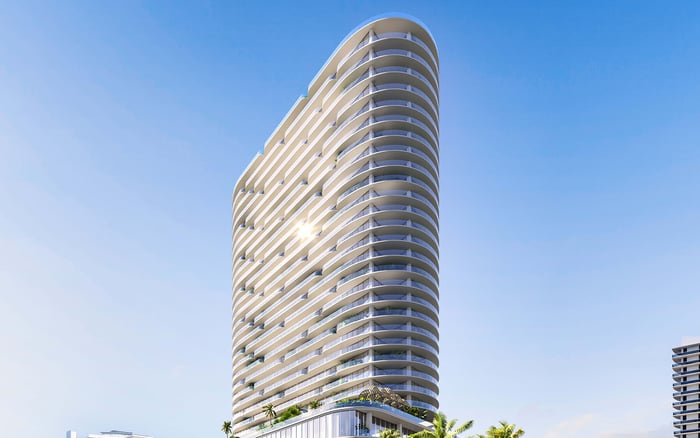
A buyer-focused guide to evaluating North Bay Village waterfront residences through floor density, circulation, access controls, sightlines and building operations.
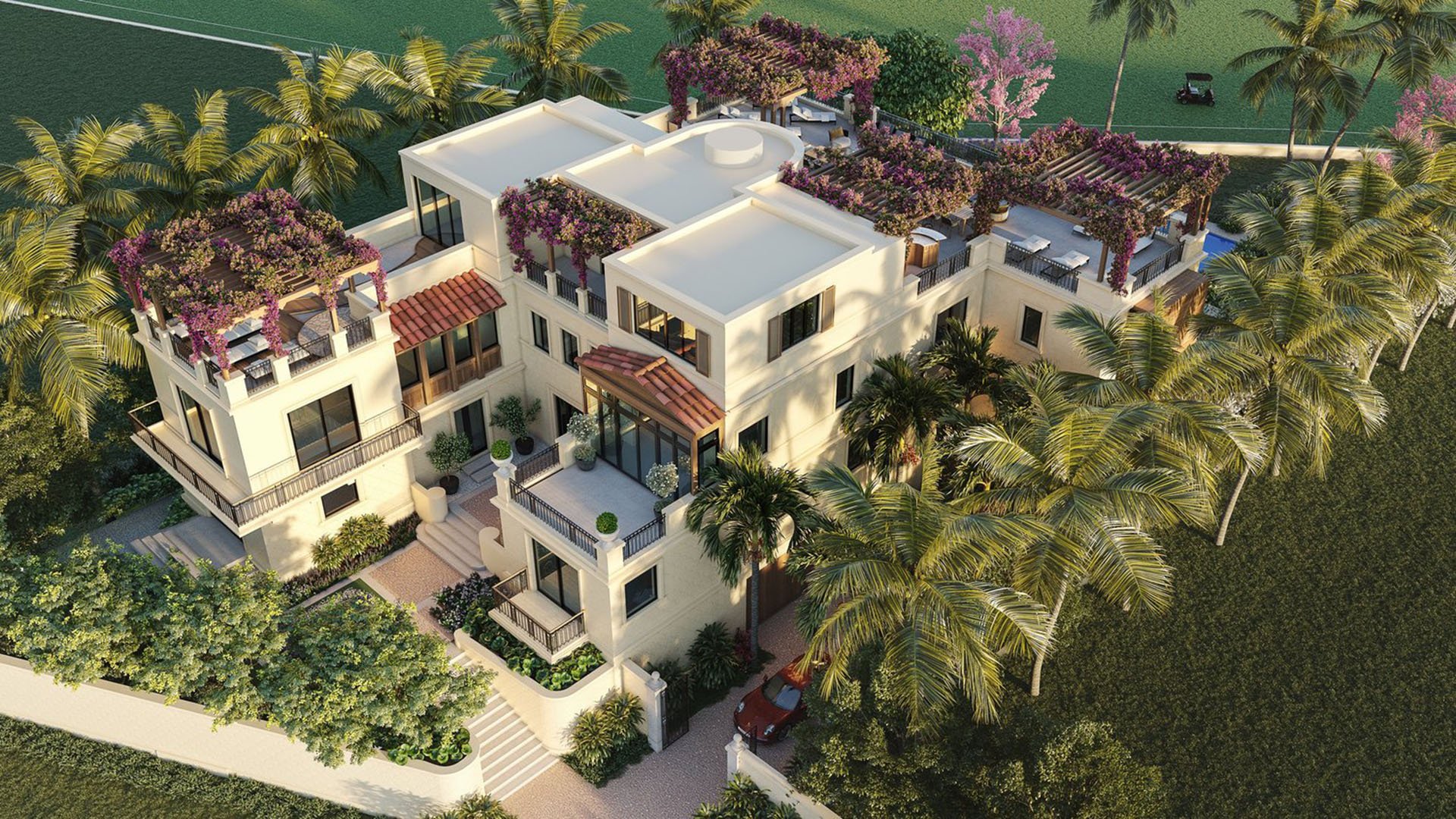
For privacy-focused buyers in North Bay Village, low-density living involves more than selecting a waterfront residence. The evaluation should consider the number of homes sharing a floor, elevator circulation, visitor access, service routes, delivery handling and the rules governing rentals and moves.
A limited residence count does not establish the daily experience on its own. Shared elevators, busy amenity areas or poorly separated service activity can affect discretion. Conversely, thoughtful circulation and consistently enforced procedures can make a meaningful difference.
The best choice is therefore the residence and building combination that aligns with the buyer’s priorities, schedule and tolerance for shared activity.
Begin with the floor plan and stack plan. Determine how many front doors share the landing, whether elevators serve multiple residential levels and how residents move between parking, amenities and their homes. Request clarification whenever a plan does not clearly distinguish resident, guest and service circulation.
Next, examine the arrival sequence. A private showing should include the path from the property entrance to the residence, not only the interior. Observe where guests wait, how access is controlled and whether deliveries or contractors follow a separate process.
Inside the residence, evaluate sightlines from windows, terraces and principal rooms. A broad water view and visual privacy are separate considerations. Review potential exposure to neighboring homes, shared areas and circulation paths from the specific residence under consideration.
A neighborhood review can include Continuum Club & Residences North Bay Village. Buyers should use current project documents to assess layouts, access arrangements and operating policies rather than relying on branding or general descriptions.
Shoma Bay North Bay Village can also be included in the comparison. Request the documents needed to understand residential circulation, shared spaces and procedures affecting visitors, staff and deliveries.
The review may also include Tula Residences North Bay Village. Compare the relevant residence plan with the overall floor plan and confirm how the building’s rules would apply to the buyer’s intended use.
These links provide starting points for project-level review, not a substitute for residence-specific due diligence. Availability, specifications and policies should be confirmed before a buyer reaches a conclusion.
Follow the complete route from arrival to the residence. Note the placement of entrances, reception areas, elevators, corridors and shared amenities. Ask how access works during ordinary operations and how the building handles periods of increased guest, staff or delivery activity.
Within the home, consider window and terrace relationships, neighboring sightlines and proximity to common areas. Confirm the outlook and exposure of the exact residence rather than relying on a building-wide description.
Review governing documents and written procedures relevant to security, guests, rentals, deliveries, renovations and moves. Buyers should also determine whether the practical operation they observe is consistent with the written framework.
Finally, compare each option using the same criteria. A consistent review makes it easier to distinguish design features from operational practices and identify the residence that best supports a discreet waterfront lifestyle.
What does low-density living mean in a North Bay Village condominium? It generally refers to reduced shared residential activity, but buyers should examine floor population, circulation and operations rather than rely on a label.
Does a waterfront residence automatically provide privacy? No. Waterfront positioning does not resolve neighboring sightlines, shared access or building-management considerations.
Why does the number of homes per floor matter? It can affect activity on a residential landing, although elevator use and the placement of shared spaces also influence the experience.
What should buyers ask about elevators? Ask which floors and spaces each elevator serves, how access is controlled and whether resident and service movements are separated.
How should buyers evaluate visitor access? Review the arrival, verification and escort process, then confirm that the written policy matches the buyer’s expectations.
Why are delivery procedures relevant to privacy? Delivery routing and holding procedures can affect traffic through entrances, elevators and residential corridors.
Should rental rules be reviewed before purchasing? Yes. Buyers should read the applicable documents and understand how rental activity may affect their intended use and preferred level of discretion.
How can a buyer assess visual privacy? Study sightlines from windows and terraces, including exposure to neighboring residences, amenity areas and circulation routes.
Are project descriptions enough to compare privacy? No. Use residence plans, building plans, governing documents and an in-person review to test broad claims against the specific home.
What is the best way to shortlist comparable options for touring? Start with location fit, delivery status, and daily lifestyle priorities, then compare stacks and elevations to validate views and privacy.
To compare the best-fit options with clarity, connect with MILLION.
If branded residences are on your mind — as a home or as an allocation — we would be glad to share what we are seeing, privately.
Begin a quiet conversation