A buyer-focused comparison of Faena House, The Setai and Five Park, with practical guidance for normalizing maintenance charges and testing whether quoted HOA dues reflect fully stabilized operations.
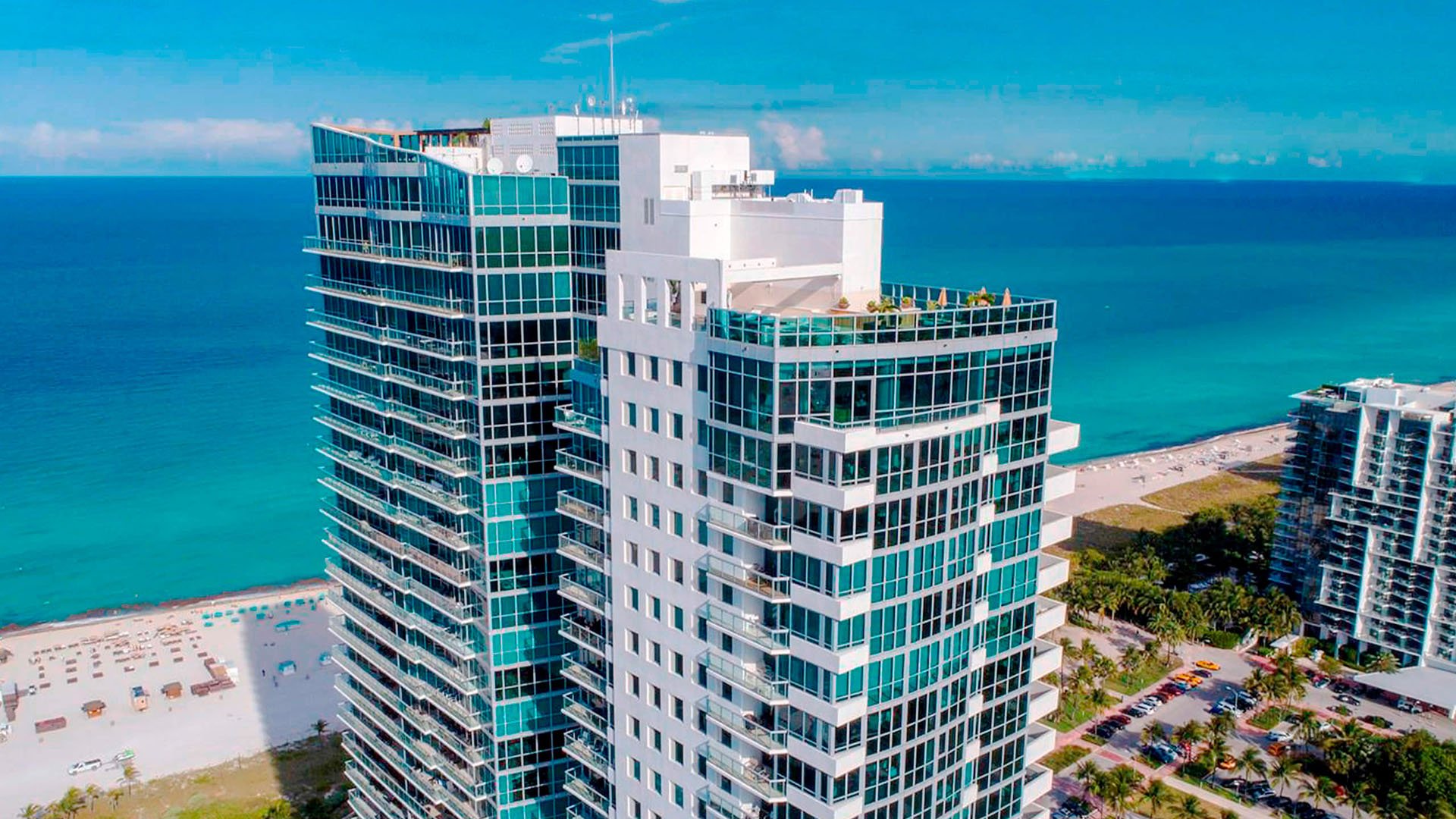
The most compelling Miami Beach residences do more than provide an exceptional address. They coordinate beach service, security, staffing, pools, wellness facilities and the discreet routines that make ownership feel effortless. The corresponding association bill should not be treated as an inconvenience detached from the experience. It is the operating price of that experience, and its durability matters as much as its current level.
Three properties create a useful spectrum. Faena House Miami Beach represents boutique oceanfront ownership connected to a broader hospitality campus. Setai Residences Miami Beach offers an established hotel-service model. Five Park Miami Beach brings a newer resort-oriented proposition near the South of Fifth gateway. Each can suit a high-service buyer, but each demands a different assessment of value and financial visibility.
The relevant question is not whether dues are high, but whether they are complete, durable and proportionate to service.
Across Miami Beach, oceanfront luxury fees commonly fall around $1.75 to $3.25 per interior square foot each month. That range reflects staffing, insurance, coastal maintenance and amenity operations. Smaller boutique properties often occupy a $2 to $3 band, while some staffing-intensive buildings can approach $3.30. These figures provide context, not a substitute for a property-specific budget.
This ranking prioritizes each residence’s relevance to a buyer balancing high service with realistic stabilized HOA costs. It is not a judgment based on the lowest monthly charge.
1. Faena House - boutique oceanfront hospitality benchmark
At 3201 Collins Avenue in Mid-Beach’s Faena District, Faena House is integrated with the neighboring hospitality campus. Its services include a private beach club, heated pools, concierge, valet, in-residence dining, 24-hour security and an attended lobby.
Its HOA is approximately $2.70 per interior square foot monthly, including access to campus amenities and adjacent hotel facilities. That places the residence above ordinary luxury-condominium ranges but within the typical boutique-luxury band. For buyers seeking extensive service with a visible project-specific fee signal, it is the clearest upper-tier benchmark in this comparison.
2. The Setai - established hotel-service efficiency benchmark
Located at 101 20th Street in South Beach, The Setai combines residences with hotel-style spa, pool, beach and hospitality operations. Maintenance is around $2.00 per interior square foot monthly.
That figure makes The Setai a comparatively efficient reference point for an established hotel-service property. The attraction is not simply a lower rate than some boutique peers. It is the opportunity to assess a mature service concept against a known maintenance benchmark while reviewing reserves, insurance and assessments independently.
3. Five Park - new high-service ownership requiring stabilization review
At 500 Alton Road near the South of Fifth gateway, Five Park offers 24-hour concierge and butler service, along with a residents-only pool bar and café. Its broader amenity program includes a gym, screening room and club spaces.
Because it is new, the decisive question is whether quoted dues reflect a fully stabilized operating budget. Buyers should test the treatment of reserves, insurance, staffing and any developer subsidy that may expire. Without that documentation, a market-wide fee range should never be presented as Five Park’s actual stabilized dues.
The cleanest initial calculation is monthly maintenance divided by interior square footage. A 3,000-square-foot residence should not be compared with a smaller home on the headline monthly bill alone. The resulting rate creates a common basis across units and buildings of different sizes.
That calculation is only the first layer. Buyers should identify every mandatory recurring charge outside base maintenance, including club obligations, parking fees and other required payments. Assessments should be isolated because they can distort the apparent monthly cost. Usage-based services, such as certain dining or personal-service expenses, belong in a separate lifestyle budget rather than being blended into HOA dues.
Broader pricing context reinforces the need for care. Standard Miami luxury-condominium fees often fall near $1 to $2 per square foot monthly. Existing luxury properties roughly 10 to 20 years old range around $1.10 to $1.40, although capital needs can alter the result materially. Historical medians for Miami Beach condominiums priced above $1 million were lower still, near $0.70 for non-waterfront homes and $0.97 for waterfront homes. Those medians are not appropriate service-level proxies for hotel-style ownership.
An adopted association budget should reveal whether recurring operations are adequately funded. The next documents to examine are the reserve study, insurance renewal, engineering reports, assessment history and any agreement describing developer support. Read them together. A polished amenity presentation cannot establish whether the current contribution level is sustainable.
Insurance deserves particular attention in a coastal building because a renewal can change the operating picture. Staffing should also be reconciled with the promised service model. If residents expect 24-hour coverage, concierge, valet, beach operations and multiple attended spaces, the budget should show the recurring labor required to deliver them.
New construction raises an additional question: Does the initial budget assume an expiring subsidy or a partially occupied building? A seemingly favorable opening contribution may rise as the association assumes full operations. Conversely, an established property may offer a clearer operating history but face capital work. Neither age profile is automatically superior.
Fees below prevailing luxury norms are not always evidence of efficiency. They can also signal underfunded reserves or deferred maintenance. The sophisticated buyer looks for balance: a contribution substantial enough to preserve service and the physical asset, yet transparent enough to distinguish recurring operations from exceptional costs.
For buyers considering a broader ultra-premium field, Palazzo della Luna on Fisher Island offers a useful service comparison outside mainland Miami Beach. Its multilingual concierge and butler-serviced lounge and bar spaces demonstrate how labor-intensive residential hospitality can extend beyond the familiar oceanfront hotel model.
The comparison should remain conceptual unless equivalent budget documents are available. Service menus alone cannot establish cost efficiency. Strong buyer guidance separates the emotional appeal of an amenity from the recurring obligation required to operate it.
Faena House provides the strongest boutique high-service benchmark, with a rate that reflects its hospitality integration. The Setai offers a persuasive established comparison at a lower monthly rate per interior square foot. Five Park may appeal to buyers prioritizing a newer service environment, provided its association documents demonstrate that quoted dues anticipate full operations.
The final decision should weigh service quality, financial transparency and the building’s capacity to preserve both. The best ownership experience is not defined by the smallest HOA statement. It is defined by a credible budget that supports the lifestyle without disguising future obligations.
For a discreet conversation about Miami Beach residences and their ownership structures, connect with MILLION.
If branded residences are on your mind — as a home or as an allocation — we would be glad to share what we are seeing, privately.
Begin a quiet conversationA common benchmark is approximately $1.75 to $3.25 per interior square foot monthly, reflecting staffing, insurance, amenities and coastal maintenance.
Divide monthly maintenance by interior square footage, then compare all properties using the same measurement basis.
Faena House has a reported HOA of approximately $2.70 per interior square foot monthly, including access to campus and adjacent hotel amenities.
The Setai’s maintenance is cited at around $2.00 per interior square foot monthly, making it a useful established hotel-service benchmark.
No project-specific stabilized figure is established here. Buyers should rely on the association budget and supporting documents rather than broad market estimates.
Early dues may not reflect full staffing, insurance, reserves or the expiration of a developer subsidy. Stabilized operations can therefore produce a different cost.
Review the adopted budget, reserve study, insurance renewal, engineering reports, assessment history and developer subsidy terms.
Assessments should be identified separately from recurring maintenance so buyers can distinguish ongoing operations from exceptional capital obligations.
Yes. Fees below prevailing luxury norms can indicate underfunded reserves or deferred maintenance rather than operating efficiency.
It offers a Fisher Island service-level counterpoint through multilingual concierge and butler-serviced social spaces, although its costs require separate documentation.