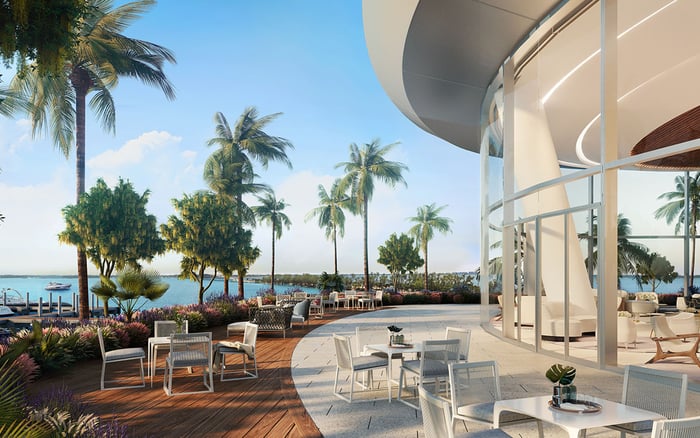
A buyer-focused guide to South Florida luxury condos with marina access, from slip due diligence and waterview value to privacy, service, and long-term ownership considerations.
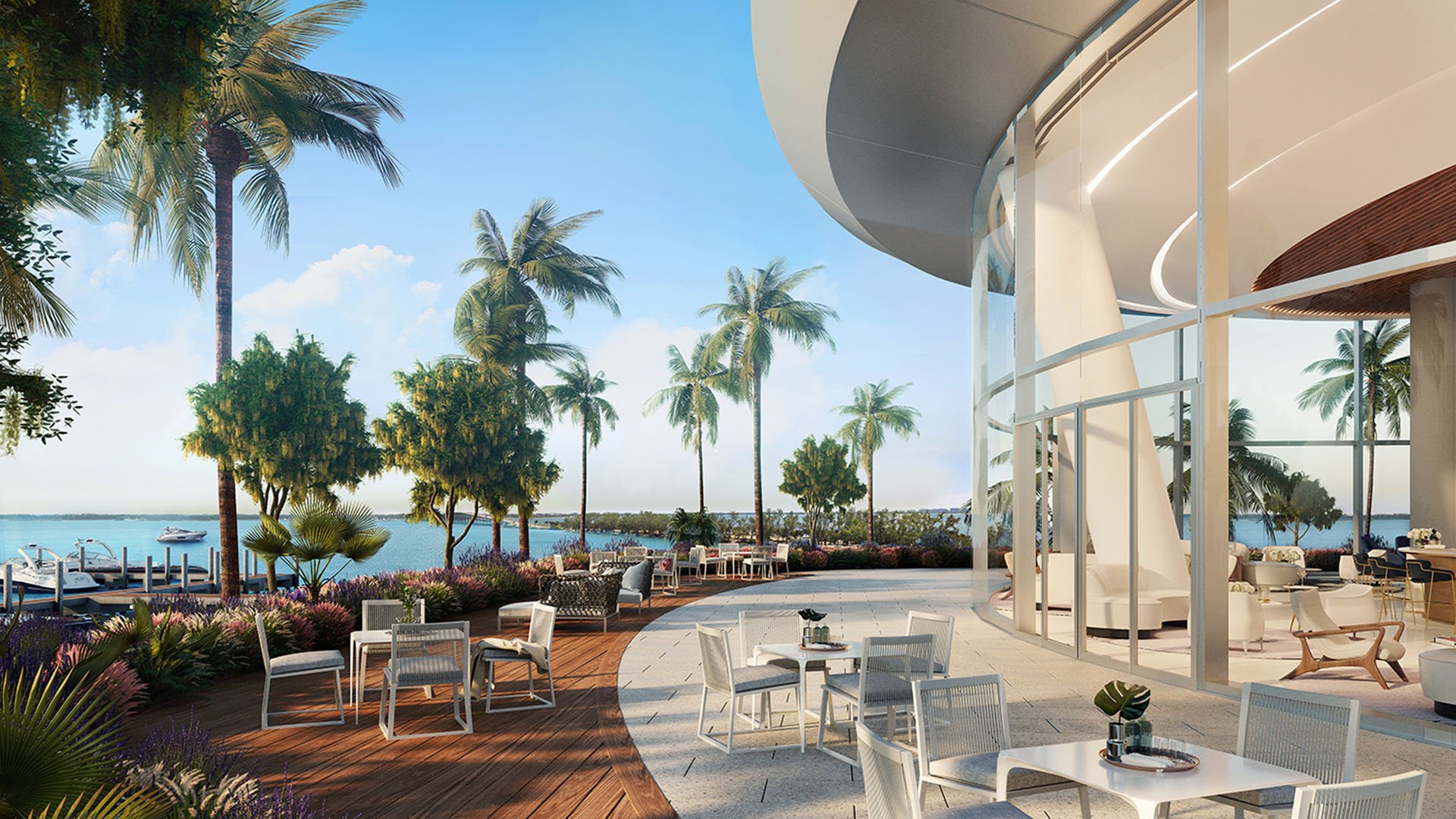
For a certain South Florida buyer, the most coveted condominium amenity is not simply a pool deck, private dining room, or wellness suite. It is the ability to move from residence to water with minimal friction. The best luxury condos with marina access are judged by a different standard: how elegantly they connect daily life to the boat, the bay, the inlet, or the Intracoastal.
This is not only about romance. A marina-oriented residence can simplify weekends, extend entertaining space, and give owners a more seamless relationship with the coast. It can also introduce a layer of diligence that ordinary waterfront purchases do not require. Slip rights, vessel restrictions, association rules, insurance considerations, and service access all matter. In the ultra-premium segment, the difference between a beautiful waterfront building and a truly useful marina residence often becomes clear only after the right questions are asked.
A strong marina-access condominium begins with convenience. The path from lobby to vessel should feel considered, secure, and discreet. Owners should understand whether access is private, shared, managed by the condominium, connected to a club, or operated through a neighboring marina. Each structure creates a different ownership experience.
The best buildings also balance waterfront utility with residential calm. A marina may bring movement, staff, deliveries, and guest activity. In a well-planned luxury setting, those operational elements are separated from the residential arrival, pool, spa, and private amenity areas. Buyers should look for a building where boating activity enhances the lifestyle without compromising serenity.
Finally, the marina component should be legible. Before falling in love with the view, buyers should know what, if anything, is actually conveyed with the residence. Some opportunities involve deeded or assigned slips. Others rely on separate agreements, waitlists, club memberships, or third-party availability. The distinction can shape both lifestyle and value.
Boat-slip details are often where enthusiasm meets fine print. A slip may be transferable, limited, rentable, revocable, separately taxed, or subject to association approval. Size restrictions can affect beam, length, height, draft, and vessel type. Some marinas may limit liveaboard use, commercial use, guest access, fueling, maintenance, or storage.
For serious buyers, the slip should be evaluated with the same discipline as the residence. Confirm what is owned, what is licensed, what is assigned, and what can be sold later. Review the governing documents before assuming that a larger boat, tender, lift, or personal watercraft will be permitted. The most elegant waterfront purchase is one in which the boating rights are as clear as the floor plan.
Depth and approach also matter. A magnificent slip that is difficult to use, tide-dependent, or poorly suited to the owner’s vessel can become frustrating. Buyers should consider navigation, bridges, no-wake zones, security gates, dockside power, water, lighting, and proximity to service providers. Luxury, in this category, is not only what is visible from the terrace. It is the absence of avoidable inconvenience.
Not every waterview is equal. Some residences look over open water, while others frame a marina basin, a protected canal, or a layered urban shoreline. For many owners, a marina view has a particular appeal because it brings movement and scale. Boats arrive and depart, water reflects light differently throughout the day, and the residence feels connected to a working coastal rhythm.
Still, buyers should study sightlines carefully. A high floor may offer broader water exposure, while a lower residence may feel closer to the marina and more connected to the vessel. A deep balcony can change how often the view is actually enjoyed. Corner residences may offer a more dimensional relationship with water, sky, and city.
Privacy is equally important. Marina-facing homes can be wonderfully atmospheric, but they may also look onto docks, walkways, or neighboring vessels. The best choice depends on how an owner lives. Some buyers want the theater of boating activity. Others want a more removed, cinematic view with less direct exposure. Neither is inherently superior; the value lies in matching the view to the owner’s temperament.
South Florida offers several distinct versions of the marina-access lifestyle. In urban settings such as Brickell, the appeal is proximity to dining, offices, culture, and the waterfront. A buyer in this profile may value the ability to keep boating within reach while remaining fully embedded in the city. The residence becomes both a private retreat and a launch point.
In more resort-oriented coastal enclaves, the calculation changes. Buyers may place greater emphasis on beach access, low-density surroundings, privacy, and the ease of moving from pool to dock to ocean. In boating-forward areas along the Intracoastal, the practical questions can become even more central: route to inlet, dock management, slip dimensions, and marina services.
There is also a meaningful distinction between oceanfront living and marina-oriented living. Oceanfront residences may deliver sweeping views and direct beach energy, while marina access offers a more operational relationship with the water. Some buyers want both. Others prefer the calmer, protected feel of a bay or Intracoastal setting, where the water reads as a daily utility rather than only a panorama.
The best luxury condos with marina access still need to perform as exceptional residences. A strong waterfront program should be complemented by arrival privacy, attentive staff, secure parking, wellness amenities, storage, guest suites or hospitality services where available, and refined outdoor spaces. The dock may be the differentiator, but the building must stand on its own.
For boating households, practical amenities can be just as valuable as glamorous ones. Consider gear storage, service elevators, package handling, provisions delivery, valet coordination, security protocols, and the distance from residence to slip. If owners frequently host aboard, guest arrival and parking become part of the experience. If the vessel is used spontaneously, the building should support that ease.
Interior planning also deserves attention. Waterfront living benefits from durable finishes, generous thresholds between indoor and outdoor space, and terraces that function as rooms rather than ledges. A well-scaled balcony or terrace can become the place where the owner reads the weather, watches the marina, and decides whether the day belongs on land or water.
Marina access can be rare, but rarity alone is not a strategy. Long-term value depends on legal clarity, building quality, location strength, operational discipline, and the usefulness of the boating component. A buyer should be careful with any offering where the marina access feels aspirational rather than defined.
The strongest opportunities tend to share a few traits: a clear relationship between residence and water, rules that align with the buyer’s vessel, an association or operator capable of maintaining the marine environment, and a location that remains desirable even for a future buyer who may not own a boat. This last point matters. The residence should not depend entirely on the dock for its appeal.
Resale audiences can be narrow when the boating component is complex. They can also be deeply motivated when the package is rare and well documented. For that reason, buyers should preserve records, agreements, approvals, and marina-related correspondence. In the luxury market, certainty is often part of the premium.
Begin with the water. What type of marina access is included, if any? What vessel dimensions are allowed? Is there a waiting list? Are there separate fees, assessments, insurance requirements, club dues, or operating rules? Can the right be transferred on resale? Can it be leased if unused?
Then study the building. Is the residential experience insulated from marina traffic? Are service routes discreet? Is security appropriate without feeling intrusive? Are dock areas well lit and maintained? Does the association have a practical framework for weather events and marine operations?
Finally, assess the fit. A marina-access condo should make ownership feel easier, not more complicated. The best residence is the one where the view, slip, staff, location, and daily routine align with the way the buyer actually lives.
What makes a luxury condo with marina access different from a waterfront condo? A waterfront condo may offer views only, while marina access can involve practical boat use, dock privileges, or proximity to slips.
Is a boat-slip always included with a marina-access condo? No. A boat-slip may be deeded, assigned, licensed, leased, waitlisted, or handled separately from the residence.
Should buyers review marina rules before making an offer? Yes. Vessel size, use restrictions, transfer rights, and fees can materially affect the ownership experience.
Does marina access always increase value? It can enhance desirability when the access is clear, useful, and well managed, but the residence must also stand independently.
Are marina-facing views more private than ocean views? Not necessarily. Marina views can be dynamic, but buyers should study sightlines to docks, walkways, and neighboring vessels.
Why does water depth matter? Depth can determine whether a vessel can comfortably and safely use a slip in varying conditions.
Is Brickell a practical area for marina-oriented buyers? Brickell can appeal to buyers who want city convenience with waterfront proximity, depending on the specific building and access.
What building amenities are most useful for boat owners? Secure access, valet coordination, storage, service routes, and staff responsiveness can matter as much as resort-style amenities.
Can marina rights be sold with the condo later? Sometimes, but transferability depends on the governing documents and the structure of the slip or marina arrangement.
What should buyers prioritize first: the residence or the dock? Both matter. The best purchase combines a compelling home with boating rights that are clear, usable, and aligned with the owner’s vessel.
When you're ready to tour or underwrite the options, connect with MILLION.
If branded residences are on your mind — as a home or as an allocation — we would be glad to share what we are seeing, privately.
Begin a quiet conversation