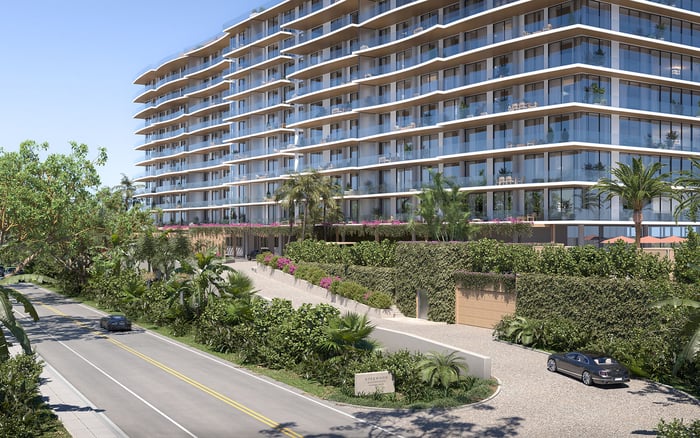
Evaluating resale liquidity in Edgewater requires residence-level analysis. Buyers should compare layout utility, floor, orientation, view quality, condition, building finances, ownership costs, and the depth of relevant comparable sales before selecting a unit.
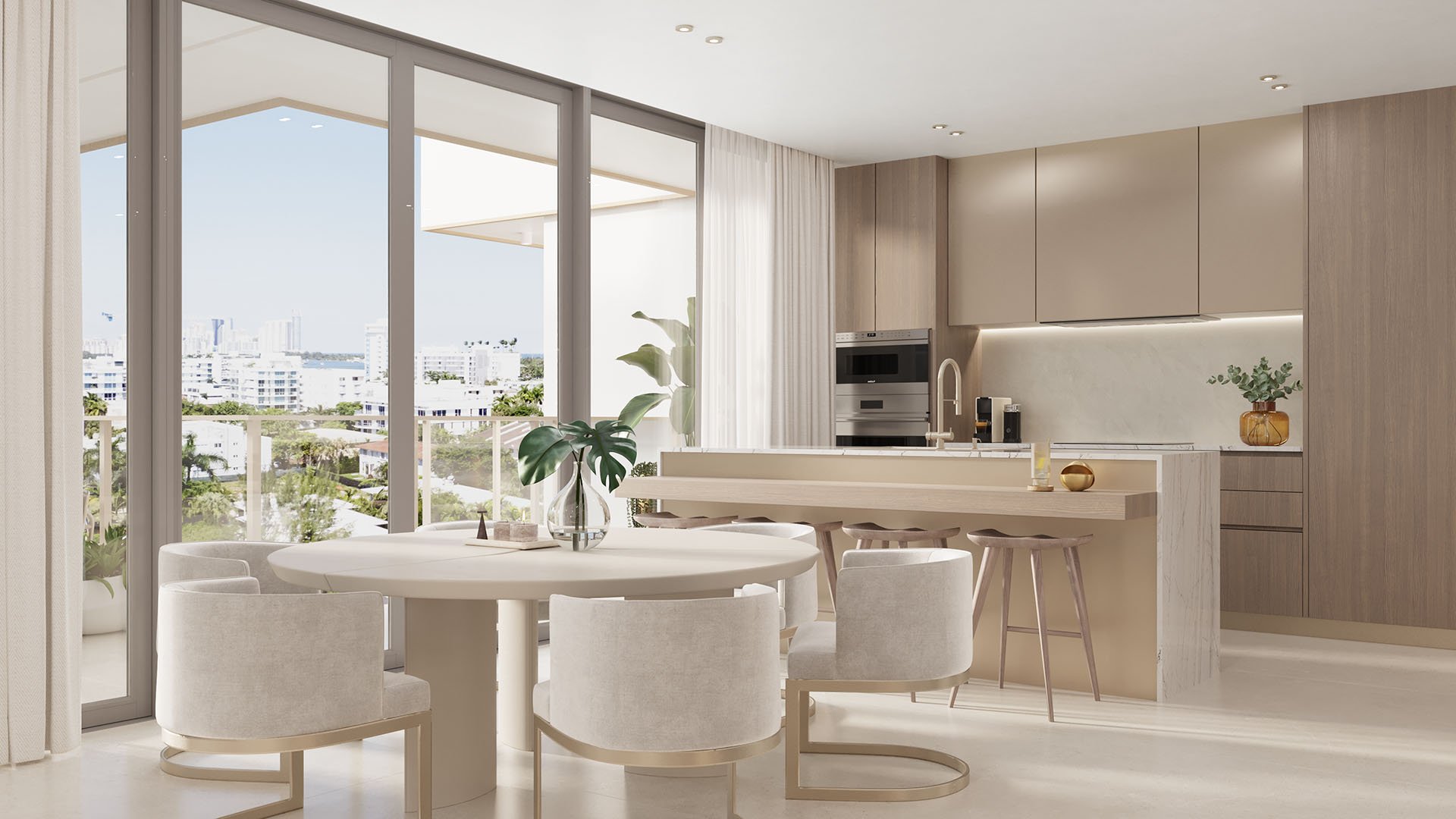
Edgewater offers condominium buyers a range of layouts, elevations, orientations, and design approaches near Biscayne Bay. Those choices can create materially different resale propositions within the same tower. A recognizable building may attract initial attention, but the individual residence determines how clearly future buyers can understand and compare the offering.
A liquidity review should begin with practical questions. Is the layout efficient? Does the bedroom count suit the usable interior? Is the balcony proportionate to the living space? Are the principal rooms positioned to benefit from the view? A home that functions naturally may be easier for prospective purchasers to evaluate than one shaped around highly personal alterations.
The strongest resale case pairs broad usability with a distinctive, defensible quality.
Liquidity is not guaranteed by any single feature. Floor, orientation, exposure, condition, monthly ownership costs, assessments, reserves, insurance considerations, rental rules, and nearby development should be considered together. Buyers should also distinguish between an attractive asking price and a value supported by relevant closed sales.
Efficient one-bedroom residences
A well-planned one-bedroom can offer a straightforward resale story when its living areas, storage, kitchen, and outdoor space feel balanced. Buyers should compare it with similar units in the same building rather than relying on neighborhood-wide averages. If several matching residences are available, condition and pricing discipline may become especially important.
Compact two-bedroom residences
A smaller two-bedroom can provide flexibility for guests, remote work, or full-time living without the scale of a larger family residence. The second bedroom should be genuinely usable, and circulation should not consume an excessive share of the interior. Buyers should examine whether the plan feels coherent rather than focusing only on the stated bedroom count.
Upper-floor residences with direct bay exposure
Elevation and open water views can help differentiate a home, but buyers should evaluate the exact stack. Adjacent lines may have different sightlines, and the experience can change from one floor to another. The relevant question is not simply whether a residence faces east, but how much of the outlook is visible from the primary living spaces and bedrooms.
Larger direct-water residences
Three-bedroom and larger homes may appeal to purchasers seeking privacy, generous entertaining areas, or a full-time Miami base. Their resale analysis should account for the likely audience, the efficiency of the floor plan, and the availability of comparable transactions. A larger home can be compelling without automatically being the most liquid option.
Customized penthouses
Penthouses and heavily customized residences require a more specialized review. Bespoke finishes may be valuable to a buyer who shares the same preferences, yet unusual configurations can make direct comparisons difficult. The acquisition case should separate the value of irreplaceable features from the cost of personalization.
A general water-view label does not capture the quality of an outlook. Buyers should inspect the panorama from seated and standing positions, at different points within the home, and from each significant room. They should distinguish a broad bay exposure from a partial glimpse and consider whether structural elements interrupt the view.
Durability matters as much as present appeal. Nearby parcels, allowable development, and active construction may affect privacy, light, noise, or future sightlines. Appropriate professional due diligence can help a buyer understand these issues without assuming that a current view will remain unchanged.
The same residence-level discipline applies when comparing Aria Reserve Miami with EDITION Edgewater. A project identity can frame expectations, but buyers still need to review the specific floor plan, stack, exposure, finish package, and ownership obligations.
Resale liquidity also depends on the financial and operational context surrounding a residence. Buyers should review available association records, budgets, reserves, assessments, insurance information, maintenance responsibilities, and applicable leasing provisions with qualified advisers. These items can influence both ongoing costs and a future purchaser's ability to proceed.
The number and condition of competing listings within a building deserve attention. Multiple similar units can make comparison easier, but they can also give buyers more negotiating options. A renovated residence should be evaluated against the quality and relevance of the work rather than assuming every upgrade produces an equivalent return.
For residences at The Cove Residences Edgewater or Villa Miami, the framework remains consistent: assess plan efficiency, stack characteristics, view quality, carrying costs, and the evidence available from genuinely comparable homes.
Closed transactions are generally more informative than asking prices, but only when the selected properties are sufficiently similar. A useful comparison should account for building, line, floor, orientation, interior condition, outdoor area, parking, storage, and the timing and terms of the sale where those details are available.
Price per square foot can assist analysis, yet it should not replace a full comparison. Larger and smaller residences may trade differently, while terraces, ceiling heights, renovations, and view quality can complicate simple arithmetic. A polished but inferior line may not be a better resale candidate than a less decorated home with a stronger layout and outlook.
Buyers should also separate building-wide reputation from residence-specific evidence. Two homes in the same tower may present different exit prospects because one has a more intuitive plan, a quieter position, a better exposure, or fewer competing listings.
A disciplined acquisition starts by imagining the next purchaser. For an efficient residence, the future audience may value usability, manageable ownership obligations, and a clear set of comparable sales. For a larger waterfront home, privacy, entertaining space, and the quality of the bay exposure may become more important.
The best choice is not automatically the largest residence or the highest floor. It is the home whose price, utility, distinctive qualities, and building context form a coherent proposition. Before committing, buyers should verify documents, inspect the residence carefully, review relevant sales, and obtain appropriate legal, financial, and inspection advice.
For private guidance on evaluating an Edgewater residence through both a lifestyle and resale lens, connect with MILLION.
If branded residences are on your mind — as a home or as an allocation — we would be glad to share what we are seeing, privately.
Begin a quiet conversationEfficient one-bedroom and compact two-bedroom residences may suit varied uses. Buyers should still test demand against relevant sales and current competing inventory.
Review room proportions, circulation, storage, outdoor space, and whether each bedroom is genuinely usable. The plan should function naturally for its intended audience.
No. Elevation should be considered alongside layout, view quality, price, ownership costs, and comparable sales.
Stacks can differ in orientation, privacy, noise, light, and view exposure. Even neighboring lines may offer distinct resale propositions.
Inspect the outlook from the main rooms and consider its breadth, obstructions, and durability. Nearby development should also be included in due diligence.
Not necessarily. Their resale prospects depend on pricing, layout quality, distinctive features, and the depth of the likely buyer audience.
Bespoke layouts and finishes can reduce the number of close comparables. Buyers should separate broadly valued features from highly personal choices.
Available budgets, reserves, assessments, insurance information, maintenance obligations, and leasing provisions should be reviewed with qualified advisers.
No. It should be considered with floor, orientation, condition, terrace space, parking, storage, and view quality.
A practical layout, defensible qualities, sensible pricing, manageable ownership obligations, and relevant comparable sales can create a clearer resale case.