A practical 2026 framework for examining the layered costs, reserves, capital planning, insurance, and governance behind a residence at The Surf Club.
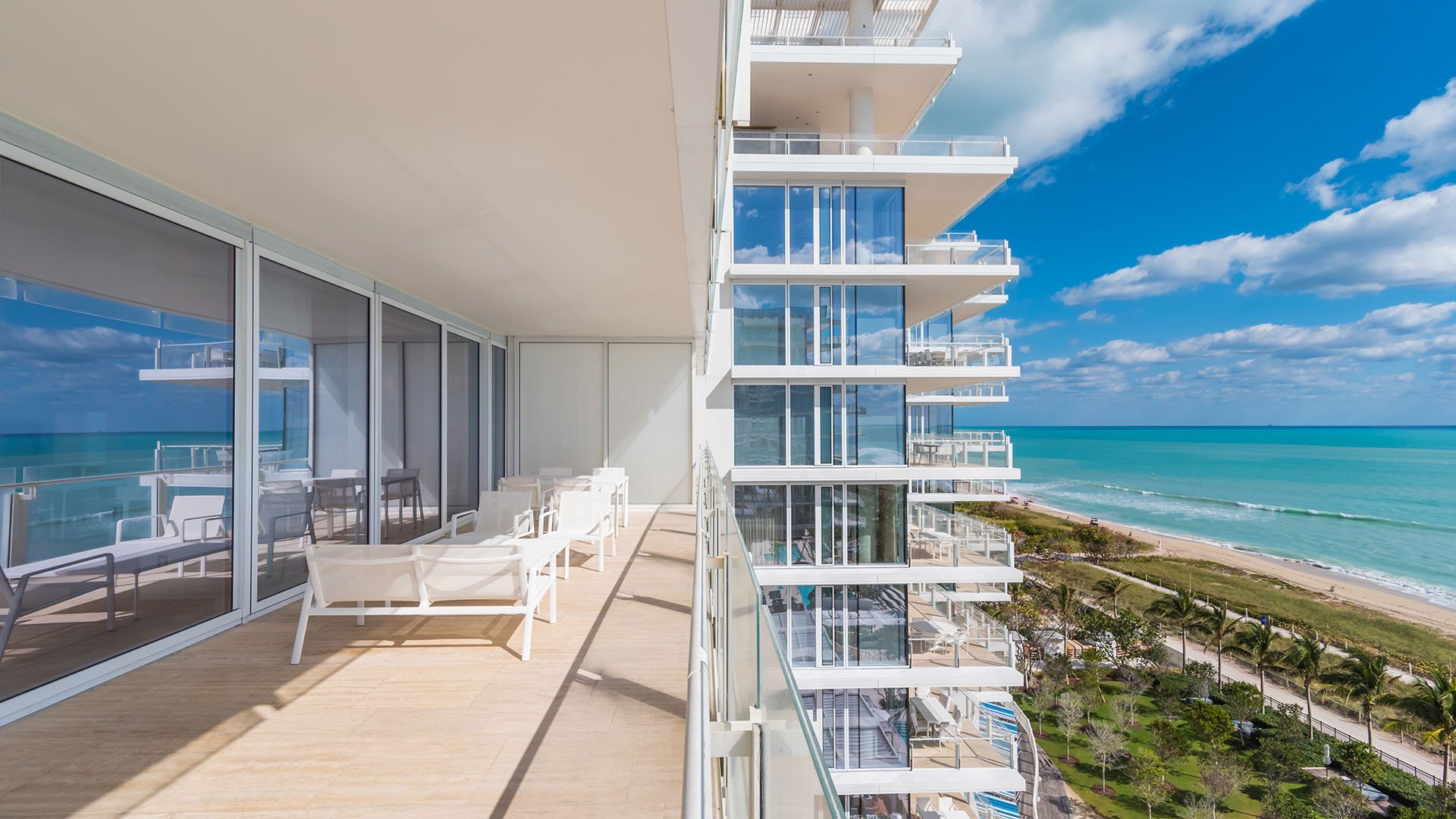
For a 2026 buyer, due diligence at The Surf Club Four Seasons Surfside begins with a structural question: What, precisely, does the residence belong to, and which entities can charge it? The oceanfront property combines a historic social club, a Four Seasons hotel, and private residences. Its homes are integrated with hospitality services rather than operated as units in a conventional stand-alone condominium.
That distinction should shape the entire review. Buyers need to identify every residential, hotel, club, master, and shared-facility entity affecting the unit. The primary condominium association’s budget may not capture every recurring obligation. Before the contractual review period ends, counsel and financial advisers should trace each applicable agreement, billing relationship, approval right, and cost-allocation mechanism.
This is what separates a polished tour from meaningful diligence. The service experience may feel seamless; the underlying financial and governance structure can be layered.
Start with the current association budget, then build a residence-specific schedule of charges. Determine whether the unit is responsible for master-association assessments, shared-facility allocations, hotel-service fees, club-related charges, or other recurring costs beyond the primary budget.
Hotel-serviced ownership may involve expenses beyond ordinary condominium utilities and maintenance. Relevant categories can include concierge, valet, security, beach and pool operations, housekeeping, engineering, and broader hospitality staffing. The essential question is not simply whether a service exists, but how its cost reaches the residence, how often it is billed, and whether the governing agreements permit the allocation formula to change.
Request a reconciliation between budgeted charges and the amounts actually billed to the unit. Review what is included, optional, usage-based, or adjustable through governance procedures. A clear annual carrying-cost model should distinguish predictable operating expenses from variable services and potential capital demands.
Buyers comparing branded residences may also examine Four Seasons Hotel & Private Residences Fort Lauderdale, but each property’s documents must stand on their own. Brand affiliation is no substitute for unit-level financial analysis.
Newer design should never be treated as evidence that future capital costs will be negligible. At The Surf Club, modern glass architecture, extensive amenities, and direct coastal exposure make lifecycle assumptions especially important.
Review reserve schedules and capital plans for façade systems, glazing, waterproofing, landscaping, and outdoor amenities. The analysis should connect each major component to its anticipated maintenance cycle, projected funding source, and responsible entity. If a shared facility serves residences, hotel guests, and club users, determine which entity maintains it and how residential owners participate in the cost.
Oceanfront ownership rewards a longer view. A reserve balance in isolation says little without the assumptions behind it. Buyers should examine whether planned contributions align with the property’s physical systems and whether significant work is expected to be funded through regular assessments, separate charges, or another mechanism identified in the governing documents.
Within Surfside, buyers may compare this structure with other ownership formats at Arte Surfside or Fendi Château Residences Surfside. The comparison is useful only when budgets, included services, reserve responsibilities, and allocation methods are normalized rather than reduced to a single monthly figure.
Insurance belongs in the same conversation as reserves and operating budgets. Request the policies, summaries, deductibles, allocation provisions, and any related owner obligations available for review. Then determine which entity insures each relevant component and whether costs arising beyond the primary condominium association could affect a residence.
Governance documents should explain who approves budgets, changes services, authorizes major projects, and adjusts shared expenses. Read the declaration, bylaws, rules, shared-facility agreements, management or service agreements, and available meeting materials as an integrated set. Focus on voting rights, notice procedures, amendment powers, board composition, and the treatment of conflicts between residential and hospitality interests.
The central issue is control. A buyer should understand not only today’s charges, but also the process by which tomorrow’s charges and service standards can change. This is particularly important where residential operations intersect with hotel and club functions.
A disciplined closing file should include the current budget, recent financial statements, reserve materials, insurance information, assessment history, governing documents, relevant agreements, and available meeting records. The objective is to reconcile legal obligations, financial projections, and the physical capital plan within a single ownership model.
It is useful to distinguish a condo-hotel structure from any other form of integrated hospitality ownership only after reviewing the actual documents. Labels can simplify marketing, but they do not establish the obligations attached to a particular residence.
The final decision should answer four questions: What does the owner pay now? Which entity receives each payment? What capital exposure could emerge over the intended holding period? Who has the authority to alter the arrangement? At this level of the market, discretion is enhanced by clarity.
Why is due diligence at The Surf Club more layered than at a stand-alone condominium? The property combines residences with a Four Seasons hotel and a historic club, so multiple entities and shared facilities may affect ownership costs.
Does the primary association budget show every recurring charge? Buyers should not assume that it does. Separate master, shared-facility, hotel-service, or club-related charges may apply.
Which service costs deserve close review? Examine potential charges for concierge, valet, security, housekeeping, engineering, and beach and pool operations.
What should a buyer ask about allocation formulas? Determine how residential and hospitality expenses are divided and whether the governing agreements allow those formulas to change.
Why do reserves matter in a modern building? Modern glazing, waterproofing, façades, landscaping, and extensive amenities still require lifecycle planning and funding.
How should a buyer evaluate the reserve balance? Review it alongside component assumptions, contribution schedules, anticipated projects, and the entity responsible for each asset.
What governance rights should be examined? Focus on voting, notices, amendments, board authority, budget approval, service changes, and major-project decisions.
How should insurance enter the review? Identify the policies, deductibles, covered components, responsible entities, and any costs that can reach residential owners.
Is brand prestige evidence of financial strength? No. Service quality and reputation do not replace a review of budgets, reserves, insurance, capital plans, and governance documents.
What is the most useful final diligence test? Confirm current costs, payment recipients, potential capital exposure, and who can change charges or service obligations.
For a confidential assessment and a building-by-building shortlist, connect with MILLION.
If branded residences are on your mind — as a home or as an allocation — we would be glad to share what we are seeing, privately.
Begin a quiet conversation