A buyer-focused guide to comparing Boca Raton residences for private dining, guest capacity, service, privacy, and practical entertaining requirements.
For Boca Raton buyers who entertain regularly, the relevant question is not simply whether a residence or amenity plan looks impressive. It is whether the property can support the buyer’s preferred style of hosting with suitable space, privacy, service, and operating rules.
A formal dinner, a cocktail reception, and an informal family gathering create different requirements. Buyers should begin by defining their typical guest list, preferred level of service, and need for separation between private residential areas and shared social spaces.
The comparison should also account for frequency. A household that hosts several carefully planned dinners may prioritize a reservable dining room and culinary support, while an owner who entertains more spontaneously may care more about flexible lounges, terraces, or comfortable in-residence living areas.
A focused local search can begin with The Residences at Mandarin Oriental Boca Raton and Mr. C Residences Boca Raton. Buyers comparing branded and service-oriented ownership with the wider Boca Raton condominium market can also review Alina Residences Boca Raton and Glass House Boca Raton.
These properties should be treated as a starting point for direct due diligence rather than ranked solely from marketing language. Current amenity plans, access rules, service arrangements, and availability should be confirmed for each property before a buyer draws conclusions about entertaining capacity.
A useful private-dining venue begins with a clearly documented capacity. Buyers should ask whether the stated number refers to seated dining, standing attendance, or the maximum occupancy permitted under building rules. A room that works for a reception may not provide the layout or service flow needed for a formal meal.
The kitchen arrangement is equally important. Confirm whether the venue has a full preparation kitchen, a warming kitchen, or a presentation area, and determine what cooking or finishing can occur on-site. Buyers should also ask whether outside caterers are permitted, whether an approved vendor list applies, and who is responsible for setup and cleanup.
Privacy requires specific attention. A dining venue may be resident-only, reservable for exclusive use, or positioned near other shared amenities. The distinction affects noise, guest movement, security procedures, and the overall character of an event.
A well-designed room does not by itself produce a seamless dinner. Staffing, menu coordination, table setup, beverage service, and post-event cleaning can determine how much work remains with the host.
Buyers seeking hospitality support should request a clear description of available services and associated charges. They should also determine whether staffing must be arranged through the property, whether outside professionals are allowed, and how service requests interact with reservation lead times.
The same scrutiny applies to restaurants, bars, and lounges associated with a residence. Buyers should establish whether a venue is part of the residential amenity program, a separate commercial operation, or subject to distinct booking and guest policies. No assumption about access should replace written confirmation.
A dedicated dining room generally suits a controlled guest list and a meal organized around the host. A restaurant may reduce operational demands but can offer less control over privacy, seating, and timing. A lounge or rooftop setting can work well for conversation and drinks, although it may not function like a private dining room.
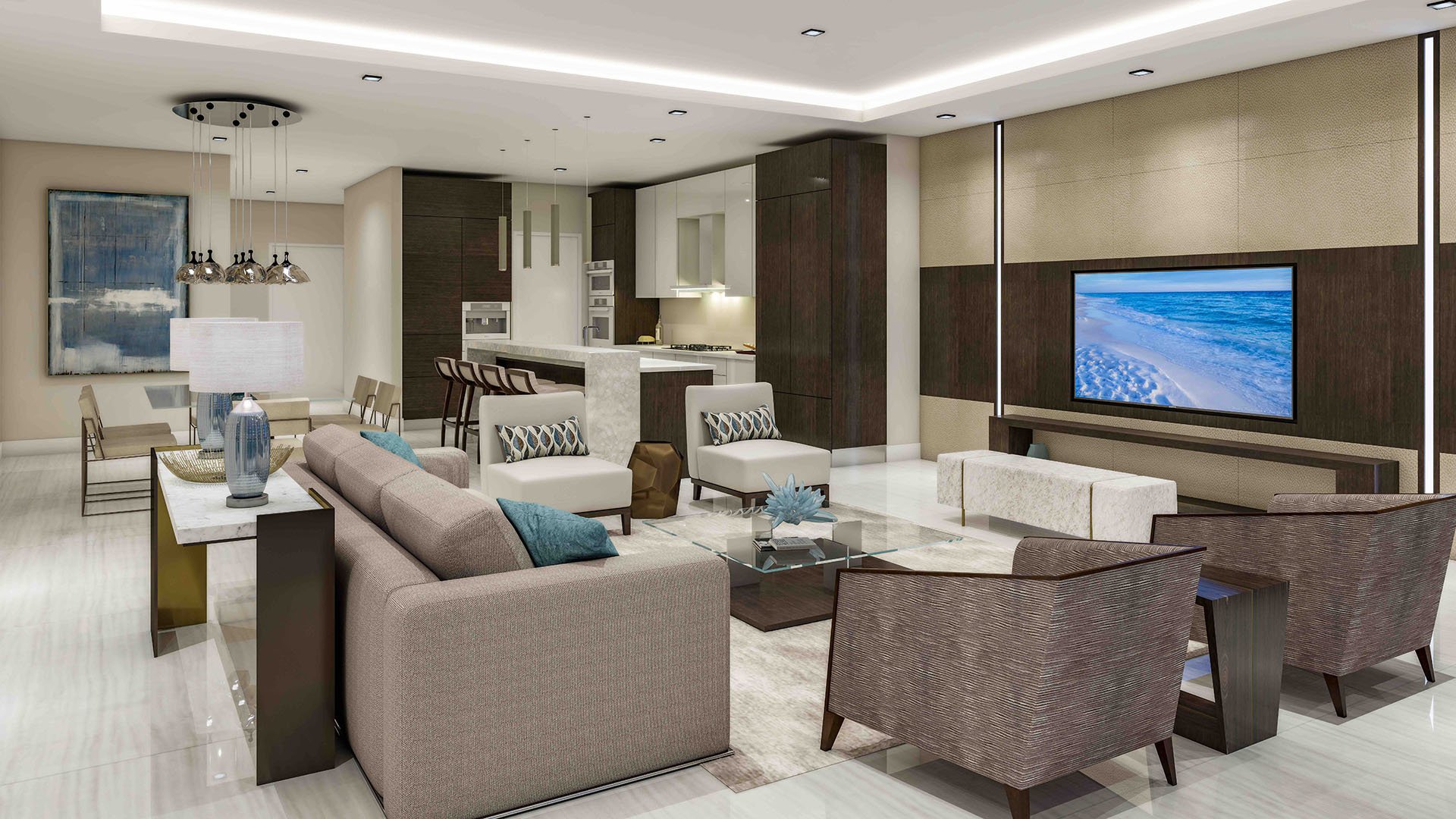
In-residence entertaining remains another important part of the analysis. Buyers should study the relationship among the kitchen, dining area, living room, terrace, and guest circulation. Storage, acoustics, serving routes, powder-room access, and the separation of private bedrooms can affect how comfortably a home handles company.
The best choice is therefore use-specific. A buyer should favor the property whose documented spaces and rules match the events that household is most likely to host, rather than the property with the longest general amenity list.
Request the latest plans and written operating information for every entertaining space under consideration. Confirm seated and standing capacities, reservation windows, time limits, deposits, cancellation terms, staffing requirements, food and beverage restrictions, guest registration procedures, and cleaning responsibilities.
Ask how frequently a space may be reserved and whether blackout dates or quiet hours apply. Determine whether residents can reserve it exclusively, whether concurrent events are possible, and how deliveries, caterers, and event staff enter the property.
Buyers should also review how the residence itself performs when shared amenities are unavailable. A practical floor plan can provide valuable flexibility when a common room is booked, temporarily closed, or simply unnecessary for a smaller gathering.
Create a consistent checklist and apply it to every Boca Raton property. Separate confirmed information from proposed features, sales representations, and assumptions. If private dining is central to the purchase decision, request that material details be clarified through the appropriate transaction documents and professional advisers.
No residence should be selected for entertaining capacity without current verification. The strongest fit will be the one that aligns space, service, privacy, and operating rules with the buyer’s actual hosting habits.
What should buyers prioritize in a private-dining space? Focus on documented capacity, room layout, kitchen facilities, privacy, service options, and reservation rules.
Why does seated capacity need separate confirmation? A venue’s maximum occupancy may not reflect how many guests can be accommodated for a seated meal.
Should buyers assume culinary staff are included? No. Available staffing, required providers, scope of service, and charges should all be verified directly.
Which reservation details matter most? Confirm booking windows, time limits, deposits, cancellation terms, blackout dates, and limits on reservation frequency.
How should catering policies be reviewed? Ask whether outside caterers are permitted, whether approved vendors are required, and what preparation can occur on-site.
What does exclusive use mean for entertaining? Buyers should determine whether a reserved venue is fully private or remains connected to other active shared spaces.
Can a restaurant replace a private dining room? A restaurant may simplify service, but it can differ in privacy, booking control, guest policies, and event flexibility.
Why evaluate the residence’s own floor plan? The home may need to support smaller gatherings when a shared venue is unavailable or unnecessary.
Which Boca Raton projects can serve as comparison points? The four linked residences in this guide provide a focused starting set for project-specific due diligence.
What is the safest way to compare entertaining amenities? Use current plans and written policies, then verify important details with the property and appropriate professional advisers.
For a confidential assessment and a building-by-building shortlist, connect with MILLION.
If branded residences are on your mind — as a home or as an allocation — we would be glad to share what we are seeing, privately.
Begin a quiet conversation