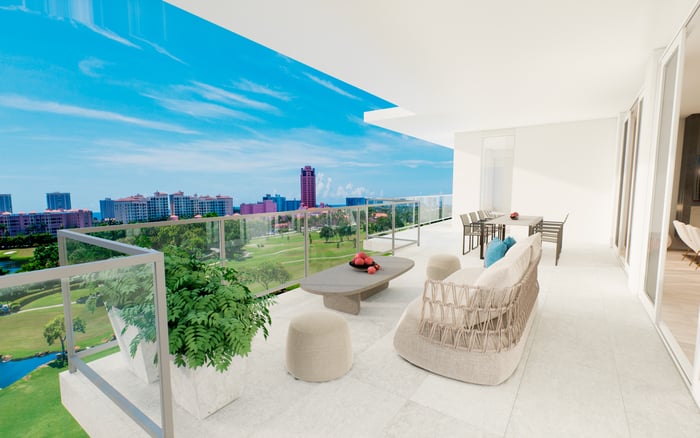
A disciplined framework for evaluating the operational realities behind wellness amenities, leasing flexibility, indoor air, potable water, emergency readiness and storm continuity in a Boca Raton waterfront residence.
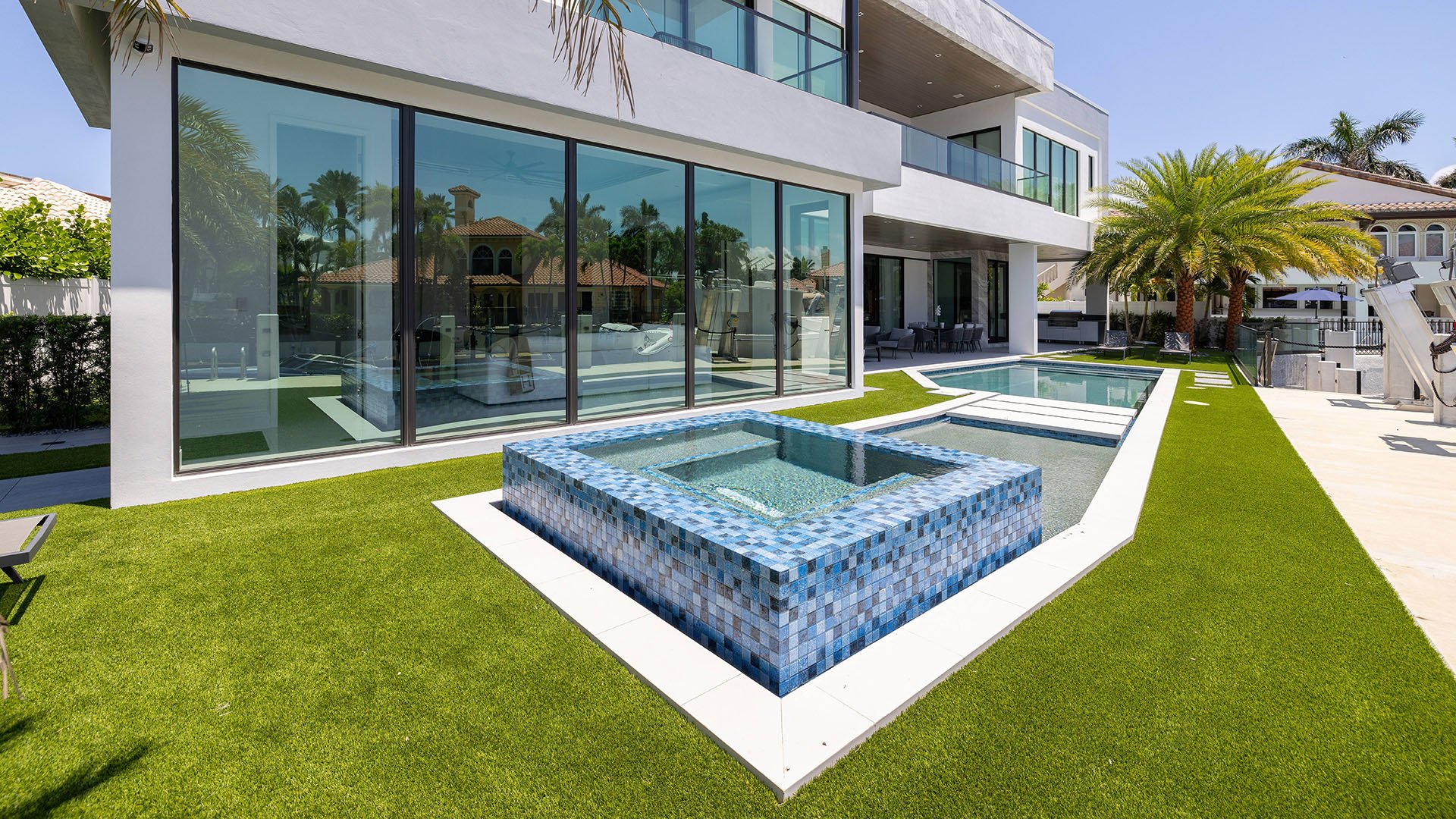
A Boca Raton residence can unite water views, boating access and private-club comforts in a compelling daily rhythm. Yet consequential operating details may be absent from the presentation gallery. A tranquility pool is not the same as dependable recovery capacity. A concierge is not a medical-response plan. An elegant kitchen tap reveals little about filtration, while a general leasing summary may not reflect zoning or association restrictions.
The sophisticated buyer evaluates a waterfront property as an operating environment. That means examining five distinct systems: wellness access, booking rules, indoor air, water quality and medical readiness. For a primary home, these factors may shape daily comfort more than the number of amenities. For an investment residence, they can help determine whether the intended occupancy and leasing strategy is workable.
The true luxury is not the amenity list, but confidence in how the residence operates.
Begin by requesting the current operations manual. Review opening hours, reservation windows, cancellation policies, charges, guest limits and whether residents may bring private trainers, massage therapists or other practitioners. Ask how each space is managed during peak periods. A treatment room that is difficult to reserve or controlled by a separate operator may offer less practical value than a simpler space with dependable access.
Thermal and recovery facilities require precise questions. Confirm whether a sauna, steam room or treatment suite is accessible to residents, subject to specific access rules or separately managed. For every pool and spa, request water-testing schedules, chemical-control procedures, maintenance records and available inspection history. Appearance alone does not establish controlled water quality.
When comparing Boca Raton options such as Alina Residences Boca Raton and The Residences at Mandarin Oriental Boca Raton, use the same written questionnaire for each property. A consistent approach makes it easier to distinguish an extensive amenity program from one that is genuinely usable.
Do not treat one approval as universal permission. Zoning requirements, other applicable regulations and condominium or HOA documents are separate workstreams. Association rules may address minimum lease terms, annual lease limits, approval procedures and guest-registration requirements. Obtain current confirmation and a complete review for the exact residence before relying on a proposed leasing strategy.
Ask for the governing documents, current amendments and any written leasing procedures. Verbal summaries should not replace unit-specific due diligence, particularly when the intended use involves recurring rentals, guests or extended absences.
Wellness language should lead to engineering documents. Request fresh-air information, HVAC zoning diagrams, filter ratings, outdoor-air-system details and available indoor-air monitoring records. Determine which components are building-wide and which belong to the residence. Ask who changes filters, how service is scheduled and whether maintenance records are available.
Waterfront exposure adds another layer. Visit at different times and under varying conditions to assess boat activity, roadway noise, nearby construction and possible exhaust exposure. At a marina property, observe loading areas, garage ventilation, service routes and the relationship between outdoor-air intakes and active driveways or docks. A serene view can coexist with intermittent conditions that a brief showing may not reveal.
Properties such as Glass House Boca Raton can be evaluated through the same technical lens. The objective is not to assume performance from positioning, but to establish how air enters, circulates and is filtered within the specific residence.
Pool and spa protocols do not answer questions about drinking water. For potable water, identify whether the building provides central filtration or softening, then determine what treatment occurs within the unit. Request available details on filtration options, plumbing materials and water-test records.
If a whole-residence system is desired, review alteration rules before closing. The same applies to a private sauna, fixed exercise equipment or permanent air-purification equipment. Installation may affect plumbing, electrical capacity, waterproofing, ventilation or structural loading, and association consent may be required. Before designing a private wellness suite, obtain written parameters for penetrations, drain connections, equipment placement, contractor insurance and working hours.
Proximity to medical care on a map is only a starting point. Drive likely routes from the residence at different times, identify access constraints and consider how bridges, gated entries, valet operations or waterfront road patterns could affect a trip. Identify both a primary medical destination and a practical alternative, then test access to each.
Within the building, verify staff training, AED locations, emergency call procedures and responder access to residences and amenity decks. Ask how security admits responders, whether elevators have emergency protocols and how an incident is handled when management offices are closed. Concierge service should not be treated as evidence of clinical readiness.
When considering Mr. C Residences Boca Raton or another serviced environment, request the emergency protocol rather than inferring capability from the service model. Medical preparedness should be assessed through documented training, equipment, access and procedures.
Storm resilience belongs in a wellness assessment because heat, elevator access and potable water can become important during an extended outage. Request the building’s evacuation procedures and a precise description of generator coverage. Determine whether backup power serves residences or only common areas, and identify which elevators, cooling systems, pumps, access controls and communications remain operational.
Ask how potable water is addressed, whether residents may remain after a storm and how management communicates changing conditions. Owners who rely on refrigerated medication, powered medical equipment or temperature-controlled interiors should obtain specific electrical and cooling answers rather than relying on a general statement that the property has a generator.
Organize the review into written categories: amenity operations, leasing permissions, HVAC, potable water, pool and spa maintenance, alteration rights, emergency response and hurricane continuity. Assign each open item to the appropriate reviewing party and require unit-specific answers wherever possible.
This process turns a beautiful residence into a legible one. The ideal outcome is not simply abundant wellness infrastructure, but predictable access, documented environmental performance, lawful use and credible readiness when ordinary routines are disrupted.
For discreet guidance in evaluating Boca Raton waterfront opportunities, connect with MILLION.
If branded residences are on your mind — as a home or as an allocation — we would be glad to share what we are seeing, privately.
Begin a quiet conversationIt can clarify hours, reservation procedures, fees, guest limits and access rules for private trainers or therapists.
No. Practical access depends on capacity, operating hours, booking policies and how each space is managed.
Review current zoning requirements, applicable regulations and the association’s governing documents for the exact residence.
Yes. They are separate workstreams and should each receive a current, property-specific review.
Request HVAC zoning, filter information, outdoor-air-system details, monitoring records and available maintenance history.
Visit at different times to observe boat activity, roadway traffic, construction, noise and possible exhaust exposure.
Confirm any building-level treatment, unit-level filtration options, plumbing materials and available water-test records.
Possibly, but association alteration rules may regulate plumbing, electrical work, ventilation, structural loading and contractor access.
Review staff training, AED locations, emergency procedures, elevator protocols and responder access to residences and amenities.
Determine whether generation serves residences or only common areas and identify which essential building systems remain operational.