A buyer-focused shortlist of Aventura residences where service scope, management accountability, recurring costs, and governing documents deserve equal scrutiny.

In Aventura, luxury is often expressed through water views, attended arrivals, private amenities, and staff attuned to the rhythms of residents' lives. Yet buyers evaluating a service-led condominium should look beyond the visible experience. The more consequential question is whether that experience rests on clear agreements, realistic budgets, defined responsibilities, and durable governance.
This distinction is especially important in Branded Residences, where a respected name may suggest hospitality discipline but does not, by itself, establish which services are included, how long the brand will remain, or what owners must pay. The final condominium documents, management agreement, budgets, reserve materials, and meeting records provide the operative framework.
The finest residential service is not merely promised; it is defined, funded, and governed.
For readers using Buyer's Guides to compare Aventura opportunities, the following shortlist prioritizes the clarity of each service proposition and the relevance of management review. It is not a judgment on architectural merit or investment performance.
1. Viceroy Residences Aventura: the branded-service benchmark
Marketed as Aventura's first branded residential development, Viceroy presents the clearest local proposition for buyers seeking hotel-influenced service standards. Its position makes it the natural first review for purchasers focused on the relationship between hospitality identity and residential operations.
The essential diligence is contractual. Buyers should examine the operator's service obligations, branding rights, agreement term, termination provisions, and management fees in the final offering materials. They should also determine which services are included in common charges and which may carry separate fees.
2. Privé at Island Estates: extensive service on a private island
Privé is a two-tower private-island condominium reached by a private road, attended gatehouse, and private bridge. Its documented service program includes full-service valet, five-star concierge, permanent and roving 24-hour security, and a poolside café offering limited in-home service and catering.
The amenity program is unusually detailed: a private marina, private beach club, beach-entry and lap pools, tennis, jogging and children's facilities, and a 10,000-square-foot, two-level gym and spa. KW Property Management & Consulting was selected to manage the property under a high-touch, customer-focused approach. Buyers should still confirm the current manager, staffing model, budget, reserves, and agreement terms.
3. Porto Vita Residences: condominium ownership with private-club life
Porto Vita combines luxury condominium ownership with a private-club lifestyle centered on dining, spa, fitness, and tennis. That layered proposition can appeal to owners who value a socially and operationally integrated community rather than a standalone tower experience.
Its principal diligence issue is cost allocation. Buyers should distinguish building-association obligations from club access, dues, and hospitality services. Every mandatory payment, initiation requirement, and use-related charge should be mapped before total carrying costs are compared with those of another residence.
4. The Peninsula: staff-led waterfront condominium service
The Peninsula presents 24-hour concierge and security, valet parking, and resident-focused staff as ongoing elements of its service offering. Its amenities include a waterfront resort-style pool, fitness center, landscaped gardens, and resident common areas.
For buyers, the practical test is whether staffing levels, vendor commitments, and operating budgets support the expected experience. Recent budgets and meeting minutes should be reviewed for changes in service scope, contract pricing, capital work, and reserve planning rather than treating the amenity list as a proxy for operating strength.
5. Williams Island: layered community amenities and obligations
Williams Island offers island-wide amenities that include dining, a 27,000-square-foot spa, fitness and wellness facilities, tennis, a marina, boutique, and event venue. Its breadth makes it relevant for buyers who prefer a larger lifestyle ecosystem.
The structure may involve both building-level and broader community obligations. Each applicable association, club, marina, and membership arrangement should be reviewed separately, using current documents to verify access rights, dues, service responsibilities, and governance.
A transparent agreement should allow counsel and the buyer's advisory team to identify who performs each material service, how compensation is calculated, which expenses can be passed through, and what happens when performance and ownership expectations diverge. In a branded property, the same review should cover intellectual-property rights, brand standards, renewal mechanics, default remedies, and termination.
Transparency is not synonymous with low fees. A well-staffed gated community with security, valet, concierge, pools, spa operations, food service, and waterfront infrastructure may reasonably carry substantial operating costs. The issue is whether those costs are intelligible, appropriately allocated, and supported by an adequately funded plan.
Management assignments can also change. A past announcement or sales presentation should never replace confirmation of the current manager, executed contract, amendments, and termination rights. Comparable communities managed by the same company can offer useful context, but each association retains its own finances, board priorities, physical needs, and service culture.
Begin with every recurring layer: unit-level association charges, master-association assessments, club dues, marina expenses, memberships, and separately billed hospitality services. Then distinguish routine operations from reserves and special assessments. Two properties with similar monthly totals can expose owners to markedly different service packages and long-term obligations.
Resale listings can provide a preliminary view of association status, fees, and amenities, particularly at Privé, but they are only a starting point. Request the current budget, reserve schedule, audited financials, insurance information, meeting minutes, pending assessment details, management contract, and rules governing rentals, guests, pets, renovations, and amenity access.
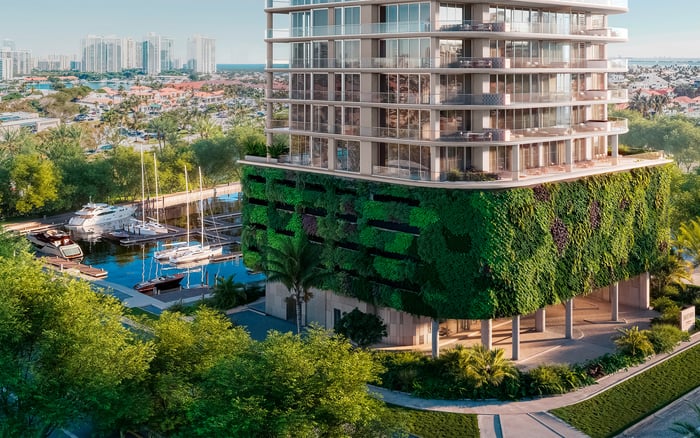
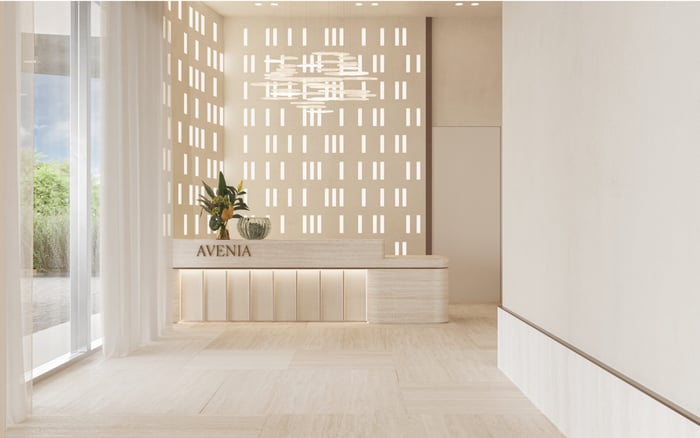
Buyers seeking to calibrate Aventura against nearby options can also review Avenia Aventura before widening the field to Bentley Residences Sunny Isles and Turnberry Ocean Club Sunny Isles. Farther north, Shell Bay by Auberge Hallandale offers another point of comparison. These alternatives belong in the diligence conversation only after buyers apply the same document-led questions to each.
The strongest choice is the residence where the service promise, legal structure, and owner's intended use align. Viceroy is the clearest branded candidate. Privé offers the most fully documented amenity and service program among the properties reviewed. Porto Vita and Williams Island reward careful analysis of layered obligations, while The Peninsula presents a more conventional, staff-led condominium proposition.
A polished lobby and attentive arrival matter, but enduring value lies in repeatable operations. Buyers should ask not only what service feels like today, but who is obligated to provide it, how it is funded, how performance is measured, and what rights owners retain if the arrangement changes.
For discreet guidance on selecting and evaluating South Florida luxury residences, connect with MILLION.
If branded residences are on your mind — as a home or as an allocation — we would be glad to share what we are seeing, privately.
Begin a quiet conversationViceroy Residences Aventura is marketed as the city's first branded residential development, making it the clearest local hospitality-brand proposition.
Buyers should review final offering documents covering service obligations, branding rights, agreement duration, termination provisions, management fees, and separately charged services.
Privé documents valet, concierge, 24-hour permanent and roving security, and a poolside café with limited in-home service and catering.
Its documented amenities include a private marina, beach club, pools, tennis, children's facilities, and a 10,000-square-foot gym and spa.
KW Property Management & Consulting was selected to manage Privé, although buyers should confirm the current management assignment.
Porto Vita combines condominium ownership with private-club services, so building obligations and club-related dues or charges should be separated.
The Peninsula markets 24-hour concierge and security, valet parking, resident-focused staff, a waterfront pool, fitness facilities, and common areas.
Buyers may encounter building-level and broader community, club, membership, or marina obligations that require separate review.
No. Buyers should examine executed agreements, budgets, reserves, audited financials, meeting minutes, insurance information, and assessment details.
No. The relevant test is whether costs are transparent, properly allocated, adequately funded, and tied to clearly defined services.