Five Miami-Dade settings offer distinct approaches to controlled access and arrival privacy. For the disciplined second-home buyer, their appeal must be tested against property-level services, amenity eligibility, financial records, and the practical demands of ownership while away.

For a Miami-Dade buyer who spends substantial time elsewhere, luxury includes the confidence that a residence remains well managed between visits. Protected arrival, controlled visitor access, and clearly defined amenity rights matter. So do the less visible obligations: maintenance oversight, insurance, reserves, and a clear chain of responsibility when something needs attention.
The five options below stand out for documented access and privacy features. Their order reflects those features-not an audited comparison of financial strength or long-term operating performance. Nor do private clubs and exclusive residential services establish that every amenity is owner-only. That distinction matters before a buyer equates discretion with effortless ownership.
1. Fisher Island - Private-island access off Miami Beach
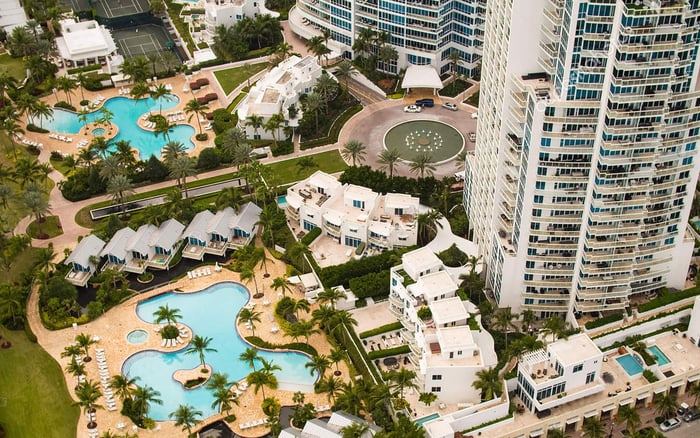
Fisher Island ranks first for a structural distinction: the 216-acre private island has no direct road access. Arrival is managed through a private ferry system, with yacht and helicopter access also available. Its position off the southern tip of Miami Beach creates a clear separation from ordinary road circulation.
The club offering includes a private beach, golf course, tennis courts, spa, marinas, and restaurants. That concentration appeals to buyers seeking a residential setting with substantial recreational infrastructure. Before purchasing, confirm club eligibility, guest privileges, and the specific residence's maintenance and emergency-response arrangements. Island access is a privacy advantage, not proof that an individual home is fully managed during an owner's absence.
2. Indian Creek Village - A single guarded bridge and limited residential scale
Indian Creek Island has approximately 41 residential homesites, with vehicle access concentrated at a single guarded bridge. It also has its own police department, with patrols described as operating 24 hours a day. A defined entry point and a small residential footprint place it second.
A private 18-hole golf course adds a recreational dimension, but buyers should verify membership eligibility separately from ownership. For lock-and-leave purposes, the decisive question is who looks after the residence itself. Controlled neighborhood access does not establish interior inspections, maintenance supervision, or an owner-specific response plan.
3. Deering Bay - Gated mainland access in Coral Gables
Deering Bay offers a mainland alternative within a gated residential community in Coral Gables. Its stated security features include 24-hour guards, surveillance, and private patrols, making it a candidate for buyers who prioritize controlled residential entry.
The operating review should extend beyond the gate. Confirm staffing coverage, visitor authorization, vendor procedures, and the division of responsibilities among the community, any relevant association, and the homeowner. Where marina obligations apply, review them separately rather than assuming they fall within the residential service arrangement.
4. Seaway at The Surf Club - Dedicated residential arrival in Surfside
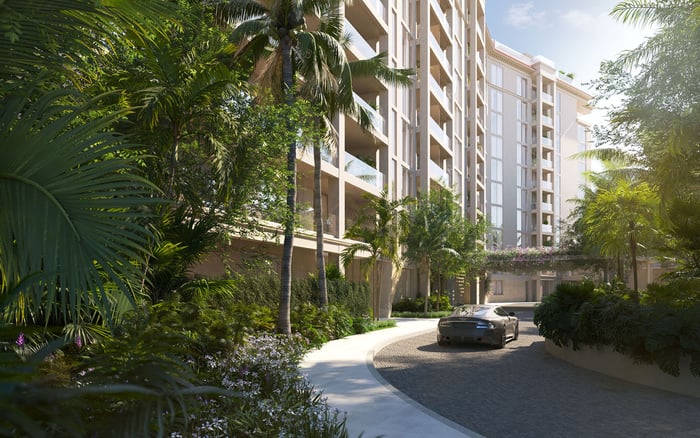
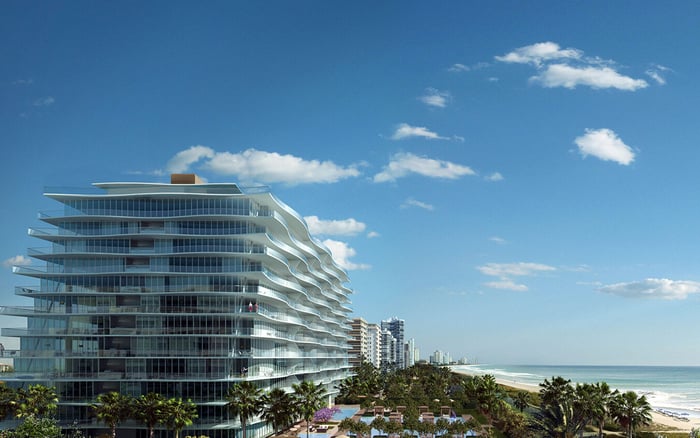
Seaway at The Surf Club's stated offering includes a dedicated private arrival and valet entry, exclusive residential services, and a secure arrival experience within landscaped resort-style grounds. Its distinction is building-level arrival privacy rather than an island-wide access barrier.
For a Surfside buyer, the practical test is the separation between residential and hotel circulation. Ask which entrances, lifts, amenities, and service routes are shared-and who may use them. The stated arrival experience is relevant, but it does not establish owner-only amenity access or a comprehensive absence-care program.
5. Cocoplum - Boating-oriented privacy in Coral Gables
Cocoplum brings private yacht-club and marina infrastructure to the comparison. Its waterfront properties include deep-water dockage with no fixed bridges to Biscayne Bay, making it particularly relevant to buyers whose residential plans center on boating.
That waterfront appeal requires a distinct operating review. Confirm gate staffing, marina obligations, dock responsibilities, and arrangements for vessel oversight while away. Unobstructed passage to the bay is a boating advantage, not evidence of reduced maintenance exposure or verified property-level lock-and-leave service.
On Fisher Island, buyers considering Palazzo del Sol should separate island access from the obligations attached to the residence. The same distinction applies to The Residences at Six Fisher Island: neither a location nor a project name substitutes for written service commitments.
Ask who holds authorized access, whether inspections are available, how maintenance issues are escalated, and who can approve emergency work. Establish which services are included, which require a separate contract, and which remain the owner's responsibility. A useful absence plan identifies both the responsible party and the limits of that party's authority.
For buyers also considering The Surf Club Four Seasons Surfside, amenity eligibility and circulation warrant separate questions. A private arrival can protect one part of the residential experience while other spaces operate under different access rules. Seaway's stated features should not be generalized to every residence in a broader comparison.
Request written policies for owners, tenants, club members, invited guests, hotel guests where applicable, and outside vendors. Then walk the arrival sequence from vehicle drop-off to the residence. Ask where visitors wait, how deliveries are handled, and whether service traffic follows the same route. Privacy is more useful when its boundaries are explicit.
A Coral Gables search may also include The Village at Coral Gables. Keep that comparison property-specific. Deering Bay's access features and Cocoplum's boating infrastructure should not be attributed to other projects simply because they share a city.
For any waterfront purchase, separate residential obligations from dock, marina, and vessel obligations. The objective is not merely convenient access to the water, but a documented understanding of what still requires supervision when the owner leaves.
Request association budgets, reserve studies, audited financials, insurance documents, engineering reports, rental rules, and visitor and vendor access policies. Review dues, club fees, and any separate service costs against the obligations they actually cover. The privacy features outlined here do not establish current pricing, reserve adequacy, operating budgets, or staffing ratios.
The strongest choice is the residence whose access protections, financial obligations, and absence-care arrangements are clear before closing. An impressive entrance is valuable; a clearly assigned operating plan makes it useful over time.
Explore a more considered Miami-Dade residential shortlist with MILLION.
If branded residences are on your mind — as a home or as an allocation — we would be glad to share what we are seeing, privately.
Begin a quiet conversationFisher Island ranks first for its lack of direct road access and private ferry system, with yacht and helicopter access also available. The ranking concerns privacy features, not audited operating performance.
Owner-only access is not established across all five options. Buyers should confirm eligibility and rules for club members, guests, tenants, and hotel guests where applicable.
Indian Creek combines approximately 41 residential homesites with a single guarded bridge and its own police department. Its patrols are described as operating 24 hours a day.
Deering Bay is a gated residential community in Coral Gables with marketed features including 24-hour guards, surveillance, and private patrols. Buyers should verify the applicable staffing and access arrangements.
Seaway at The Surf Club advertises a dedicated private arrival and valet entry, exclusive residential services, and a secure arrival experience. Residential-versus-hotel circulation still requires property-specific review.
Cocoplum offers private yacht-club and marina infrastructure, and its waterfront properties include deep-water dockage with no fixed bridges to Biscayne Bay. Dock and marina obligations should be reviewed separately.
No. Buyers still need to confirm property-level maintenance, monitoring, authorized access, and emergency-response arrangements.
Request association budgets, reserve studies, audited financials, and insurance documents, alongside engineering reports. Review the costs and responsibilities attached to club membership and separate services as well.
Club eligibility should be confirmed separately before purchasing. The presence of private recreational amenities does not establish an individual buyer's access rights.
No. It compares documented privacy and access features, without establishing current prices, dues, reserve balances, or long-term operating costs.