Five Broward waterfront search areas frame a disciplined approach to seasonal ownership, with trust and entity approvals, shoreline obligations, and legal boating access evaluated separately.
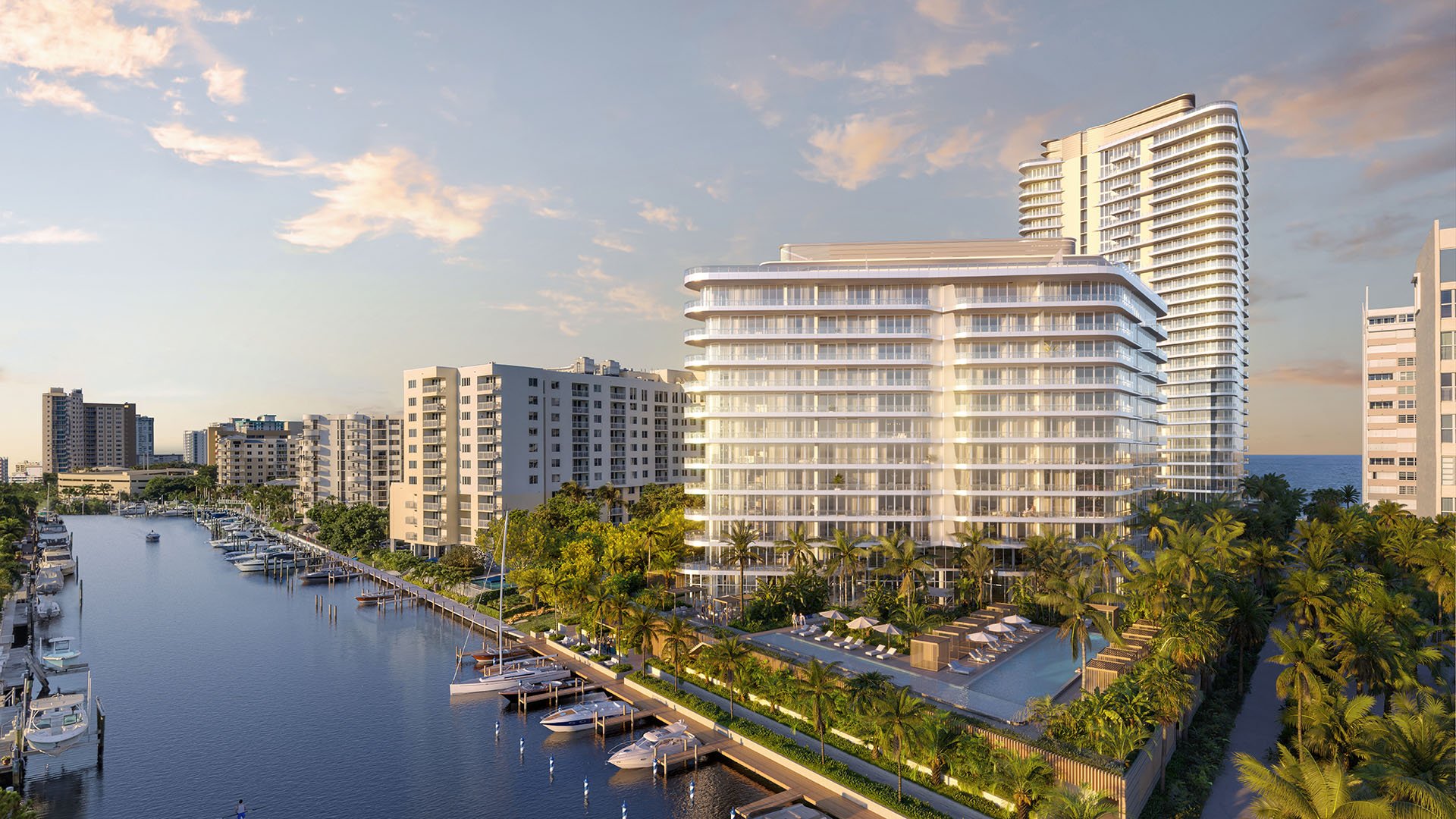
The most valuable feature of a seasonal waterfront residence is not simply the view. It is the ability to leave knowing who is responsible for the property, its shoreline, and access to the water. For buyers using a trust or entity, that confidence should rest on documents and operating arrangements-not an assumption that a prestigious address handles everything.
Broward offers five useful waterfront search areas: Hillsboro Mile, Fort Lauderdale, Hollywood, Dania Beach, and Pompano Beach. The order below sets a geographic screening priority, not a ranking of approved associations or certified lock-and-leave buildings. No location confirms trust acceptance, available dockage, or secure waterside access.
1. Hillsboro Mile, Hillsboro Beach: Separate residence and dock diligence
Hillsboro Mile merits a first look for buyers considering oceanfront living paired with an accompanying Intracoastal parcel or nearby dockage. That arrangement is property-specific, not an automatic managed package.
Treat the residence and boating access as distinct acquisitions until the documents establish otherwise. Confirm title, legal access, permitted use, insurance, and whether both interests can be held within the intended ownership structure.
2. Fort Lauderdale: Ocean-access housing with property-level checks
Fort Lauderdale is an established search area for ocean-access waterfront housing. Its place on this shortlist reflects that residential category, not a promise that any particular building provides managed absence services or berth rights.
For buyers who travel extensively, the decisive questions are who enters the residence, who responds to water intrusion, and who can act when the authorized owner representative is unavailable. Request written answers before relying on a lock-and-leave description.
3. Hollywood: Waterfront options without package assumptions
Hollywood belongs on the search map for ocean-access waterfront housing. Assess each property by its residence, shoreline condition, and ownership documents-not an assumed price advantage or bundled marina arrangement.
Ask the municipality to confirm the applicable tidal-barrier requirements. Then establish whether shoreline upkeep falls to the individual owner, an association, or another party, and how that responsibility is funded.
4. Dania Beach: Verify the service and access arrangements
Dania Beach offers another ocean-access residential search area. For seasonal buyers, the first task is to establish whether a particular property has the services needed for extended absences and legally documented dock access.
Request the relevant management arrangements and slip agreement, if applicable. Distinguish the right to reach a dock from the right to occupy a berth. Verify both rather than inferring either from proximity to water.
5. Pompano Beach: Match the residence to shoreline obligations
Pompano Beach rounds out the shortlist as another ocean-access waterfront housing market. Its inclusion is a geographic starting point, not a project-level endorsement of ownership eligibility or waterside security.
Compare prospective properties by their engineering assessments, maintenance obligations, insurance terms, and documented hurricane procedures. An attractive residence still requires a clear account of what happens at the shoreline while its owner is elsewhere.
Second-home planning should begin with counsel reviewing the intended purchaser against the governing documents. Ask about trust and entity eligibility, approval procedures, beneficial-owner disclosures, authorized occupants, and who may give management instructions. Do not assume approval of one purchaser structure extends to another.
For a Hillsboro Beach search that includes Rosewood Residences Hillsboro Beach, apply the same ownership review before treating any residence and boating arrangement as a single package. A project name does not establish approval rules or dock rights.
Where separate parcels or agreements are involved, have counsel reconcile purchaser names, access rights, insurance arrangements, and permitted uses. The objective is straightforward: the structure holding the residence should not leave an unresolved gap in the buyer’s intended use of the water.
For purchasers, shoreline height should be reviewed alongside drainage, neighboring barriers, and access routes. Ask an engineer to assess these conditions together rather than treating a seawall measurement as a complete resilience assessment.
Confirm applicable tidal-flood-barrier elevations, permit requirements, and compliance timelines with the municipality. Ask whether proposed repairs or substantial improvements would trigger additional requirements, and do not assume the same obligations apply to every existing seawall.
Nor should compliance be read as a storm-surge guarantee. Lower neighboring seawalls can allow water onto adjacent properties and shared streets. Include surrounding conditions and the usability of access routes in the property review.
Establish who is responsible for keeping tidal flood barriers in good repair. Request condition assessments, maintenance records, planned work, and a clear allocation of repair costs. Ask an engineer to evaluate signs of water passing through or over a barrier rather than relying on its appearance alone.
Before assuming a seawall or dock repair is straightforward, confirm the required approvals and who will obtain them. Include any potential mangrove or wetland impacts in that review.
When considering The Ritz-Carlton Residences® Pompano Beach, make reserves, assessments, insurance, and shoreline responsibilities explicit diligence questions. None should be inferred from branding.
For a Fort Lauderdale search that includes St. Regis® Residences Bahia Mar Fort Lauderdale, investigate waterside access independently of the residential offering. Confirm any berth entitlement, agreement term, transfer conditions, and permitted users before making boating part of the purchase decision.
Security diligence should establish how waterside entry is controlled, how guests and vendors are admitted, and who responds to an incident during an owner’s absence. Request documented hurricane procedures and clarify authority for emergency decisions. These are questions to resolve, not services to presume.
The strongest lock-and-leave candidate is the property whose legal structure, maintenance funding, and operating responsibilities align with the buyer’s actual pattern of use. Views may establish the attraction; written obligations should establish the confidence to leave.
Refine your Broward waterfront shortlist with MILLION.
If branded residences are on your mind — as a home or as an allocation — we would be glad to share what we are seeing, privately.
Begin a quiet conversationHillsboro Mile in Hillsboro Beach, Fort Lauderdale, Hollywood, Dania Beach, and Pompano Beach. They are geographic screening priorities, not verified building recommendations.
No. Counsel should review each property’s governing documents and approval procedures against the intended purchaser structure.
Some properties can pair oceanfront residences with accompanying Intracoastal parcels or nearby dockage. The residence and boating rights require separate diligence.
Ask the municipality to confirm the applicable tidal-flood-barrier elevation and compliance timeline for the specific property. Have an engineer review the existing barrier alongside drainage and neighboring conditions.
Do not assume so. Confirm the property's permit circumstances and whether planned repairs or substantial improvements would trigger additional requirements.
No. Compliance should not be treated as a guarantee that a property is storm-surge-proof or that surrounding access roads will remain usable.
Lower neighboring barriers can allow floodwater onto adjacent properties and shared streets, undermining an individual property’s improvements.
Request condition assessments, maintenance records, planned work, and documents allocating repair costs. Review funding and required permits before relying on a maintenance plan.
No. Confirm dock or berth rights, legal access, permitted use, and the relevant title or agreement separately from the residence.
Ask for written entry controls, guest and vendor procedures, incident-response arrangements, and hurricane protocols. Do not infer these services from a project name or waterfront setting.