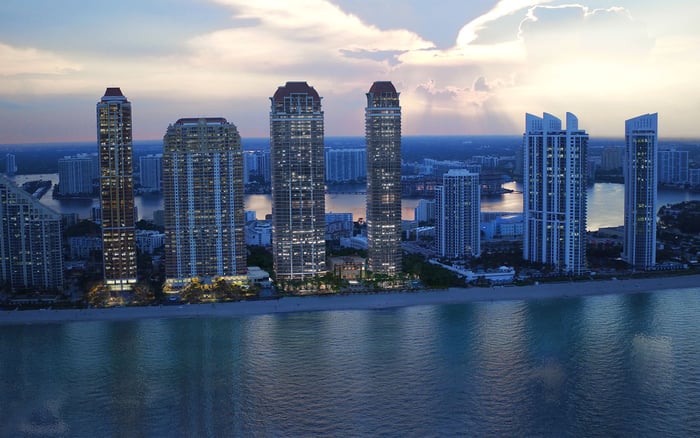
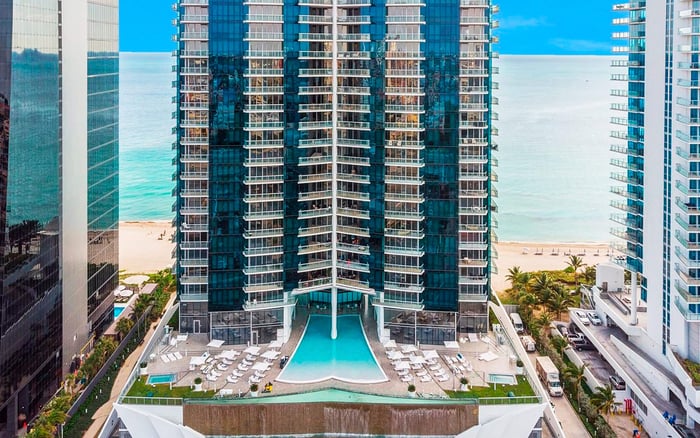
A yacht-owner’s shortlist for Sunny Isles Beach, pairing marina-focused residential options with the essential checks on berth rights, wind protection, post-storm access, and coastal upkeep.
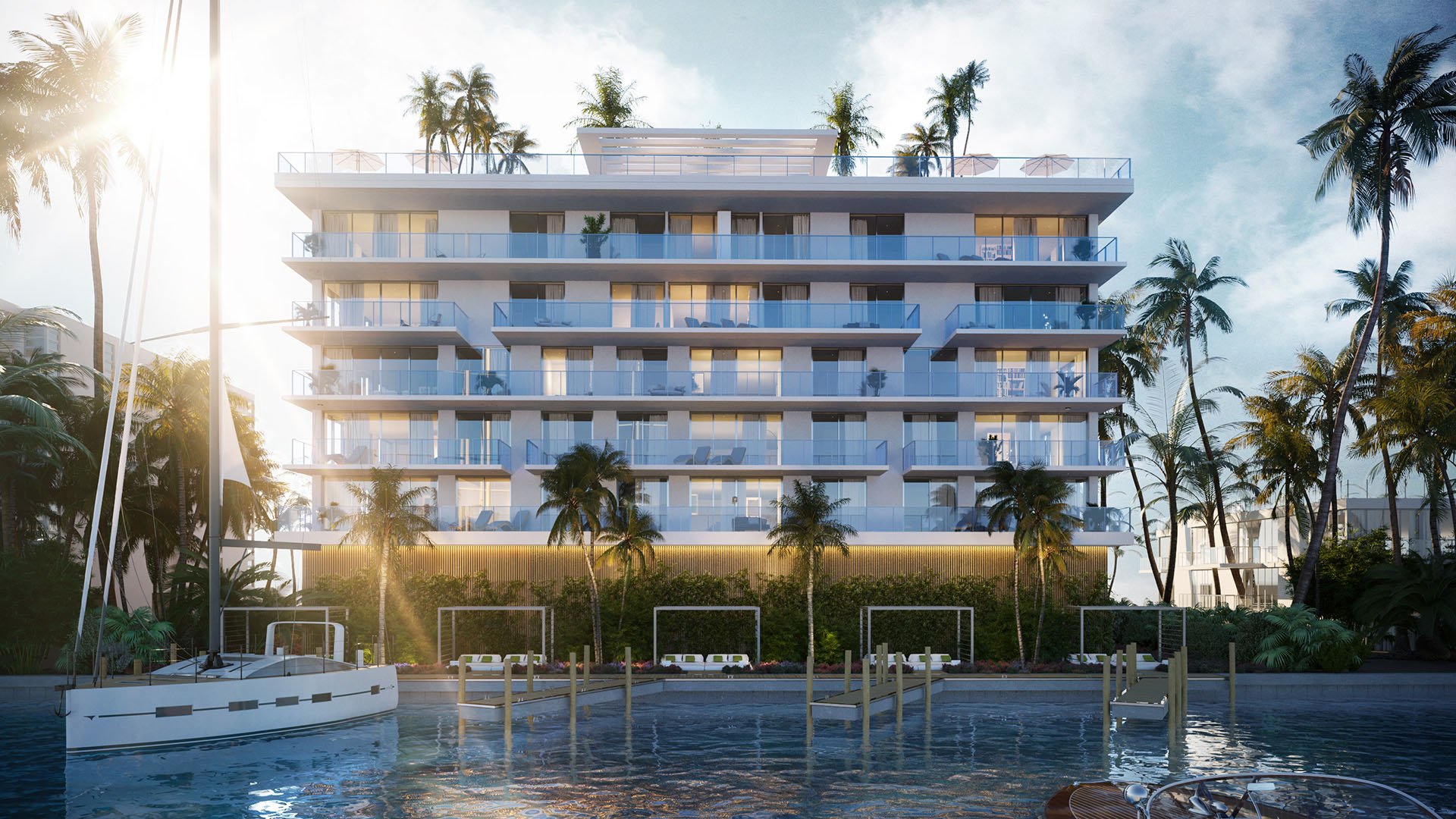
For a yacht owner, the finest Sunny Isles Beach residence is not simply the one with the most compelling water view. It is the home whose boating arrangement fits the vessel, whose access procedures are clear, and whose coastal upkeep can be examined before purchase. A beautiful arrival matters; a dependable return deserves equal attention.
The shortlist below prioritizes advertised boating infrastructure and resident access. It includes communities, a residence-and-slip purchase configuration, and two distinct search categories. These are buying options, not certifications of storm resilience. Current residence and berth availability, wind performance, and post-storm reopening arrangements each require confirmation.
For buyers also considering Jade Signature Sunny Isles Beach, the same distinction applies: choosing a residence and securing a suitable berth are separate decisions unless the governing documents explicitly connect them.
1. 400 Sunny Isles: private marina at 400 Sunny Isles Boulevard
400 Sunny Isles leads this shortlist for its advertised private marina, wet and dry slips, and boating concierge services. Approximately 640 feet of Biscayne Bay frontage anchors the boating offering, while advertised residential amenities include valet parking, security, and private beach transportation.
Advertised wet-slip capacity accommodates vessels approximately 30-100 feet long, with beams up to 25 feet; dry slips accommodate boats up to approximately 35 feet, subject to varying height limits. These are advertised parameters, not guaranteed assignments. Unit 2008 is advertised with impact-resistant glass, but that unit-level detail does not establish building-wide wind performance or marina storm protection.
2. Oceania Residences: resident-restricted slip access on Oceania Drive
Oceania earns its place for a clearly defined access condition: an advertised private 60-foot boat slip for rent exclusively to Oceania I-V residents. For an owner who prefers a resident-restricted arrangement, that eligibility requirement merits review alongside the residence.
The opportunity is slip-specific. It does not establish community-wide berth availability, guaranteed renewal, or storm procedures. Before committing, obtain the proposed lease, confirm vessel compatibility, and establish who controls access before evacuation and after reopening.
3. 400 Sunny Isles residence with a separately purchased slip: paired ownership
This is a purchase configuration within 400 Sunny Isles, not a different community. Some residences offer the option to purchase a marina slip separately for vessels up to approximately 60 feet. The appeal is the possibility of coordinating the residential acquisition and boating arrangement from the outset.
Resale diligence should treat the two interests separately. Confirm dimensions, ownership terms, transfer conditions, insurance obligations, and whether the slip is actually available with the selected residence. The marina’s advertised maximum vessel size should never substitute for the dimensions and rights of the particular berth being acquired.
4. Intracoastal-facing residence with private dock rights: on-site boating search
Sunny Isles Beach’s Intracoastal homes and condominiums include properties with private docks and boat slips. This search category suits buyers who want to investigate on-site boating rather than assume a nearby marina will meet their needs.
The operative phrase is private dock rights. Establish precisely what the residence conveys, then review dock and seawall condition, maintenance responsibilities, and access arrangements. A waterfront address alone does not establish a usable berth or a documented storm-recovery plan.
5. Oceanfront high-rise with nearby marina access: separate home and berth
This search category separates the residential preference from the boating solution. Oceanfront properties offer direct beach access, while boating facilities at select nearby locations may provide a separate berthing option. Neither proximity nor a water view creates berth rights.
For an owner comfortable with that separation, the purchase requires two parallel reviews: the condominium’s protection and maintenance documents, and the marina’s contract and operating procedures. Neither substitutes for the other.
Begin with the actual vessel, not the marina’s largest advertised capacity. Confirm length, beam, height restrictions, and the precise slip assignment. Distinguish ownership from rental, and determine whether residential ownership is a condition of continued use.
At 400 Sunny Isles, one dry-dock offering advertises ocean access without fixed bridges. That routing detail needs confirmation for the intended arrangement; it is not a promise of unrestricted operation in all conditions. Likewise, hurricane-proof marketing language is not an independently documented engineering guarantee.
Post-storm access is a sequence of permissions and functioning systems, not a single reopening date. Ask separately about roads, garages, elevators, marina gates, docks, and launching facilities. A residence may be accessible while the boating operation remains restricted. Request written procedures for each component.
Ask who authorizes re-entry, how owners receive updates, and what inspections precede renewed access. Seek documented reopening history where available, but do not mistake an informal estimate for a commitment. The shortlist does not establish comparative reopening performance.
Coastal maintenance deserves the same attention as the interiors. Seawall concerns include cracking, settlement, erosion, drainage problems, corrosion, and loss of support behind the wall. Submerged sections may require underwater-camera or drone inspection.
An inspection interval of approximately three to five years is a starting point, with additional reviews after storms or visible deterioration. Request the latest findings, maintenance history, repair scope, and completion documentation. A scheduled inspection is not a completed repair.
For a buyer comparing Muse Residences Sunny Isles Beach with a marina-oriented option, let the documents guide the comparison: evaluate the residence’s coastal maintenance separately from any proposed boating arrangement.
Impact protection is one part of a broader review. Examine wind and flood insurance, master-policy deductibles, reserves, façades, balconies, waterproofing, and salt-air maintenance. Request building inspection documents rather than extrapolating from a single residence’s advertised glass specification.
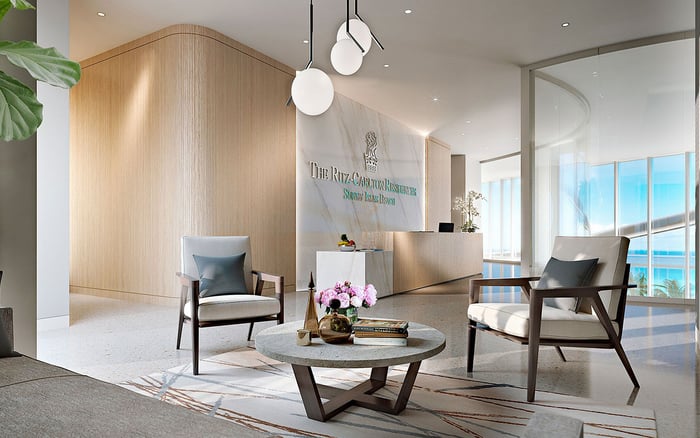
Apply the same discipline to a comparison involving The Ritz-Carlton Residences® Sunny Isles. A residential preference should remain distinct from any conclusion about berth entitlement or storm performance.
The decisive purchase is supported by compatible slip rights, clear access procedures, and documented upkeep. Before closing, review the residence and marina documents together to ensure the home and boating arrangements work in tandem.
For a discreet conversation about aligning your Sunny Isles Beach residence with your boating priorities, connect with MILLION.
If branded residences are on your mind — as a home or as an allocation — we would be glad to share what we are seeing, privately.
Begin a quiet conversationIt advertises a private marina with wet and dry slips and boating concierge services. Those features support its boating appeal, but do not establish storm resilience or reopening performance.
Sales material describes vessels approximately 30–100 feet long, with beams up to 25 feet. Actual berth dimensions, availability, and eligibility require confirmation.
Dry slips are advertised for boats up to approximately 35 feet, with varying height limits. Confirm the restrictions for the specific slip and vessel.
A slip should not be assumed to accompany a residence. Some listings offer a separate slip purchase for vessels up to approximately 60 feet, subject to listing-specific terms.
A private 60-foot slip is advertised for rent exclusively to Oceania I–V residents. That listing does not establish current availability or community-wide access.
A listing for Unit 2008 identifies impact-resistant glass. This is a residence-level detail, not a building-wide wind-performance assessment.
No. Such language in a dry-dock listing is marketing, not independently documented engineering assurance.
Request separate procedures for roads, garages, elevators, marina gates, docks, and launching facilities. Confirm who authorizes access and how owners receive updates.
Approximately every three to five years is a suggested starting point, with additional reviews after storms or visible deterioration. The appropriate schedule should reflect the property's condition.
Review inspection and maintenance records, reserves, wind and flood insurance, and master-policy deductibles. Include façades, balconies, waterproofing, impact protection, and any relevant dock or seawall records.