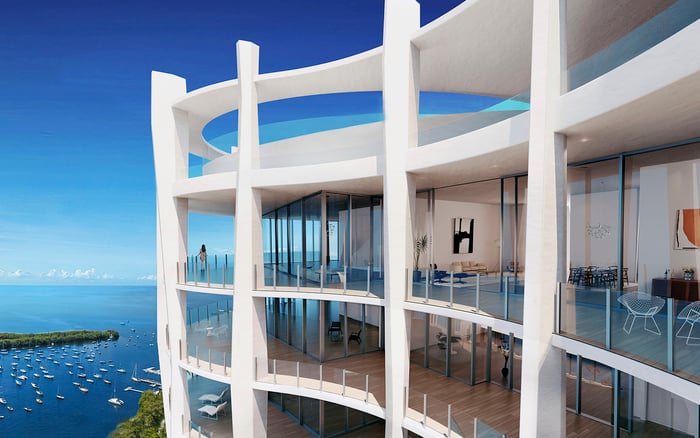
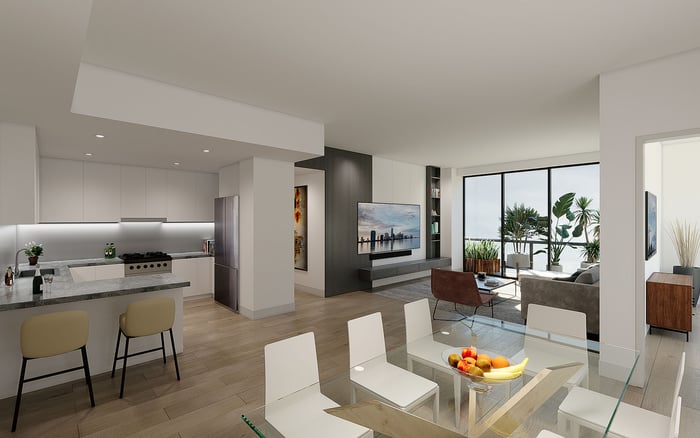
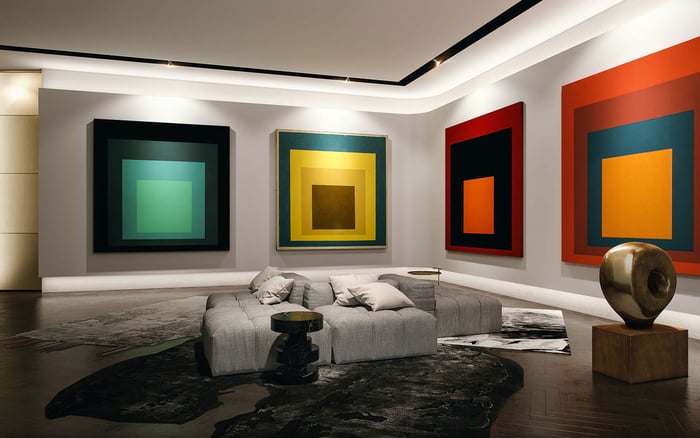
For collectors choosing a Coconut Grove condominium, the right residence begins with an object-specific display plan. Evaluate daylight, lighting controls, mounting feasibility, and insurance questions before committing to a home.
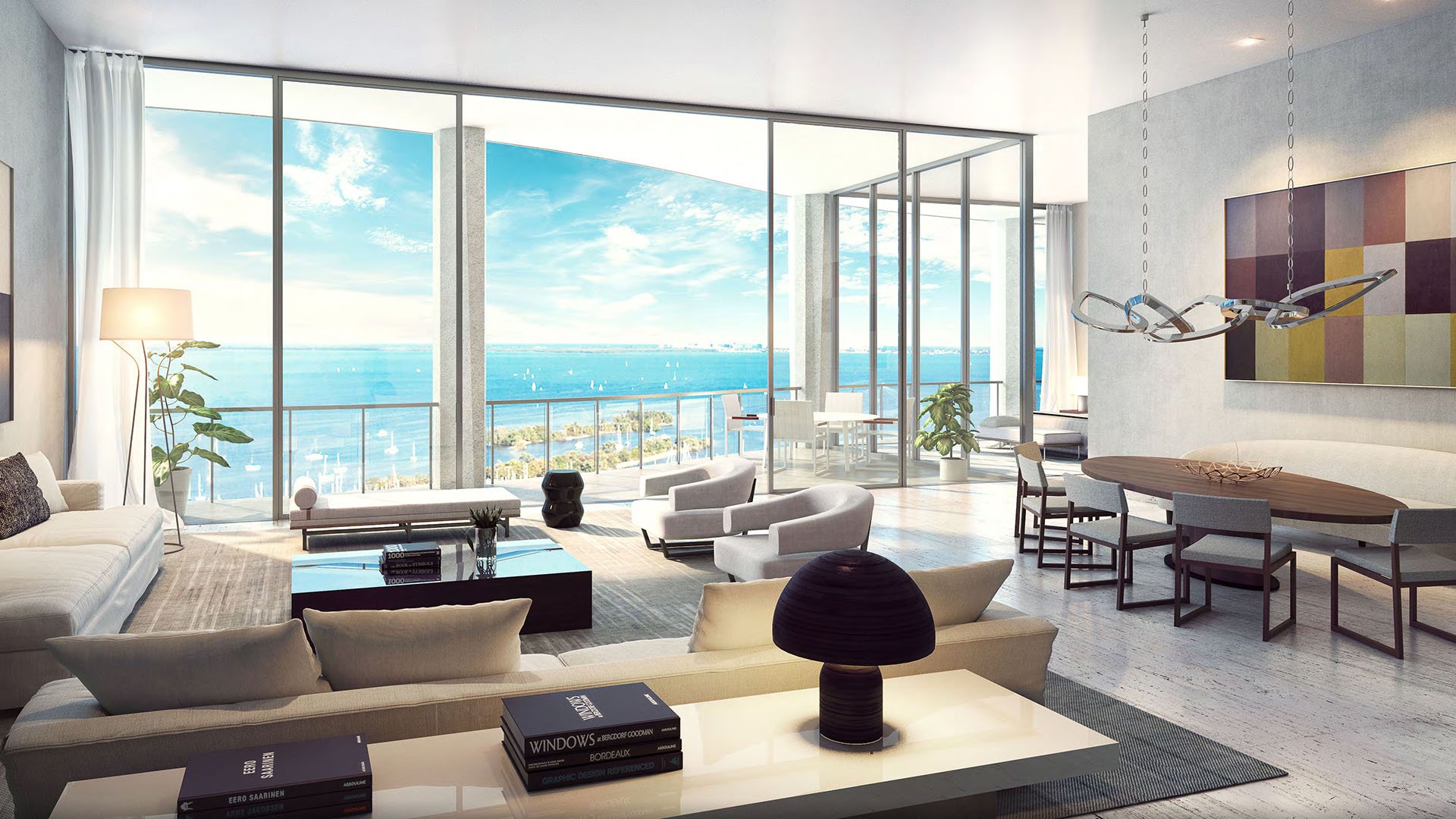
For a collector considering a luxury condominium in Coconut Grove, an elegant wall is only the beginning. The more consequential questions are what light reaches its surface throughout the day, how the artwork will be supported, and whether the proposed arrangement has been reviewed with the collection's insurer. These questions belong in the buying decision, not at the end of furnishing.
Treat museum-grade planning as a brief for the individual collection, not a promise attached to a fixture or window treatment. Light damage is cumulative: intensity and exposure duration both matter. Even a beautifully dimmed installation can expose a sensitive work for too long.
When considering Four Seasons Residences Coconut Grove, begin with the particular residence and proposed artwork locations. Keep every property comparison unit-specific; a project's identity does not establish its suitability for a collection.
Before evaluating finishes, prepare a working inventory of the pieces intended for display. Record materials, dimensions, framed weight where relevant, and any existing conservation advice. Ask a conservator to identify sensitivity and recommend display conditions before a lighting designer assigns settings.
About 50 lux is a common display benchmark for sensitive materials, including textiles and works on paper. It is not a threshold below which damage stops. Extremely light-sensitive objects may require stricter limits or no routine display at all. A single illumination level across an entire collection misses these essential distinctions.
Let those distinctions shape the floor plan. Reserve relatively low-light locations for sensitive works rather than placing them on walls that receive direct sunlight. For extremely sensitive originals, consider shorter display periods or facsimiles. The goal is not to make every room feel like a gallery, but to make the home's display choices compatible with the objects entrusted to it.
A viewing should test more than the appeal of natural light. Ask where direct sun reaches, how conditions change through the day, and which proposed display walls remain relatively low in light. Request a professional assessment of illumination at the intended artwork locations rather than relying on the room's apparent brightness.
At Park Grove Coconut Grove, apply the same discipline: compare specific display positions and request documentation of the glazing and any proposed treatments. A project name is no substitute for measured conditions in a particular residence.
Daylight contains ultraviolet radiation. UV-absorbing films, sheets, or laminates can reduce that component, but UV filtration does not prevent visible-light damage. Pair filtration with blinds or shades that address excessive visible light, and ask how the combined system will be evaluated after installation.
Keep the numerical distinctions clear. A common maximum UV benchmark is 75 microwatts per lumen, or µW/lm; it is not the preferred design target. Levels of 0-10 µW/lm are achievable with current technology, but should not be presumed for an untested window or room. Neither figure replaces control of visible-light intensity and exposure time.
LEDs can serve museum and gallery applications, but selecting the technology is only the starting point. Ask the lighting designer to address spectral characteristics, color quality, glare, and dimming performance. Where a light source produces UV, effective filtering remains necessary regardless of fixture type.
Make viewing quality and exposure management separate parts of the brief. One asks whether the work is presented beautifully; the other asks how much light it receives and for how long. Neither can stand in for the other.
Request settings tailored to individual objects or display zones, with a clear plan for switching display lighting off when it is not needed. Motion sensors or proximity switches can reduce unnecessary exposure when nobody is viewing the collection. Shorter display periods offer another way to limit cumulative exposure.
For a residence under consideration at Opus Coconut Grove, ask the design team to explain how its proposed controls would support that plan. Confirm feasibility for the particular home rather than assuming any controls or fixtures are included.
Treat the preferred artwork wall as a technical question until a qualified professional has assessed it. Provide the object's dimensions, framed weight, and intended position, then ask what information is needed to determine whether the location is suitable.
Request available wall-construction documentation and a review of the proposed mounting arrangement. Ask the condominium's management which permissions, submissions, or installation constraints, if any, apply. A generic fixing recommendation cannot substitute for an assessment of the actual wall and object.
For Vita at Grove Isle, as for any shortlisted residence, make these questions part of the comparison before commissioning a final installation design. Establish whether the intended display can proceed as proposed, requires redesign, or should move elsewhere.
Keep capacity, attachment design, and permission as separate questions. Seek written confirmation from the appropriate parties; an attractive expanse of wall is not evidence that all three have been resolved.
Insurance belongs alongside the display plan, but no particular protection should be assumed. Ask a qualified insurance adviser to review the actual policy wording against the proposed residence, collection, installation, and movement arrangements.
Frame the discussion around specific questions. How would the policy respond to damage during transit or hanging? What treatment, if any, applies to gradual light damage? How are water, flood, or hurricane-related losses addressed? Which exclusions, limits, deductibles, documentation requirements, or conditions would affect this collection?
These are review prompts, not statements of coverage. Ask what valuation and condition information the insurer requires, and whether the proposed mounting and light-control arrangements raise further questions. Obtain written clarification of material uncertainties before relying on a policy to support the purchase decision.
For each finalist, assemble the same decision file: an object-specific display brief, a daylight and UV assessment, a lighting-control proposal, a mounting review, and insurance clarification. Distinguish confirmed conditions from proposals still awaiting assessment or approval.
Then consider the daily experience. Can the collection be enjoyed without leaving sensitive pieces continuously illuminated? Does the proposed shade strategy suit the way you want to live? If a favored wall proves unsuitable, is the alternative still compelling?
The strongest choice is the residence whose display plan can be substantiated, not simply the one with the most dramatic first impression.
Explore Coconut Grove residences with MILLION, keeping your collection's requirements at the center of the search.
If branded residences are on your mind — as a home or as an allocation — we would be glad to share what we are seeing, privately.
Begin a quiet conversationEvaluate proposed artwork locations, daylight exposure, lighting controls, mounting feasibility, and collection-insurance questions for the specific residence.
About 50 lux is a common display benchmark for sensitive materials, not a guarantee against damage. Extremely sensitive objects may need stricter limits or no routine display.
No. Light damage is cumulative, so both illumination intensity and exposure duration need control.
No. UV filtration reduces the ultraviolet component of exposure, but visible light can still cause damage.
The commonly cited 75 µW/lm figure is a maximum, not a preferred target. Levels of 0–10 µW/lm are achievable with current technology, but actual conditions need assessment.
LEDs can serve museum and gallery applications. Selection should address spectral characteristics, color quality, glare, dimming, and effective filtering if the source produces UV.
Motion sensors or proximity switches can keep display lighting off when nobody is viewing the collection. Shorter display periods can also reduce cumulative exposure.
Favor locations that remain relatively low in light throughout the day rather than walls receiving direct sunlight. Ask for an assessment at the intended artwork position.
Provide object dimensions and framed weight to a qualified professional for a location-specific assessment. Separately ask management which permissions or installation constraints apply.
Request review of the actual policy's treatment of transit, installation, gradual light damage, and water or storm-related losses. Seek written clarification of relevant exclusions, limits, deductibles, and conditions.