A disciplined Palm Beach purchase analysis should look beyond price and common charges. Insurance terms, flood context, deductibles, building obligations, and personal risk tolerance belong in one ownership model before a contract becomes binding.
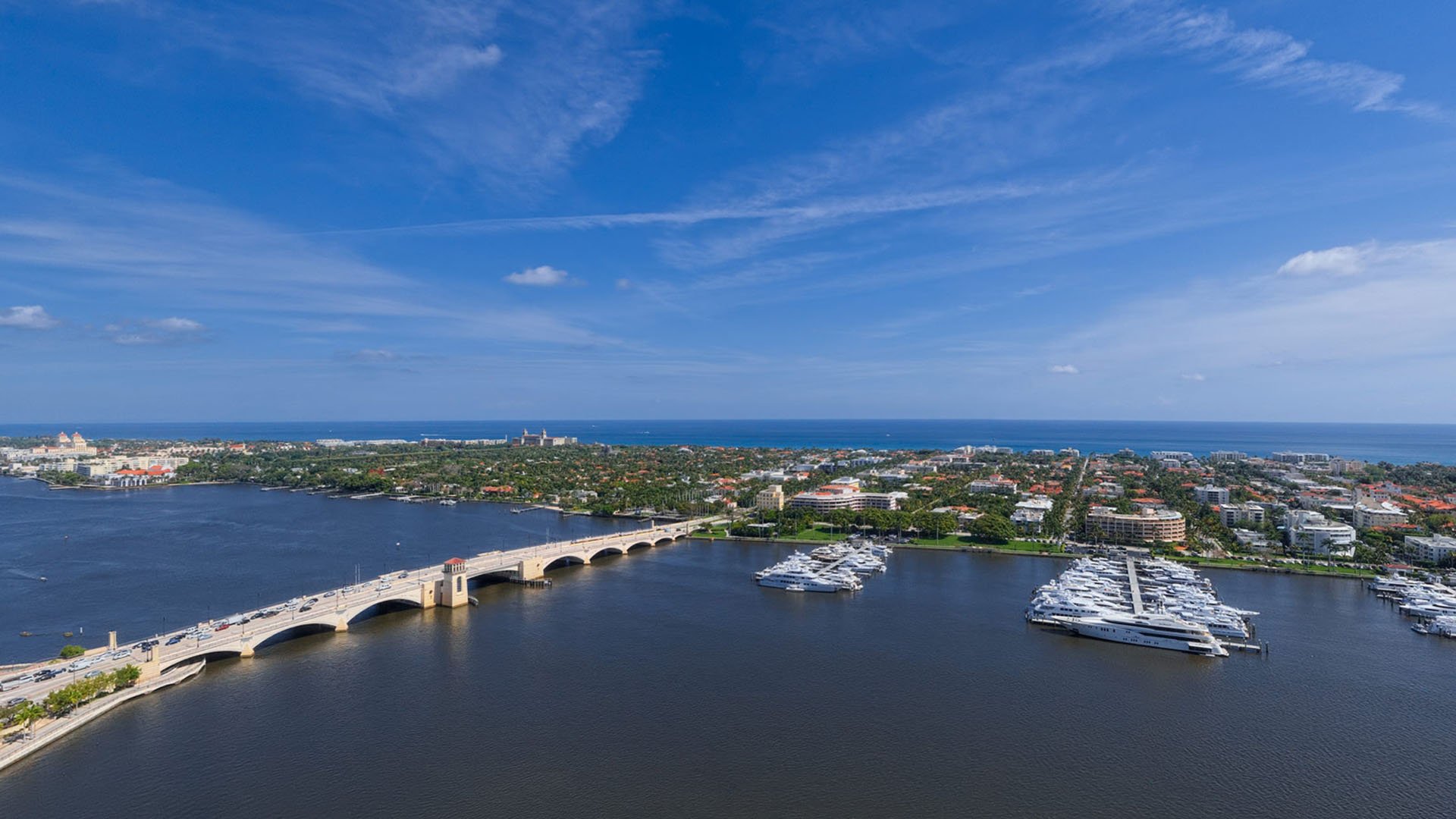
A Palm Beach residence can appear financially straightforward when viewed through its purchase price, common charges, taxes, and expected upkeep. Yet the more consequential ownership calculation often lies deeper in the file: what is insured, what is excluded, which deductible applies, and how much liquidity the owner may need if a loss occurs.
That review should begin early. It matters whether the search centers on a condominium, a managed residence, or a single-family estate-and whether the property will serve as a primary home or a second home. For an investment purchase, the analysis should also reflect the buyer's intended holding structure, financing, occupancy plans, and tolerance for variable annual costs.
The central question is not simply whether insurance is available. It is whether the complete risk arrangement remains acceptable when weighed against the property's price and the buyer's broader balance sheet.
A polished residence may involve several distinct layers: coverage maintained by the owner, coverage associated with the building or community, and requirements imposed by a lender. Buyers should not treat those layers as interchangeable.
For a condominium, ask counsel and the appropriate insurance professionals to identify where the building's responsibility ends and the owner's begins. Interior finishes, improvements, furnishings, personal property, temporary living expenses, liability, and assessments should each be discussed rather than assumed. The same discipline applies when evaluating options such as Palm Beach Residences or Forté on Flagler West Palm Beach. A project name, presentation, or service model cannot replace a property-specific review of documents and proposed coverage.
For an estate, the inquiry may extend to the main residence, detached structures, landscaping, collections, vehicles, staff exposure, and periods when the home is unoccupied. The goal is a coherent program, not a stack of policies considered in isolation.
A quoted annual premium is only one line in the ownership equation. Buyers should request a clear explanation of the wind-related terms, including the applicable limit, deductible structure, exclusions, valuation basis, and any conditions attached to coverage.
Deductibles warrant particular attention because they determine how much of a loss the owner may absorb before coverage responds. Rather than comparing premiums alone, model at least two views: the recurring annual cost and a loss scenario in which the relevant deductible becomes payable. A lower premium may not be preferable if it transfers more near-term risk to the owner than anticipated.
This is also a liquidity question. An ultra-prime buyer may be comfortable retaining meaningful risk, but that choice should be deliberate. The deductible should fit within a planned reserve, not arrive as an unexpected call on cash.
Waterfront appeal is central to much of the Palm Beach lifestyle, but it should never substitute for diligence. Flood context, physical elevation, drainage, building design, parking and storage locations, access routes, and the placement of mechanical systems should all be examined at the individual property level.
The same principle applies across the broader market. A buyer comparing The Ritz-Carlton Residences® West Palm Beach with The Ritz-Carlton Residences® Palm Beach Gardens should not carry assumptions from one location, building, or proposed policy to another. Each candidate requires its own document set, insurance indications, physical review, and professional interpretation.
Ask what the quoted policy would and would not address, and whether separate protection is under consideration. If financing is involved, confirm the lender's requirements before treating any insurance estimate as final.
The most useful comparison is a side-by-side schedule for each shortlisted property. Include proposed premiums, expected deductibles, common charges, identified reserves, routine maintenance, security and staffing, financing costs, and a contingency for owner-retained risk. For a condominium, review potential exposure arising from the association's arrangements with qualified advisers.
This approach can alter relative value. Two residences with similar asking prices may present markedly different ownership profiles once insurance structure, deductible exposure, and building obligations are considered. Conversely, a property with a higher recurring cost may still suit a buyer who values greater predictability.
Buyer's guides are most useful when they support this broader conversation: price establishes the entry point, while risk allocation helps define the ownership experience.
Before a contract becomes binding, request current building documents where applicable, proposed owner coverage, an explanation of deductibles, and clarity on lender conditions. Have the relevant professionals identify unresolved items and specify which assumptions remain provisional.
The review should answer five practical questions: What event activates each deductible? Which property is included or excluded? Who is responsible for interiors and improvements? Could an association-level loss create an owner obligation? How much readily available capital should remain reserved?
The objective is not to eliminate every uncertainty. It is to understand which risks are transferred, which are retained, and whether the resulting arrangement meets the buyer's standards for Palm Beach ownership.
Why review insurance before making an offer? An early review helps a buyer evaluate carrying costs and retained risk while price, structure, and contingencies remain under consideration.
Is the annual premium enough for comparing properties? No. Compare limits, exclusions, deductibles, valuation terms, and owner obligations alongside the premium.
Why do deductibles matter to a luxury buyer? A deductible defines potential out-of-pocket exposure and can shape the liquidity reserved for ownership.
Should a cash buyer still examine flood considerations? Yes. The absence of lender requirements does not determine whether the property's risk profile is acceptable to the buyer.
Does building coverage replace an owner's policy? Do not assume so. Ask qualified advisers to clarify the boundary between building and owner responsibilities.
What should condominium buyers ask about assessments? Ask how insurance deductibles and uninsured losses could affect owners under the governing documents and proposed coverage.
Can two nearby residences have different ownership equations? Yes. Property characteristics, documents, proposed coverage, deductibles, and owner responsibilities should be evaluated separately.
How should a second-home buyer approach vacancy? Disclose the intended occupancy pattern and ask how it may affect proposed terms, conditions, monitoring, and risk planning.
When should lender requirements be checked? Check them early enough to incorporate any conditions into financing, insurance selection, and the closing timetable.
Who should participate in the review? The buyer should coordinate the appropriate legal, insurance, lending, inspection, and financial professionals for the specific transaction.
For a confidential assessment and a building-by-building shortlist, connect with MILLION.
If branded residences are on your mind — as a home or as an allocation — we would be glad to share what we are seeing, privately.
Begin a quiet conversation