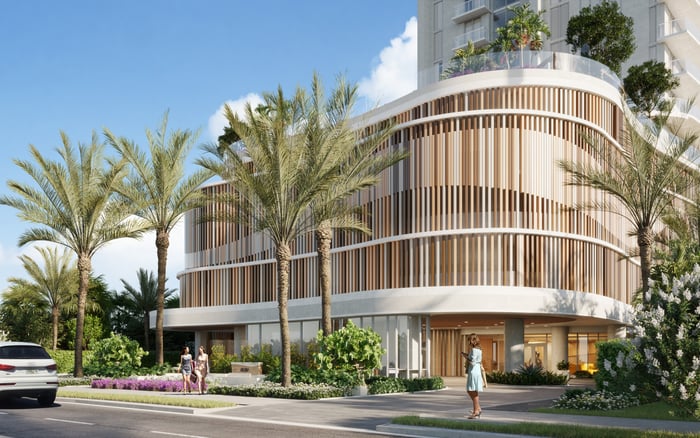
A refined due-diligence framework for evaluating structural findings, reserve adequacy, association borrowing, special assessments, and execution risk before purchasing a Palm Beach Gardens condominium.

In Palm Beach Gardens, polished common areas and an enviable setting do not resolve the most consequential questions in condominium due diligence. A discerning buyer should evaluate structural condition, repair planning, and financial capacity separately rather than treating them as a single issue.
The milestone inspection determines whether a covered building is structurally sound and whether substantial structural deterioration exists. The Structural Integrity Reserve Study, commonly called the SIRS, estimates the remaining useful life and repair or replacement cost of specified components, then calculates the reserve contributions needed to fund them. The capital-project funding plan demonstrates whether the association can translate those findings into defined, financed, and executable work.
The decisive question is not whether a report exists, but whether the work has a credible scope, schedule, contract, and funding source.
That distinction is especially important for a waterfront purchase, where local environmental conditions, including proximity to salt water, may justify earlier municipal review. It is equally relevant whether a buyer is considering an established association or a newer offering such as The Ritz-Carlton Residences® Palm Beach Gardens. The applicable documents, building age, obligations, and financial structure must be evaluated property by property.
Florida’s milestone-inspection framework generally applies to residential condominium and cooperative buildings with at least three habitable stories. A SIRS is generally required for each Florida residential condominium building that meets the same height threshold.
Do not rely on a marketing description, online profile, or the apparent number of levels. Request the certificate-of-occupancy date and confirmation of the number of habitable stories. These details establish which requirements and deadlines apply.
A covered building generally must complete its initial milestone inspection by December 31 of the year it reaches 30 years of age, followed by another inspection every 10 years. A building that reached 30 years of age between July 1, 2022, and December 31, 2024, generally had an initial deadline of December 31, 2025. A local enforcement agency may impose a 25-year initial deadline when environmental conditions support earlier review.
Older association correspondence may reflect superseded dates or rules. Buyers should reconcile every notice, report, budget, and board discussion with current requirements and applicable local direction.
Phase One is a visual examination performed by a licensed architect or engineer. If that professional finds no substantial structural deterioration, Phase Two is not required. This is useful evidence, but it is neither a reserve study nor a guarantee that every building component is free of maintenance needs.
When substantial structural deterioration is identified, Phase Two may use destructive or nondestructive testing to determine the extent of the damage and recommend repairs. County ordinances must require covered owners or associations to begin necessary repairs within 365 days after receiving a Phase Two report that identifies such deterioration.
Request the complete, signed Phase One report-not merely a management summary. If Phase Two applies, obtain the full report, testing, repair recommendations, local-government notices, engineer correspondence, specifications, bids, contracts, permits, schedules, and evidence of funding. Architects and engineers bidding on milestone work must disclose in writing whether they also intend to bid on maintenance, repair, or replacement work arising from their recommendations. Include that disclosure in the project-file review.
The SIRS is a recurring capital-planning obligation, with updates required at least every 10 years after the condominium’s creation. It addresses specified structural and life-safety assets, including the roof, structure, foundation, floors, fireproofing and fire-protection systems, plumbing, electrical systems, and waterproofing or exterior painting that affects structural integrity.
Begin with components that have short remaining useful lives, particularly roofs, waterproofing, concrete, structural framing, plumbing, and electrical systems. Then compare estimated repair or replacement costs and recommended annual contributions against actual reserve balances, the adopted reserve schedule, the current budget, recent financial statements, and contemplated borrowing.
The SIRS is not an all-assets study. Buyers should not assume it covers pools, clubhouses, landscaping, interior finishes, or every amenity. Those items may carry separate capital requirements. This broader perspective matters throughout the Palm Beach luxury corridor, including when comparing established inventory with West Palm Beach choices such as Alba West Palm Beach or The Ritz-Carlton Residences® West Palm Beach.
Florida restricts associations from waiving or inadequately funding reserves required for SIRS-covered components. Yet a reserve line alone does not establish financial readiness. Current rules permit a loan or line of credit to form part of SIRS funding, potentially shifting pressure into debt service, future assessments, or higher regular charges.
HB 913 raised the estimated-cost threshold for certain separately identified SIRS components from $10,000 to $25,000, subject to inflation adjustments. It also created limited relief from certain reserve contributions for two consecutive budgets. That pause does not eliminate the underlying repair or funding obligation.
A credible capital-project plan should connect every material finding to a defined scope, projected dates, selected or prospective contractors, contract status, funding source, debt terms, owner assessments, and anticipated disruption. Determine whether assessments have been approved, proposed, discussed in minutes, delayed, or contemplated for a date after closing.
For an investment purchase, model more than the stated monthly fee. Include current assessments, potential increases, loan-related debt service, insurance or operating pressure reflected in association materials, and the practical effect of construction on access and enjoyment. A low reserve balance is not the only concern; a large balance without coherent allocation or an executable plan also warrants scrutiny.
Organize due diligence into four folders: statutory status, engineering, project execution, and finance. The statutory folder should contain occupancy evidence, story-count confirmation, notices, deadlines, and filed inspection materials. The engineering folder should include complete milestone reports, SIRS documents, testing, specifications, and professional disclosures.
The execution folder should contain bids, signed contracts, permits, schedules, warranties, and owner communications. The finance folder should include budgets, reserve statements, financial statements, assessment resolutions, loan documents, repayment schedules, and relevant board minutes. Trace every major SIRS recommendation and milestone finding through all four folders.
Contract language should allow adequate time for a Florida condominium attorney and qualified engineer to examine Phase Two findings, deferred work, reserve shortfalls, association debt, and pending assessments before the inspection period expires. Responsibility for approved or pending assessments should be addressed expressly, not assumed.
Thoughtful buyer’s guides should sharpen judgment, not replace professional review. Buyers considering the wider Palm Beach market, including Palm Beach Residences, should apply the same discipline while recognizing that every association presents a distinct legal, physical, and financial record.
For discreet guidance on South Florida condominium opportunities and due diligence, connect with MILLION.
If branded residences are on your mind — as a home or as an allocation — we would be glad to share what we are seeing, privately.
Begin a quiet conversationIt evaluates whether a covered building is structurally sound and whether substantial structural deterioration exists. It does not replace a SIRS.
The law generally covers residential condominium and cooperative buildings that are at least three habitable stories tall.
It is generally due by December 31 of the year a covered building reaches 30 years of age, with inspections recurring every 10 years.
Yes. Local environmental conditions, including proximity to salt water, may support a 25-year initial inspection deadline.
A Phase Two inspection is triggered and may include destructive or nondestructive testing to define the damage and recommended repairs.
It estimates remaining useful life and repair or replacement costs for covered components, then calculates the reserve contributions needed to fund them.
No. Its focus is structural and life-safety components, so buyers should not assume it includes pools, clubhouses, landscaping, or interior finishes.
Current rules permit a loan or line of credit as part of SIRS funding. Buyers should evaluate the resulting debt service and assessment exposure.
Compare it with current budgets, reserve balances, the adopted reserve schedule, recent financial statements, planned borrowing, and assessment records.
It should connect findings to defined projects, dates, contractors, contracts, funding sources, debt service, owner assessments, and expected disruption.