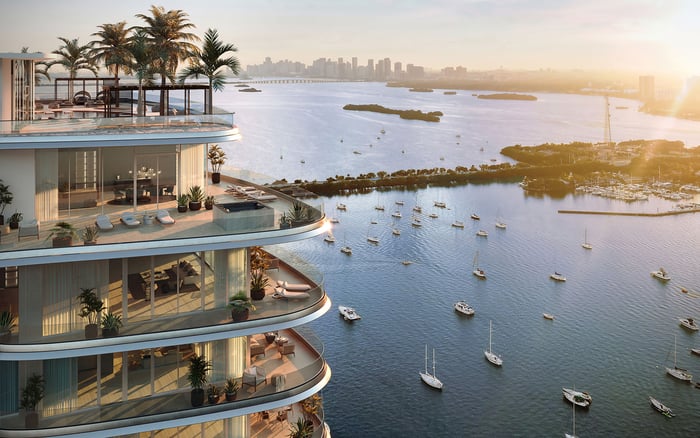
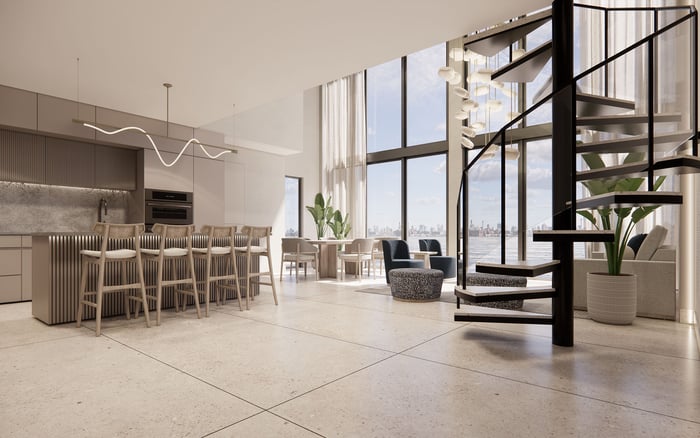
In North Bay Village, consequential due diligence often extends beyond the residence itself. Buyers should examine salt exposure, balcony drainage, water-entry history, exterior-envelope maintenance, and the terms governing window and door warranties before the contractual review period closes.
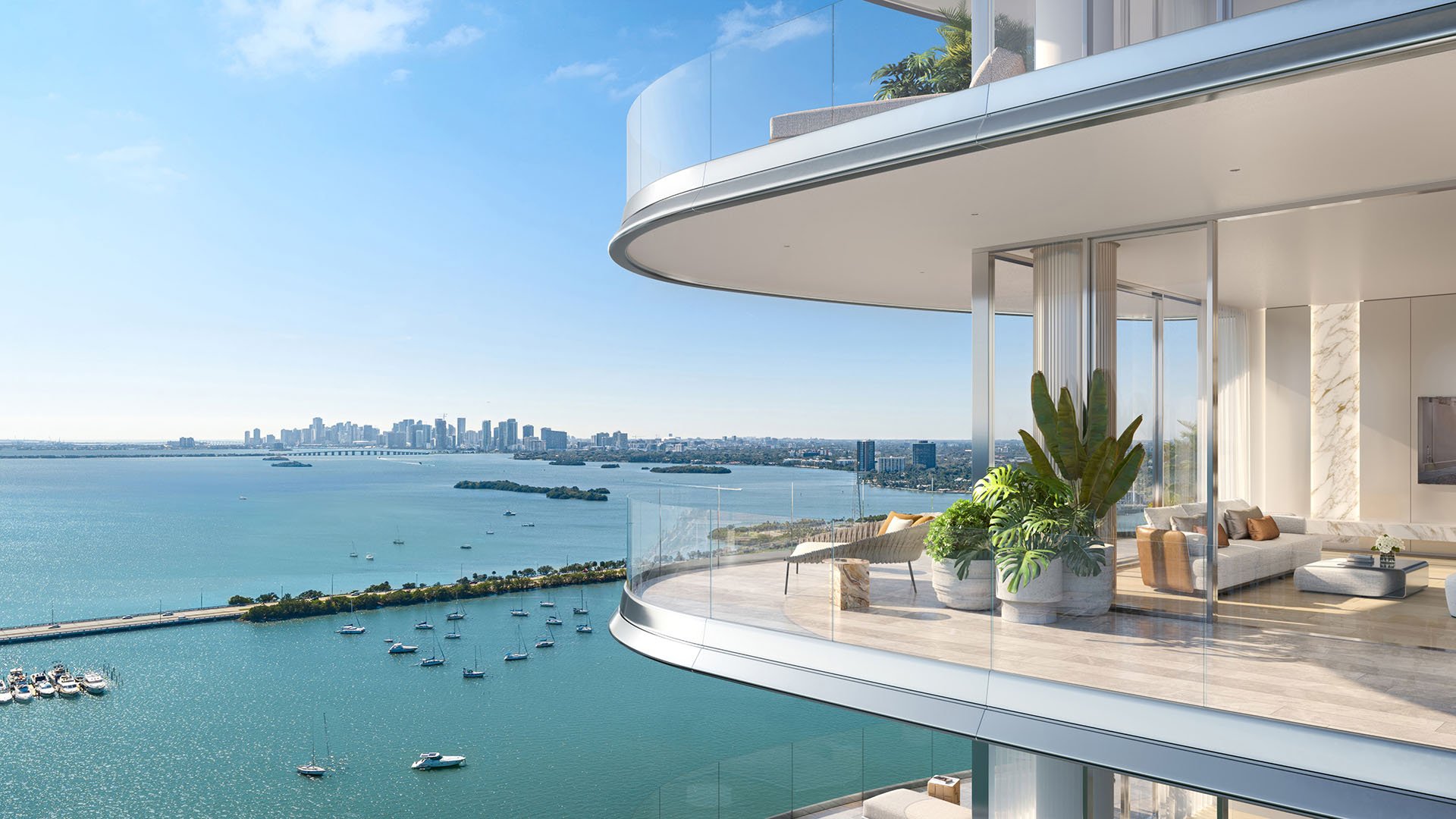
North Bay Village offers the particular allure of life surrounded by Biscayne Bay, but that exposure also shapes the technical profile of a condominium purchase. Salt air and wind-driven rain can affect reinforced concrete, steel, glazing, sealants, and exterior-envelope systems. High floors may command exceptional outlooks, but elevation does not eliminate exposure to airborne salt or severe weather.
For a buyer, the central question is not whether a residence appears pristine on showing day. It is whether the building has a documented program for inspecting, maintaining, and repairing the systems that keep water out and structural materials protected. That distinction matters across established condominiums and newer offerings, including Continuum Club & Residences North Bay Village and Shoma Bay North Bay Village.
The most expensive defect may be the one concealed behind an immaculate interior.
A conventional unit inspection can identify visible staining, failed caulk, or a problem with an operable door. It may not establish the condition of reinforcing steel, the integrity of a waterproofing membrane, or the path of intermittent water entry. In a waterfront setting, those questions may justify early attention from a qualified structural engineer or building-envelope specialist familiar with South Florida conditions.
The review can encompass bay-facing elevations, concrete-restoration history, rust staining, spalls, recurring sealant repairs, and engineering discussions involving steel or reinforced concrete. Building age, exposure, maintenance history, and repair quality should be considered together rather than in isolation.
Visible patching is not automatically adverse. Responsible maintenance often leaves evidence of completed work. What matters is whether the physical condition aligns with permits, engineering records, invoices, warranties, contracts, and board discussions. Repeated cosmetic repairs without a clearly documented diagnosis may warrant closer investigation.
A balcony should be evaluated as a water-management assembly, not simply as outdoor living space. Its slope, drains, thresholds, coatings, perimeter joints, railing penetrations, and sliding-door interface all influence where stormwater travels. Water directed toward the residence can turn a localized weakness into recurring interior damage.
Buyers can look for ponding, cracking, lifted coatings, deteriorated sealant, rust marks, efflorescence, soft interior finishes, and staining around doors or on ceilings below. They should also determine whether balcony waterproofing is original, repaired, or replaced and whether the work was performed building-wide or only in selected locations. For buyers comparing residences at Tula Residences North Bay Village or other bayfront properties, these questions belong in the initial review rather than after closing.
The connection between the balcony, exterior wall, glazing, and door assembly deserves particular attention. A visible symptom may originate at a joint or penetration some distance from the point where moisture appears indoors.
A ceiling stain does not, by itself, establish the source of a leak or who must repair the underlying condition. Water can migrate from an exterior wall, roof, structural slab, balcony, window assembly, stucco crack, garage waterproofing system, or neighboring area before becoming visible inside a residence.
Responsibility depends on the actual source and the condominium's governing documents. Buyers should have qualified counsel review the declaration, maintenance obligations, insurance provisions, and any alteration agreements, particularly when an owner has replaced windows, doors, flooring, or balcony finishes.
Request unit-specific and building-wide leak logs, insurance claims, engineering reports, remediation proposals, contractor scopes, board minutes, and correspondence concerning recurring locations. Compare those records with fresh paint, replaced baseboards, patched stucco, and sealant work observed during inspection. Protecting the purchase requires understanding both the condition and the party responsible for addressing it.
Impact glazing is not necessarily governed by one universal warranty. Frames, finishes, laminated or insulated glass, hardware, and other parts may carry different coverage periods, requirements, and exclusions. Coastal conditions may also affect protection under the specific written terms.
A buyer should request the manufacturer, product information, installation date, installer details, maintenance invoices, prior claims, service records, and complete warranty rather than relying on a summary. The written documents should clarify whether coverage remains active, transfers upon sale, requires particular maintenance or service, or imposes notice deadlines.
The physical review should include gaskets, perimeter sealant, frame finishes, hardware, weep paths, insulated-glass appearance, and slider operation. If a seller cannot establish compliance with required maintenance, the practical value of a nominally active warranty may be uncertain.
New construction should not be presumed free of envelope risk, just as an older condominium should not be presumed poorly maintained. Completion date, branding, amenities, and interior finishes do not replace a review of engineering files, warranties, repair records, and association documents.
The same principle applies when comparing multiple North Bay Village opportunities. Buyers should verify the physical system, maintenance record, financial implications, and available contractual remedies separately. A polished residence can still require detailed investigation of balcony assemblies, windows, doors, exterior walls, and prior moisture conditions.
Resale diligence is most effective when technical, legal, insurance, and financial reviews proceed in parallel. Before the contractual review period expires, request concrete-restoration records, waterproofing scopes, window files, reserve information, pending-assessment details, open claims, board minutes, and recent engineering recommendations. Determine whether documented repairs are temporary or permanent, whether warranties remain enforceable, and whether additional work has been approved but not yet funded.
The objective is not to eliminate every sign of coastal maintenance. It is to distinguish a managed condition supported by credible documentation from an unresolved pattern of intrusion, corrosion, or repeated patching. In North Bay Village, early review gives a buyer the clearest opportunity to assess risk, request further investigation, clarify responsibility, and protect the quality of the purchase.
For discreet guidance on North Bay Village condominium opportunities and buyer due diligence, connect with MILLION.
If branded residences are on your mind — as a home or as an allocation — we would be glad to share what we are seeing, privately.
Begin a quiet conversationSalt exposure can affect reinforced concrete, steel, glazing, sealants, and exterior-envelope systems. Maintenance history and repair documentation therefore deserve close review.
Not always. A qualified structural engineer or building-envelope specialist may assess concerns beyond a conventional interior inspection.
Review slope, drainage, coatings, cracks, thresholds, perimeter joints, railing penetrations, and the interface with sliding doors.
Responsibility depends on the source of the leak and the condominium's governing documents. Qualified counsel can review the applicable maintenance and insurance provisions.
Request leak logs, insurance claims, engineering reports, contractor scopes, board minutes, repair records, and unit-specific correspondence.
They may, depending on the product-specific written terms, requirements, and exclusions. Buyers should review the complete warranty.
It may if the written warranty imposes maintenance or service requirements. Buyers should verify invoices and service records.
Not necessarily. Frames, finishes, glass, hardware, and other components may have different coverage periods and conditions.
No. Completion date and luxury presentation do not replace a review of engineering files, warranties, and repair records.
Technical, legal, insurance, and financial reviews should begin early enough to finish before the contractual review period expires.