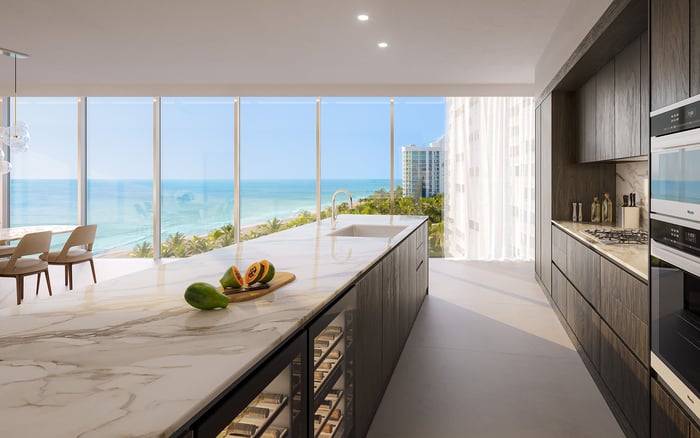
In North Bay Village, a water view and a workable boating setup are not interchangeable. Buyers should examine the full route from residence to berth to open water, along with dock rights, vessel fit, operating rules, insurance, and long-term costs before assigning a premium to waterfront ownership.
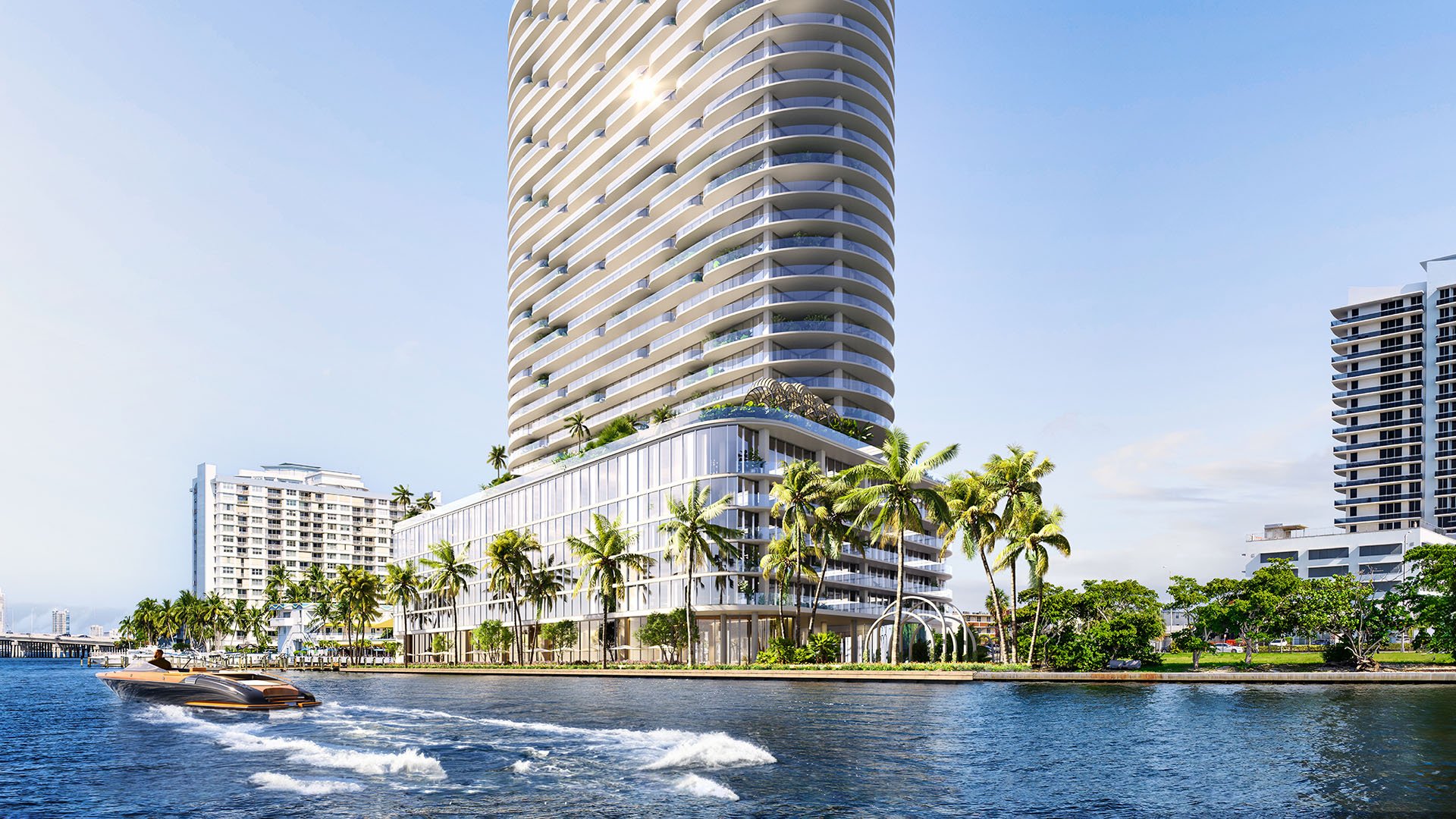
In North Bay Village, the most compelling purchase may appear to be the residence with the broadest water exposure. For a boating household, however, the decisive value can lie beyond the glass. The practical relationship among the home, dock, vessel, and route to open water may shape daily enjoyment more than the panorama alone.
That distinction matters because waterfront living and boating access are separate propositions. A residence can offer a beautiful outlook without a boat slip. A building may provide dockage, yet its dimensions, governing rules, or route constraints may not suit a particular vessel. The sophisticated buyer therefore evaluates two assets at once: the real estate and the boating infrastructure attached to it.
Within MILLION's Buyer's Guides, the central principle is simple: never price the boating component by impression. Verify how it works, what it costs, whether it transfers, and whether it accommodates the vessel you expect to own.
Before focusing on finishes or floor plans, map the entire journey from the proposed berth to the buyer's intended destinations. The essential questions are operational. Does the route include a bridge? If so, is it fixed or movable? Are there narrow passages, shallow areas, access windows, or other conditions that could affect how and when the boat is used?
Test bridge clearance against the vessel's actual air draft, not an informal estimate. Antennas, outriggers, radar equipment, towers, and other elevated components can alter the calculation. Clearance may also vary with water level and operating conditions. A margin that appears acceptable on paper may feel markedly different when the vessel is loaded, the water is higher, or the captain is navigating conservatively.
Apply the same discipline below the waterline. Draft, channel depth, berth depth, and approach conditions belong in a single analysis. A sea trial of the route, conducted with appropriate marine professionals, can reveal practical friction that a visit from the lobby cannot.
The word marina can encompass very different ownership arrangements. A slip might be deeded, assigned, licensed, leased, or controlled through an association. Those distinctions may affect exclusivity, transferability, financing, resale, and the owner's ability to change vessels later.
Request the governing documents and written dock rules before assigning a berth any purchase value. Confirm the permitted length, beam, draft, height, and weight of the vessel, as applicable. Ask whether measurements refer to the boat itself or include platforms, pulpits, engines, tenders, and other projections. Determine whether liveaboards, commercial activity, fueling, maintenance work, guests, and overnight use are restricted.
Clarify the financial structure as well. Purchase price, recurring fees, utilities, assessments, deposits, and maintenance obligations may be allocated differently. Insurance requirements may apply to the vessel, the slip holder, or both. The buyer should understand who is responsible for pilings, lifts, utilities, seawalls, storm preparation, and post-storm repairs.
North Bay Village buyers may naturally consider Continuum Club & Residences North Bay Village, Shoma Bay North Bay Village, and Tula Residences North Bay Village within a broader residential search. Marine capabilities should never be inferred from a project's name, imagery, or proximity to the water. Evaluate each opportunity through its current offering materials, governing documents, contracts, and written confirmations.
A useful comparison separates the residence score from the boating score. The residence score can account for layout, privacy, exposure, services, finishes, parking, and carrying costs. The boating score can address berth availability, legal rights, vessel fit, route usability, security, utilities, staffing, and annual expense. Only after completing both should the buyer decide whether the asking premium is justified.
Nearby alternatives can sharpen the analysis. Reviewing Onda Bay Harbor may help a buyer define which elements are essential, but the same rule applies: confirm every marine-related feature directly rather than assuming equivalence among waterfront properties.
For an active owner, immediate access to a suitable berth may reduce the time and coordination required for each outing. For another buyer, third-party dockage may be acceptable if the residence itself is exceptional. These households should not assign equal value to an on-site or associated slip.
Optionality carries value, too. Ask whether the dock arrangement can accommodate a future boat, whether a slip can transfer with the residence, and whether access depends on continued eligibility under association rules. A setup tailored too narrowly to today's vessel may become less useful after an upgrade.
Resale warrants equal attention. The next buyer may value a berth highly, consider it unnecessary, or own a vessel with different dimensions. Clear documentation can make the marine component easier to understand and price. Ambiguity can create delays precisely when a seller seeks certainty.
The strongest offer begins with a coordinated review. A real-estate attorney can interpret ownership and association documents. A marine surveyor or qualified captain can assess vessel fit and route practicality. Insurance advisers can outline coverage considerations, while tax and financial professionals can address the buyer's individual structure.
The diligence file should include the slip instrument, applicable rules, dimension standards, fee schedules, insurance requirements, utility details, maintenance responsibilities, transfer provisions, and any approvals relevant to the intended vessel. Written information should prevail over verbal assurances.
Finally, revisit the property at the times and under the conditions most relevant to actual use. Observe the walk from residence to dock, loading logistics, guest access, security procedures, and the process of preparing the boat. Luxury is not merely the presence of water. It is the ease, reliability, and confidence with which the owner can use it.
For a North Bay Village purchase, that operational clarity is what transforms a seductive setting into a durable ownership decision.
Does a waterfront condominium automatically include a boat slip? No. Confirm whether a slip exists, how it is allocated, and whether the right transfers with the residence.
What is the difference between deeded and assigned dockage? A deeded interest and an association assignment can carry different ownership, transfer, and usage implications. Legal counsel should review the controlling documents.
Why does bridge clearance matter before buying? A bridge can determine whether a vessel can complete the intended route. Compare verified clearance conditions with the boat's full air draft and a prudent safety margin.
What vessel measurements should a buyer verify? Review overall length, beam, draft, air draft, and any projections or equipment that affect fit. Confirm how the dock rules define each measurement.
Can water levels affect clearance and access? Yes. Operating conditions can change available clearance and depth, so static measurements should not be treated as the complete analysis.
Should a buyer test the route before closing? A route review with an appropriate marine professional can identify practical constraints. It should complement document and title diligence, not replace them.
Which dockage costs belong in the ownership budget? Consider acquisition or rental expense, recurring fees, utilities, insurance, maintenance, and possible assessments. Confirm the responsible party in writing.
Can dock rules limit how a boat is used? They may regulate vessel dimensions, guests, overnight use, maintenance, commercial activity, or other operations. Review the current rules before relying on a planned use.
Does a boat slip always improve resale value? Not uniformly. Its contribution depends on legal clarity, usability, costs, vessel compatibility, and the priorities of the future buyer pool.
Who should join the marine due-diligence team? Depending on the purchase, the team may include a real-estate attorney, marine surveyor, captain, insurance adviser, and financial professional.
For a tailored shortlist and next-step guidance, connect with MILLION.
If branded residences are on your mind — as a home or as an allocation — we would be glad to share what we are seeing, privately.
Begin a quiet conversation