A disciplined Miami Beach purchase plan coordinates contract deposits, currency conversions, credit capacity, lender reserves, and protection against a low appraisal.
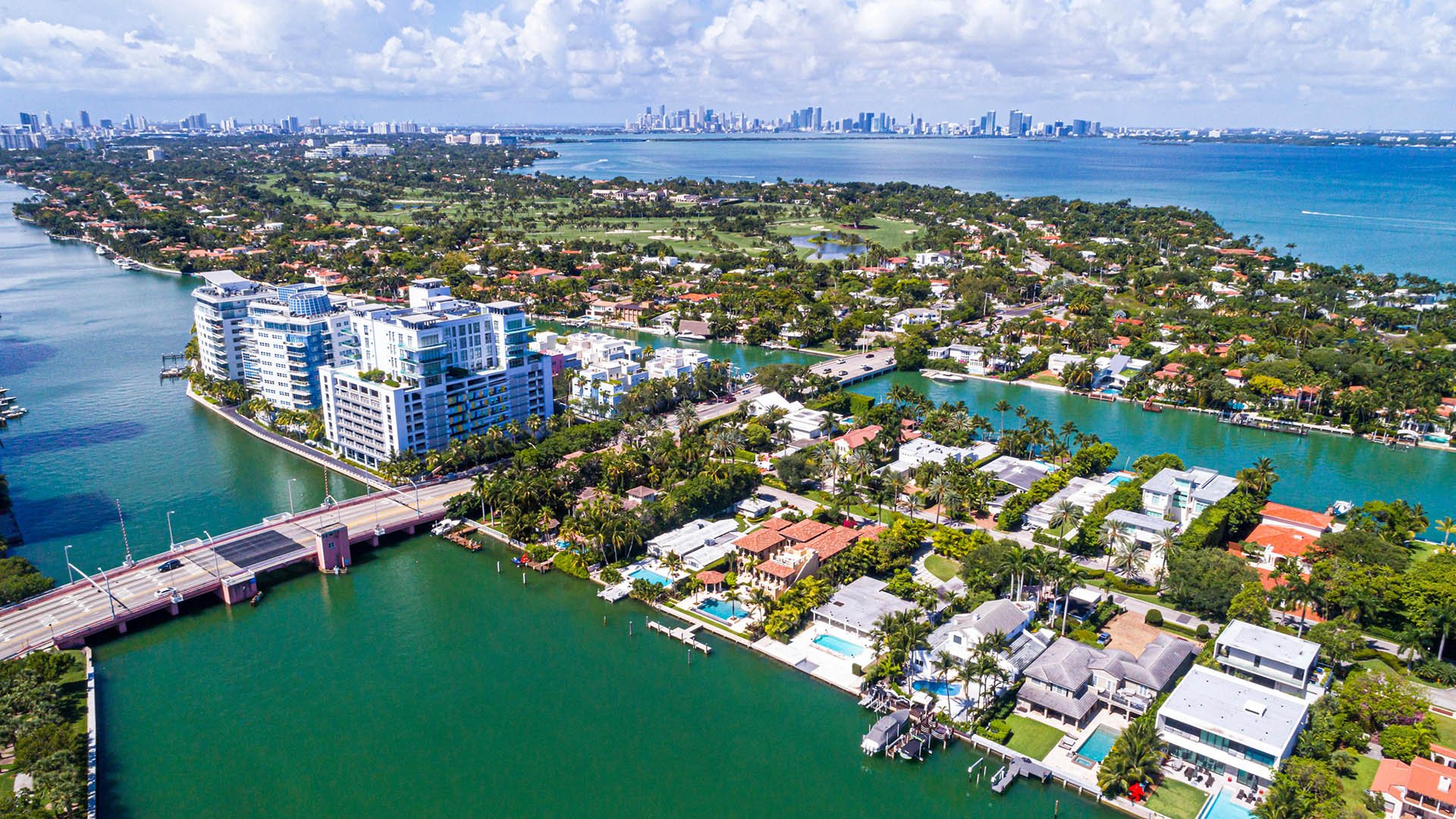
For an international buyer, acquiring a Miami Beach residence may involve multiple capital commitments rather than one exchange of funds. A contract can divide the purchase obligation into deposits and a final closing payment, with the executed documents establishing the amounts, triggers, deadlines, and escrow provisions.
The first step is to turn those obligations into a working capital calendar. Each entry should identify the contractual trigger, expected dollar requirement, intended funding source, conversion lead time, and wire process. This allows the buyer and advisers to identify potential pressure points before funds are due.
The true capital plan is the entire sequence of obligations, not the first deposit.
A buyer whose wealth is held outside the United States should evaluate each dollar payment separately. Exchange-rate movement can alter the amount of home currency needed for an installment even when the contractual dollar obligation remains unchanged.
The funding plan should follow the signed payment schedule rather than assumptions about a particular development. That principle applies when evaluating The Perigon Miami Beach, Five Park Miami Beach, or another Miami Beach residence. The executed documents-not the project name-control the buyer’s obligations.
Instead of treating currency conversion as a single market-timing decision, buyers can review the timing and funding source for every payment with qualified foreign-exchange, legal, tax, and banking advisers. Bank compliance, proof-of-funds requests, account limits, wire instructions, and time-zone differences should be addressed early enough to avoid preventable execution problems.
Deposit funds should be tracked separately from closing equity, transaction expenses, lender-required liquidity, and contingency capital. Combining these categories can make the acquisition appear better funded than it is.
A buyer comparing Shore Club Private Collections Miami Beach with another Miami Beach property should ask the prospective lender to document underwriting conditions and reserve expectations. Preliminary financing discussions should not be treated as guaranteed closing proceeds.
Securities-backed credit may provide liquidity without an immediate sale of pledged investments, but its suitability depends on the facility’s terms and the borrower’s broader financial position. The buyer should review interest-rate exposure, collateral requirements, borrowing capacity, repayment expectations, and the consequences of a decline in pledged assets with qualified advisers.
Any bridge facility should complement a durable liquidity plan rather than replace one. A prudent review asks whether the purchase remains fundable if borrowing becomes more expensive, collateral supports less credit, or repayment must occur sooner than expected.
An appraisal gap arises when the property’s appraised value is below the contract price. If financing proceeds are affected, the buyer may need another source of cash or credit to complete the purchase, subject to the contract and lender terms.
This risk should be considered before deposits are committed. When reviewing The Ritz-Carlton Residences® Miami Beach, buyers should ask how property eligibility, appraisal review, and final underwriting could affect available financing. A financing indication is not the same as fully approved closing funds.
The appraisal-gap reserve should remain distinct from scheduled deposits and any post-closing liquidity required by the lender. Buyers should also review the contract with counsel to understand available protections, deadlines, and consequences if financing or valuation differs from expectations.
A practical acquisition plan places the contract schedule, currency conversions, credit availability, and mortgage process on one timeline. It assigns a primary and backup funding source to each material obligation without counting the same asset twice.
The plan should then be stress-tested against overlapping pressures: an unfavorable currency move, higher credit costs, reduced securities-backed capacity, delayed financing, or a valuation below the contract price. The purpose is not to predict which event will occur, but to determine whether the closing remains manageable if several pressures emerge together.
This integrated approach also clarifies when professional decisions must be made. Counsel can interpret the contract and offering documents, tax advisers can assess cross-border implications, banking teams can prepare transfers, and lending professionals can explain underwriting requirements.
Before signing, appropriate counsel should review the offering documents, escrow terms, default provisions, milestone definitions, and closing obligations. The buyer should confirm the required payment currency, proof-of-funds process, receiving account instructions, and compatibility between the intended financing and the selected property.
The private bank or lender should explain reserve requirements and the conditions affecting any securities-backed facility. The receiving bank should verify wire procedures, and the buyer should maintain contingency liquidity after accounting for every scheduled payment.
For discreet guidance on structuring a Miami Beach acquisition, connect with MILLION.
If branded residences are on your mind — as a home or as an allocation — we would be glad to share what we are seeing, privately.
Begin a quiet conversationThe contract may establish separate deposits and closing obligations. Mapping each requirement helps the buyer coordinate funding, currency conversion, and transfer logistics.
It should identify each contractual trigger, expected dollar requirement, funding source, conversion lead time, and wire process.
Each payment may require dollars at a different time. Currency movement can therefore change the home-currency cost of individual obligations.
They should be reviewed before funds are due. Early preparation can address bank compliance, proof-of-funds requests, transfer limits, and account instructions.
Closing equity, transaction expenses, lender-required liquidity, and contingency capital should be tracked separately from deposit funds.
It may provide bridge liquidity against pledged investments. Its terms, collateral requirements, and repayment risks should be reviewed with qualified advisers.
The buyer should consider higher borrowing costs, reduced collateral value, lower credit capacity, and an earlier-than-expected repayment need.
An appraisal gap occurs when the appraised value is below the contract price. It may create an additional cash or credit requirement, depending on the lender and contract.
Property eligibility, appraisal review, documentation, and final underwriting may affect the financing available at closing.
The buyer may need coordinated guidance from legal, tax, foreign-exchange, banking, and lending professionals.