In Coral Gables, buyers can evaluate security as an operating system rather than a visible amenity by examining staffing, access controls, waterfront exposure, privacy rules, emergency entry procedures, governance and recurring costs.
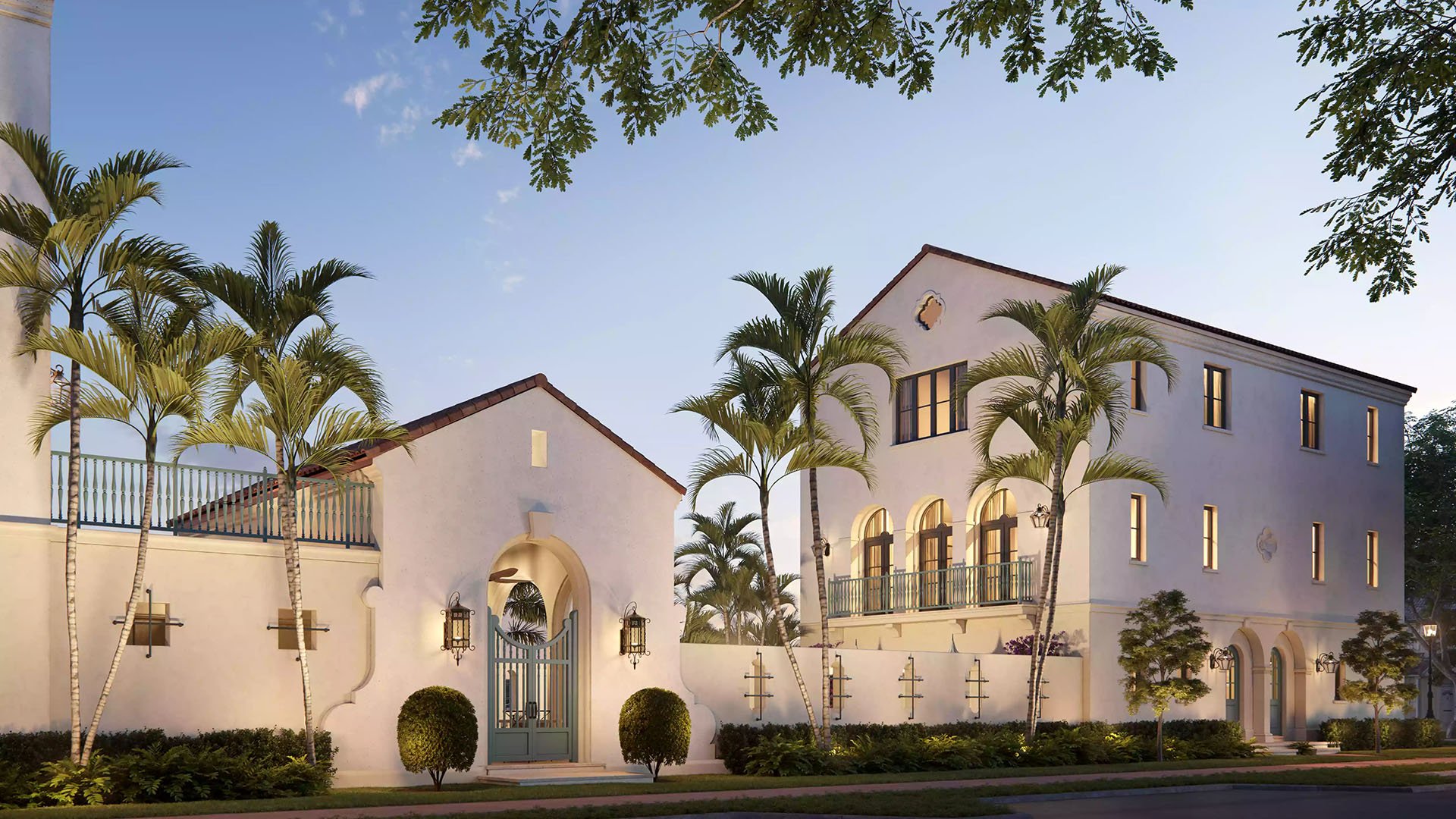
In Coral Gables, privacy may begin with landscaping, setbacks and controlled entry, but those elements alone do not explain how a security program operates. During due diligence, buyers can determine whether entry relies on a keypad, call box, transponder or staffed screening and whether visitor activity is documented.
That distinction can affect the ownership equation. Alongside architecture and land, buyers may be accepting operating rules, recurring assessments and a particular balance between discretion and convenience. Security therefore deserves scrutiny alongside insurance, title and physical condition.
Broad perceptions about safety should not replace a review of the individual property. The practical questions concern access discipline, parking, deliveries, credential management, privacy and any exposure unique to the site.
Buyers should request current documents and direct answers rather than infer performance from gates, cameras or other visible equipment. The objective is to understand how the system works in daily life and who is accountable for it.
Gated-community diligence should map vehicle lanes, pedestrian gates, service access, garages and any other approach to the property. Ask when staff are present, how visitors are verified, whether entries are logged, how resident credentials are issued and revoked, and what areas patrols are intended to cover.
For estate and single-family acquisitions, owners should also consider how the protocol accommodates household staff, contractors, deliveries and frequent guests. Restrictive authorization may strengthen control while adding daily friction. Buyers considering The Village at Coral Gables can apply the same principle by evaluating the lived access sequence rather than only the appearance of the arrival.
Emergency entry also belongs in the review. Buyers should confirm that a maintained process exists for first responders without requesting sensitive operational details.
Waterfront privacy cannot be evaluated solely from the road. Canals, docks and seawalls may create additional approaches to a residence and its vessels.
Buyers should ask the responsible association, community or property representative what areas fall within the security perimeter, how water access is managed and which procedures are subject to change. Any answer should be verified through current governing and operating materials.
A condominium requires a different perimeter map. Follow the route from the street through the lobby, parking area, elevator, amenities and storage to the residence. At each transition, identify whether access depends on staff, a credential, a physical key or an unrestricted connection.
That exercise is relevant when evaluating residential choices such as Ponce Park Coral Gables and Cora Merrick Park. Building-specific staffing, camera, credential and privacy policies should be confirmed through current association or property materials. Buyers can also ask who may review access records, how retention is handled and how lost credentials are disabled.
The entity responsible for security can shape accountability, budgeting and an owner’s ability to influence future service levels. Buyers should identify that entity and determine how operating decisions and costs are approved.
Before making an offer, review available governing documents, current assessments, budgets, visitor rules, patrol scope, camera policies and any waterfront rights affecting use or cost. Look for defined processes to add or remove household staff, authorize vendors, replace credentials and report incidents.
The final measure is fit. A protocol may be robust yet poorly suited to an owner who entertains often or manages a complex household. Conversely, frictionless access may conflict with the privacy expected of a significant residence. The goal is alignment among staffing, technology, governance and daily routines.
Does a gate mean a Coral Gables community has staffed screening? Not necessarily. Buyers should confirm how the gate operates, when staff are present and how visitors are handled.
What should buyers verify about guard coverage? Ask about staffing schedules, visitor procedures, patrol scope and recordkeeping. Confirm the answers through current property or association materials.
Why is a property-specific security review important? Each property has a distinct combination of entrances, parking areas, service routes and operating practices. Visible equipment alone does not explain how those elements are managed.
Why are credential policies important? Buyers should understand how credentials are issued, tracked, replaced and revoked. The process should also address former staff and lost devices.
What makes waterfront security different? Docks, canals and seawalls may extend the practical perimeter beyond the street. Due diligence should therefore include water access and any related operating rules.
What is the essential condominium security test? Walk the complete route from curb to residence, including parking, elevators, amenities and storage. Identify how access is controlled at every transition.
Can visitor rules affect daily life? Yes. Authorization procedures may influence deliveries, events, contractors, household staff and spontaneous guests.
How should emergency access be reviewed? Confirm that a maintained first-responder entry process exists. Buyers do not need sensitive operational details to verify that responsibility is assigned.
What security costs should buyers investigate? Review current assessments, budgets and governing materials to identify who pays, who approves changes and what services are included.
What privacy questions belong in due diligence? Ask who may access visitor and credential records, how retention is handled and how policies may be changed.
For a discreet conversation and a curated building-by-building shortlist, connect with MILLION.
If branded residences are on your mind — as a home or as an allocation — we would be glad to share what we are seeing, privately.
Begin a quiet conversation