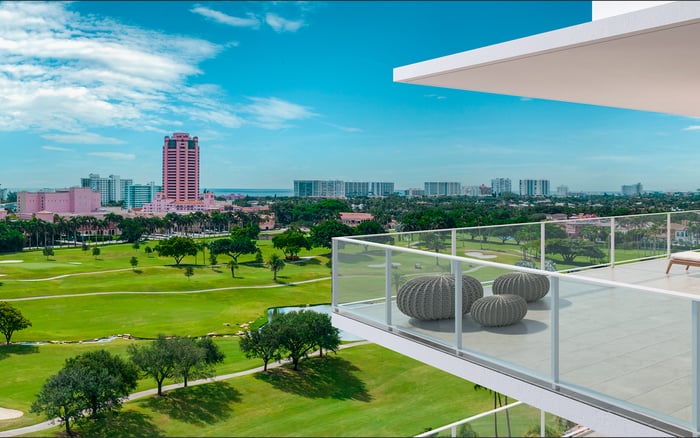
A due-diligence framework for Boca Raton collectors evaluating art storage, lighting, environmental controls, monitoring, and the potential operating scope of a residence.
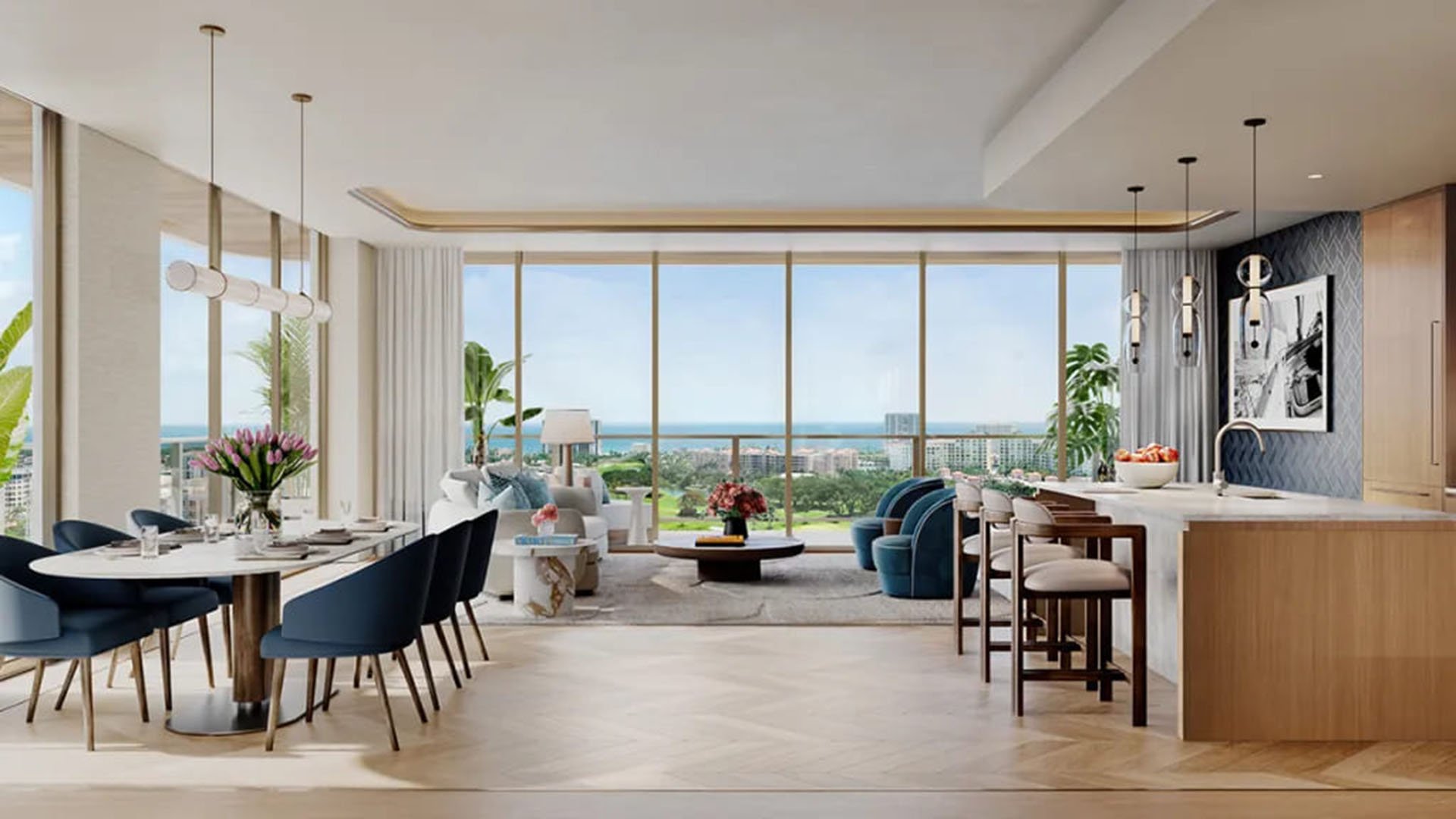
For a collector buying in Boca Raton, architectural appeal is only one part of the decision. Due diligence should also consider where works could be displayed or stored, how environmental conditions would be monitored, and what procedures would apply during an extended absence or equipment interruption.
When comparing Alina Residences Boca Raton with other local options, review plans and finish schedules alongside mechanical zoning, glazing documentation, shade locations, prospective art walls, and available monitoring systems. Any collection-specific requirements should be confirmed with qualified building professionals and an appropriate art specialist.
Begin by identifying the requirements of the collection rather than relying on a single general target. Different works may call for different approaches, and unusual or mixed-media pieces may warrant guidance from a conservator.
Request available HVAC specifications, maintenance records, sensor information, and historical environmental logs. Ask whether collection areas can be managed independently and how alerts, service, and backup procedures would work. A brief reading taken during a visit should be treated as one input rather than a complete performance record.
At Glass House Boca Raton, as with any residence being evaluated for a collection, buyers should verify documented capabilities instead of relying on broad descriptions. The review should address controls, maintenance access, monitoring, and the feasibility of any desired modifications.
Map the walls intended for display and observe how daylight reaches them at different times during the inspection process. Request glazing documentation and review the location and operation of shades before committing to a hanging plan.
Electric lighting should be considered with the art layout, furniture plan, ceiling conditions, controls, and electrical design. Buyers considering The Residences at Mandarin Oriental Boca Raton can use this coordinated review to distinguish visually prominent walls from locations better suited to sensitive works.
Any proposed film, fixture, shade, or control change should be evaluated for compatibility with the residence and applicable building requirements. Product performance should be confirmed through current documentation rather than assumed.
A buyer may wish to compare general living-area storage with a separate conditioned room. The analysis can include room location, daylight, environmental control, monitoring, security, shelving or racking, and the route used to move works into and through the residence.
Off-site storage can also be evaluated as part of a broader collection plan. The decision should reflect the collection, the owner's occupancy pattern, access preferences, transportation arrangements, and professional advice.
When reviewing Mr. C Residences Boca Raton, consider display and storage together. Confirm access routes, elevator procedures, staging options, loading arrangements, and any building rules directly with the appropriate representatives before purchase.
The ownership plan may need allowances for specialist assessments, controls, sensors, shades, lighting adjustments, filtration, storage improvements, maintenance, transportation, and professional storage. Scope and cost should be established from property-specific documentation and qualified proposals rather than generalized assumptions.
A useful pre-purchase review connects the collection plan with architecture, building systems, access, and ongoing operations. The objective is to understand what is already supported, what may require approval or modification, and what responsibilities would continue after closing.
What should a Boca Raton collector review before buying? Review prospective art walls, storage areas, environmental controls, monitoring, glazing, shades, lighting, access routes, and relevant building procedures.
How should environmental requirements be established? Use the needs of the specific collection and seek guidance from an appropriate conservator or specialist when necessary.
What HVAC information should a buyer request? Ask for available system specifications, zoning details, maintenance records, sensor information, environmental logs, and alert procedures.
Is a thermostat reading enough for due diligence? Treat it as one observation and review longer-term records and system documentation when available.
How should glass and daylight be evaluated? Map intended display walls, observe exposure during the inspection process, and request documentation for glazing and shade systems.
What belongs in an art-lighting review? Consider fixture locations, controls, electrical plans, furniture layouts, ceiling conditions, and the requirements of each work.
When should a separate art room be considered? Consider one when the collection plan calls for dedicated storage, independent controls, limited daylight, or specialized monitoring.
Should off-site storage be part of the plan? It can be evaluated based on the collection, occupancy pattern, access preferences, transportation needs, and specialist advice.
What access details should be confirmed? Verify elevator procedures, loading arrangements, staging space, movement routes, scheduling requirements, and applicable building rules.
Which expenses should be included in purchase planning? Consider specialist reviews, monitoring, controls, lighting or shade work, storage improvements, maintenance, transportation, and professional storage based on documented needs.
For a tailored shortlist and next-step guidance, connect with MILLION.
If branded residences are on your mind — as a home or as an allocation — we would be glad to share what we are seeing, privately.
Begin a quiet conversation