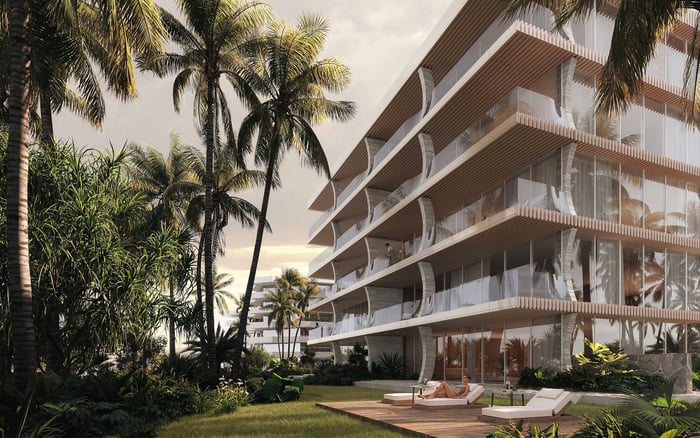
Shorecrest’s advertised wellness features offer a starting point for due diligence, not a substitute for it. Buyers should distinguish fresh-air and filtration promises from contractual specifications, installed equipment, and measured performance, particularly when evaluating lighting claims.
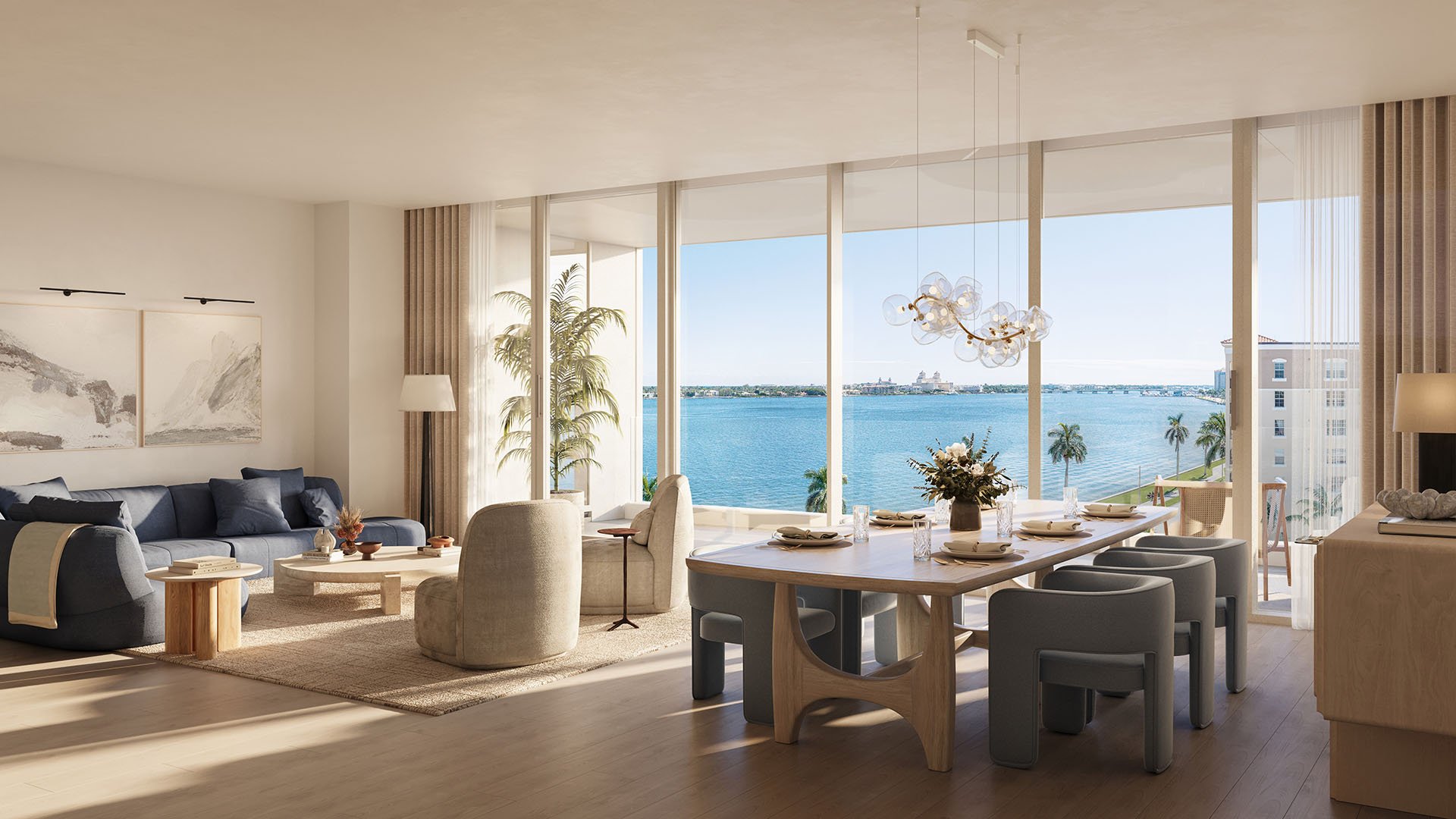
Waterfront living offers an immediate visual promise. A residence’s less visible qualities-ventilation, water treatment, and lighting controls-deserve equally deliberate scrutiny. At Shorecrest Flagler Drive West Palm Beach, the planned 28-story, 98-residence condominium on North Flagler Drive, advertised wellness features give buyers specific commitments to examine before purchasing.
Those features include ducted fresh air with multiple filtration points, multi-zone climate control, filtered water, low-VOC materials, green cleaning, and Lutron automation. They are not interchangeable evidence of indoor environmental performance.
The central distinction is between what is advertised, what is contractually specified, and what is measured after installation. A compelling description opens the conversation; a unit-specific specification and a clear verification plan make it useful to a purchaser.
These technical descriptions are dated 2024. Buyers should request current specifications for their particular residence rather than assume every earlier feature remains unchanged in later sales or construction documents.
Ask the sales team to identify where each wellness commitment appears in the purchase package. Then have counsel review the relevant purchase and condominium documents, including provisions governing equipment substitutions, maintenance obligations, costs, and warranties. This is especially important when a feature relies on both common building infrastructure and in-residence components.
Keep three categories separate: standard delivery, paid options, and owner-installed improvements. A discussion of possible upgrades does not establish what the developer is obligated to deliver.
Buyers also considering Alba West Palm Beach should make the same document requests independently. A consistent comparison assesses the specificity of each commitment without assuming different projects share equipment or performance.
The advertised air systems include “ducted fresh air with multiple filtration points,” vertical heat pumps, and multi-zone climate control. These descriptions identify design features; they do not establish filter ratings, measured ventilation rates, or verified indoor air quality.
Request the HVAC basis of design, a fresh-air delivery diagram, ventilation targets, and filter schedules. The schedules should identify MERV ratings, filter locations, and replacement access. Ask a qualified mechanical consultant to explain how the proposed equipment serves your residence and which details still require confirmation.
Next, request commissioning documentation when available. Design and independent commissioning serve different functions; identifying a project engineer does not establish that installed systems have undergone independent performance verification. Before completion, clarify what testing is planned and when buyers can review the results.
Maintenance deserves equal attention. Establish who services central equipment, who replaces in-unit filters, and where those obligations are documented. Ask how service access will work once the interiors are furnished.
Low-VOC materials and green cleaning are also advertised. Request the applicable material and cleaning specifications rather than treating those labels as measured air-quality results. Hurricane-rated windows and glass doors are a separate advertised feature, not evidence of filtration performance.
“Filtered water” is a starting point, not a specification of treatment technology, equipment, or the fixtures served. Buyers should not interpret the phrase as a whole-residence promise without supporting documentation.
Request plumbing schematics and equipment cut sheets identifying whether treatment occurs at the building entry, individual fixtures, or both. Have the team identify the outlets served, including whether the commitment extends beyond a particular drinking-water location. Ask for the specified equipment’s documented contaminant-reduction capabilities rather than assuming a particular result.
The ownership questions are practical: who replaces treatment components, who pays, what warranties apply, and where are these obligations recorded? Counsel should review those commitments alongside the technical information.
After installation, a qualified consultant can compare the equipment with the specifications and advise on appropriate water testing. A spot result is not proof of sustained performance. Nor does the presence of filtration establish a conclusion about local municipal water safety.
The advertised Lutron home automation covers lighting and thermostat controls. The residential lighting description also identifies a combination of recessed lighting and junction boxes intended to provide layout flexibility. Neither description explicitly establishes circadian lighting or tunable-white fixtures as standard residential features.
Verification should therefore begin with hardware. Request the unit-specific fixture and control schedules, Lutron model numbers, and documented color-temperature capabilities. Ask which fixtures are included at delivery and which junction boxes are intended for later owner selections.
Programming is a separate inquiry. Request details of any included time-based scenes and ask for a demonstration using the specified fixtures and controls. Establish what is standard, what requires additional equipment, and what would be owner-installed. Obtain pricing and warranty implications before treating customization as part of the purchase.
All 98 residences are marketed with waterfront views, but views alone do not establish indoor lighting performance. Similarly, the Equinox partnership concerns curated amenities and services; it is not proof of a residential circadian-lighting system or sleep benefits.
If circadian performance is a priority, ask a qualified lighting consultant to define the proposed assessment and evaluate the delivered installation. Assess automation for its documented capabilities, not presumed health outcomes.
Before signing, assemble a concise schedule covering each feature, the governing document, the proposed equipment, the verification step, and the party responsible for upkeep. Identify unresolved items explicitly with your advisers rather than letting verbal assurances stand in for specifications.
Before completion, ask when commissioning records, equipment information, and demonstrations can be reviewed. After installation, have qualified consultants compare delivered systems with the agreed specifications and consider appropriate air and water testing. Keep a satisfactory inspection distinct from continuing performance.
A buyer weighing Forté on Flagler West Palm Beach alongside Shorecrest can apply the same checklist without presuming equivalent wellness provisions. The comparison is more useful when each residence is evaluated against its own documented commitments.
Shorecrest’s advertised package gives buyers meaningful subjects for due diligence. The descriptions do not establish filter ratings, measured ventilation, water-contaminant removal performance, independent commissioning results, or verified circadian-lighting outcomes. That distinction is not a verdict on the eventual installation; it defines what a careful purchaser should seek to confirm.
The objective is to understand what will be delivered, how it will be checked, and who will keep it operating. For a residence intended to feel effortless, those details deserve attention before the interiors take precedence.
For a discreet perspective on your South Florida residential search, explore MILLION.
If branded residences are on your mind — as a home or as an allocation — we would be glad to share what we are seeing, privately.
Begin a quiet conversationShorecrest advertises ducted fresh air with multiple filtration points, vertical heat pumps, and multi-zone climate control. Those descriptions do not establish filter ratings or measured air quality.
Request the HVAC basis of design, fresh-air delivery diagram, ventilation targets, and filter schedules showing ratings, locations, and replacement access. Ask for commissioning documentation when available.
No. Engineering design and independent commissioning are different functions, so buyers should separately request documentation of installation testing and performance verification.
The advertised wording does not establish which fixtures are served. Plumbing schematics and equipment cut sheets should clarify treatment locations, technology, and outlet coverage.
Buyers should confirm the division of responsibilities between central equipment and in-residence components. Counsel should review maintenance obligations, replacement costs, and warranties in the relevant documents.
The advertised residential lighting descriptions do not explicitly identify circadian lighting or tunable-white fixtures as standard features. Buyers should request current, unit-specific hardware and programming details.
No. Advertised lighting and thermostat automation does not establish a verified circadian system or sleep benefits.
Request the fixture and control schedules, Lutron model numbers, color-temperature capabilities, and any included time-based scenes. Ask for a demonstration using the specified equipment.
No. Post-installation testing can help assess conditions, but a spot test does not prove sustained performance or replace a maintenance plan.
The technical descriptions of these features are dated 2024. Current purchase and construction documents should be checked rather than assuming earlier specifications remain unchanged.