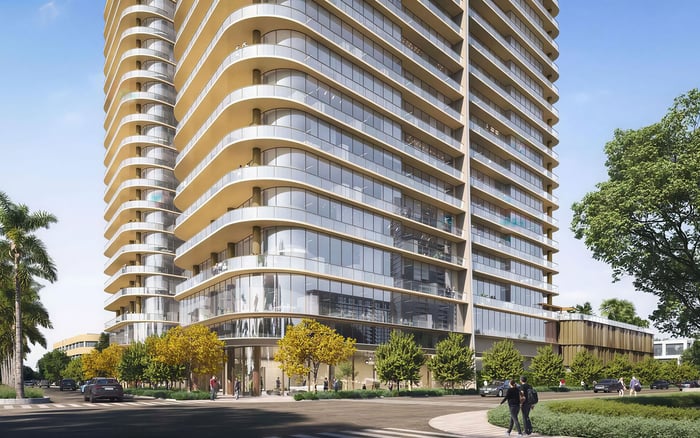
Kempinski's Miami debut presents a substantial wellness narrative, but buyers should distinguish visible amenities from unverified building systems. This guide identifies the documents, specifications, contractual language, commissioning records, and post-installation tests that can turn air, water, and lighting promises into measurable residential value.
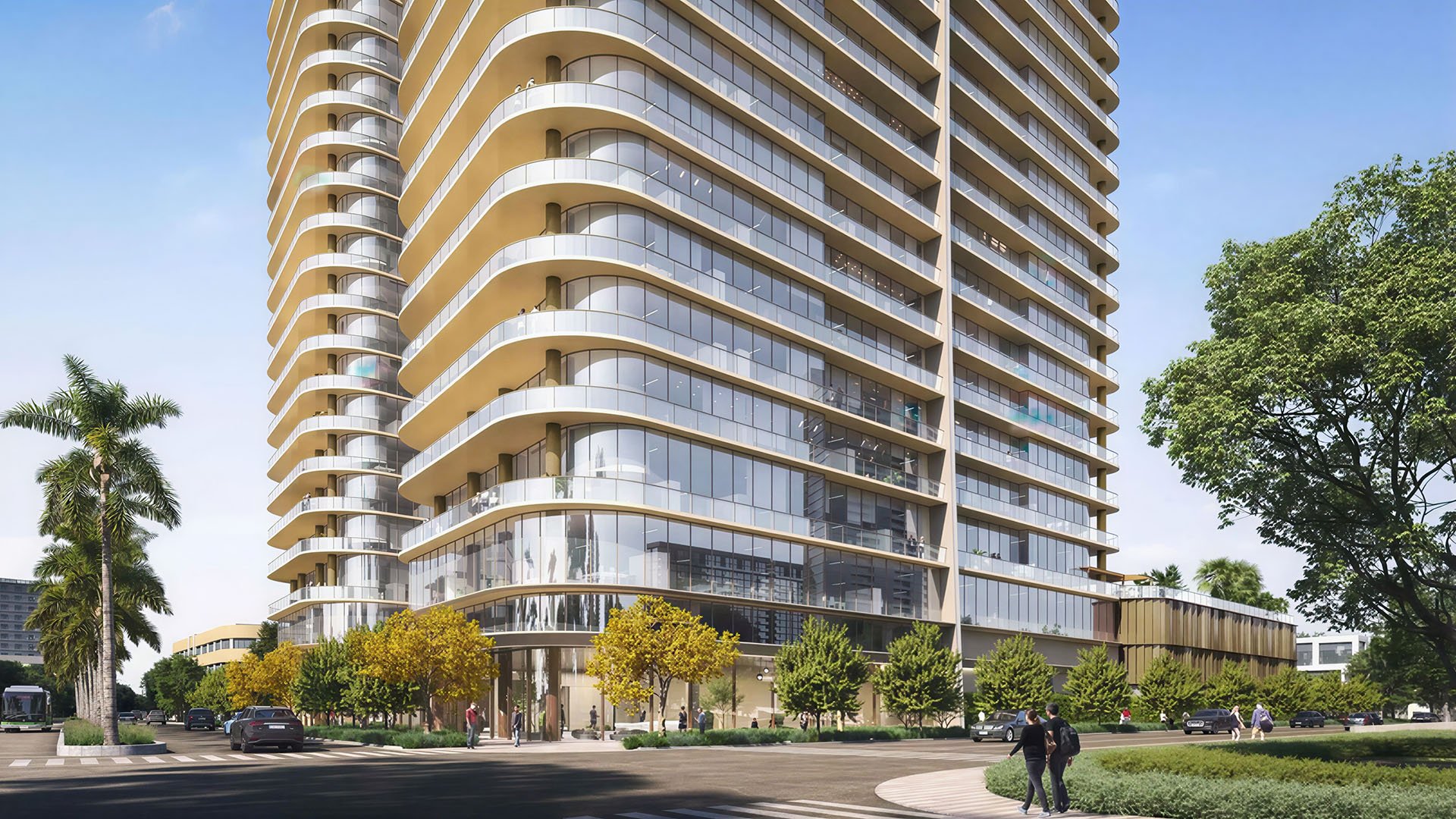
At Kempinski Residences Miami Design District, the proposition begins with scale and pedigree. Planned for 3801 and 3883 Biscayne Boulevard, the development comprises two towers with 132 private residences, six townhomes, and 17 guest suites reserved for residents. It also marks Kempinski's U.S. debut in branded residences.
The physical concept supports a sophisticated lifestyle narrative. A health-and-wellness North Tower and a social-and-entertainment South Tower are connected by an elevated amenity level. Announced offerings include a fitness center, spa and recovery zones, a lap pool, cold plunge, infrared and steam saunas, and outdoor training areas. Homes are marketed as all-corner residences with more than 100 feet of glass, expansive terraces, and broad Biscayne Bay and skyline views.
Those attributes are meaningful, but they do not answer whether a residence will receive purified air, filtered water, or dynamic circadian light. Natural light and ventilation can enrich tropical architecture without documenting mechanical purification. Terrace access does not establish outdoor-air rates, and a beautiful lighting package is not necessarily a circadian system.
In luxury housing, wellness becomes valuable when its scope and performance can be verified.
The published description substantiates experiential wellness more clearly than technical performance. Buyers can identify where exercise, bathing, heat, cold, and recovery are intended to occur. They can also understand the two-tower organization and the visual emphasis on glass, views, and outdoor living in the Design District.
What remains publicly unspecified is equally important. Current materials do not publish filter ratings, HEPA specifications, outdoor-air rates, purification-equipment models, or details of in-residence air-quality monitoring. They do not identify whole-building water treatment, point-of-use filtration, targeted contaminants, NSF/ANSI certifications, or filter-maintenance requirements. Nor do they disclose programmed changes in lighting color temperature or intensity that would verify a circadian system.
This does not prove that such systems will be absent. In a pre-construction purchase, it means the buyer should not assign value to them until project-specific evidence is available. The distinction matters for both personal use and investment analysis because equipment scope, replacement costs, operating responsibility, and measurable performance can differ materially.
Begin with the final mechanical schedules and equipment submittals for the selected residence and relevant common areas. These documents should identify the filtration or purification equipment, its position in the air path, the spaces it serves, and any published performance rating. Ask whether ventilation and recirculated air are treated differently, and whether monitoring is installed inside each home or only in shared spaces.
Scope is crucial. A filtration device serving a wellness suite is not equivalent to treatment within every residence. Likewise, portable equipment differs from a ducted system. The buyer's review should establish who replaces filters, how frequently maintenance is required, whether access occurs inside the home, and which costs are included in common charges or borne by the owner.
Commissioning records should then confirm that the installed equipment matches approved submittals and operates as intended. After completion, independent testing can provide a practical performance check rather than relying solely on model numbers.
The phrase “water filtration” can describe markedly different systems. Treatment may occur where water enters the property, within a tower, inside an individual residence, or at selected taps. It may cover drinking water alone or extend to bathing and laundry.
Request final plumbing schedules, equipment submittals, a diagram of the treatment path, and written identification of the fixtures served. If certifications or contaminant-reduction claims are promised, the exact standards and equipment models should appear in the documentation. Buyers should also establish cartridge life, replacement procedures, storage requirements, leak safeguards, and responsibility for ongoing service.
The distinction is visible elsewhere in Miami's wellness market. The Well Bay Harbor Islands describes circadian lighting alongside ducted air and water purification in every residence. This comparison does not establish what Kempinski will deliver, but it demonstrates the degree of system-specific language a buyer can reasonably request.
Abundant daylight is desirable, especially in corner homes with extensive glazing, but it is not the same as circadian lighting. A verifiable system should involve programmed changes in color temperature throughout the day, potentially accompanied by shifts in intensity. Decorative fixtures, dimmers, and scenes labeled morning or evening do not, by themselves, establish that function.
Ask for the final lighting schedule, fixture and control-system submittals, programmed sequence, user controls, and list of rooms included. Confirm whether automation is delivered and commissioned or merely capable of being added later. The review should also address manual overrides, owner customization, replacement compatibility, and what happens if the control platform requires future servicing.
The Well Coconut Grove offers another useful benchmark because its residential proposition explicitly pairs medical-grade HEPA filtration and purification with circadian lighting tuned to natural light cycles. The lesson is not that every project must use identical technology. It is that precise language can distinguish a complete residential system from a general wellness theme.
For new-construction purchases, sales conversations and renderings should lead to written obligations. If air purification, water filtration, or circadian lighting influences the purchase decision, counsel should review whether the promise appears in binding purchase documents, exhibits, specifications, or approved addenda. The wording should identify the location, scope, equipment or performance standard, and any permitted substitution rights.
A disciplined request package can include final mechanical, plumbing, and lighting schedules; equipment submittals; control narratives; commissioning records; maintenance obligations; warranty terms; and independent post-installation testing. It should distinguish private residences from common areas, and selected fixtures from whole-building infrastructure.
The result is more than technical reassurance. It protects the integrity of the purchase thesis. Kempinski's spa, recovery, fitness, pool, glass, and terrace experience already create a coherent luxury setting. Air, water, and light should be valued separately-and only when their specifications, delivery, and upkeep are equally clear.
For discreet guidance on evaluating South Florida's most considered residential opportunities, connect with MILLION.
If branded residences are on your mind — as a home or as an allocation — we would be glad to share what we are seeing, privately.
Begin a quiet conversationCurrent public materials do not specify filter ratings, HEPA equipment, purification models, outdoor-air rates, or in-residence monitoring.
Current materials do not identify whole-building treatment, point-of-use filtration, targeted contaminants, certifications, or maintenance requirements.
A programmed system with changing color temperature or intensity is not disclosed in the current public project description.
No. Circadian lighting should dynamically follow the daily cycle through programmed changes in color temperature, and potentially intensity.
Request final mechanical schedules, equipment submittals, system scope, maintenance obligations, commissioning records, and post-installation test results.
Obtain plumbing schedules and treatment diagrams identifying whether filtration serves the building, residence, selected fixtures, drinking water, bathing, or laundry.
It should identify fixtures, controls, covered rooms, programmed sequences, user overrides, commissioning, and servicing requirements.
Filter and cartridge replacement affects recurring cost, access, system performance, and whether responsibility belongs to the owner or association.
Yes. Any feature material to the purchase should be incorporated into binding documents, specifications, exhibits, or an approved addendum.
No. It means their specifications and scope cannot yet be verified from the current published materials.