A Luxembourg sale can underpin a Surfside purchase, but liquidity, portfolio borrowing and appraisal protection require separate decisions. A disciplined plan aligns net proceeds with closing obligations while preserving carefully negotiated buyer protections.
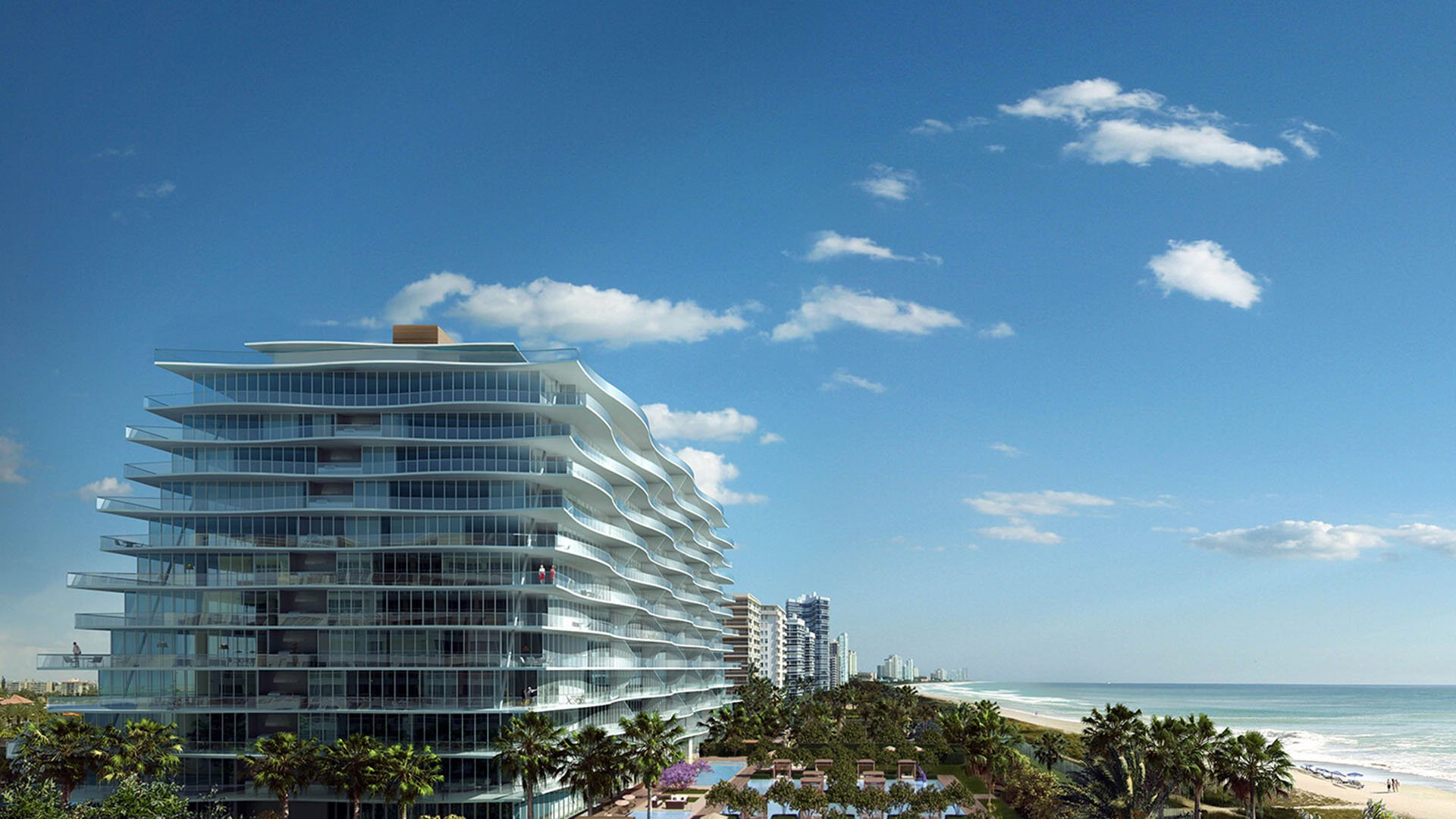
Buying in Surfside after selling in Luxembourg is more than a transfer of wealth from one residence to another. It requires coordinating sale proceeds, purchase obligations and the protections written into a Florida contract. The objective is to reach closing with dependable liquidity, without taking on unnecessary portfolio or valuation risk.
For a buyer considering Arte Surfside, the first decision should come before the offer: which funds will meet each contractual obligation, and when will they be available? A compelling residence deserves a capital plan that does not depend on every moving part falling perfectly into place.
Treat the purchase as three separate decisions. Establish the net proceeds available from Luxembourg, choose whether to spend or borrow, and negotiate the valuation risk you are prepared to retain. A cash offer does not eliminate the need for appraisal protection.
Start with the amount you can deploy, not the Luxembourg sale price. Ask your advisers to reconcile expected proceeds with any repayment obligations, transaction expenses and tax reserve relevant to your circumstances. Then confirm when those funds will be available against the Surfside contract’s payment dates.
Capital gains on the sale of a qualifying Luxembourg main residence are generally exempt from Luxembourg income tax. Qualifying status matters: personal ownership or occasional use alone should not be taken to establish that treatment.
For other privately held real estate, treatment depends on the holding period. Speculative gains are generally subject to progressive taxation, while longer-held property may receive reduced-rate treatment. Acquisition and disposal dates therefore belong in the calculation from the outset.
Avoid applying a generic two-year or five-year rule. A temporary holding-period derogation applied to transfers between January 1 and June 30, 2025, underscoring why the actual disposal date and applicable provisions require individual review. Luxembourg treatment also does not settle obligations in any other relevant jurisdiction.
Finally, obtain transaction-specific confirmation of currency-conversion costs and transfer arrangements. Build the purchase budget around confirmed net dollar availability, not an assumed exchange outcome or transfer timetable.
A cash purchase, as presented to the seller, is not necessarily a debt-free purchase. A buyer may obtain liquidity through securities-backed borrowing rather than a mortgage on the residence. The purchase terms and the buyer’s borrowing obligations remain separate matters.
When assessing Fendi Château Residences Surfside, distinguish the offer you want to make from the funding commitments you can reliably meet. Your attorney should ensure that the contract accurately states which contingencies are retained and which are waived. A private funding plan is no substitute for contractual protection.
Compare three approaches with your advisers: use available sale proceeds, sell portfolio holdings, or borrow against eligible assets. Evaluate each against the same questions: what cash is available, what obligations remain afterward, and what happens if anticipated repayment funds arrive late?
Choose the approach whose risks you can absorb, not simply the one that avoids an immediate securities sale.
A securities-backed line of credit is a revolving loan secured by marketable securities and, in some cases, cash or cash equivalents held with the custodian. It can provide purchase liquidity without an immediate sale of holdings. The borrower retains ownership while granting the lender a security interest.
That flexibility comes with market exposure. Portfolio volatility can reduce borrowing capacity and create collateral-call risk. A bridge intended to simplify closing can become less dependable if pledged assets decline before purchase funds are needed.
Before relying on the facility, obtain written lender terms covering eligible collateral, borrowing capacity, pricing, permitted uses and collateral-call provisions. Have the lender explain how a decline in the pledged portfolio would affect the proposed draw. An indicative discussion is not a substitute for confirmation specific to your account.
Plan the exit as carefully as the draw. If Luxembourg proceeds will repay the line, examine what happens if they are delayed or lower than expected. Identify a separate liquidity reserve and ask your advisers whether it would remain accessible during a collateral call. Preserving investments is useful only if the resulting debt remains manageable.
The FR/Bar financing contingency turns on an appraisal or alternative valuation satisfactory to the lender. It does not automatically promise an appraisal equal to the purchase price. Financing approval and protection against paying above appraised value are distinct matters.
The separate Appraisal Contingency Rider F, also described as Addendum F, can protect a buyer against a low appraisal regardless of whether financing is approved. A cash purchase can also include appraisal protection, provided the parties agree to the relevant language.
The rider specifies a required valuation and an appraisal deadline, with the buyer paying for an appraisal by a licensed Florida appraiser. If the valuation falls below the specified amount, cancellation without penalty depends on meeting the addendum’s requirements. Have counsel confirm the applicable notice and delivery obligations before signing.
For a residence under consideration at The Surf Club Four Seasons Surfside, the practical question is not whether an appraisal can be ordered, but what the signed contract allows you to do with the result. Do not assume that any particular contract form or rider is offered or accepted for a specific purchase.
A low appraisal calls for a decision; it does not trigger an automatic price reduction. The principal options are to seek a lower price, contribute additional cash where financing requires it, or cancel if the contract permits. The seller is not automatically obliged to renegotiate.
Without applicable appraisal protection, the valuation alone does not guarantee a right to cancel and recover the deposit. For a cash buyer, the immediate concern may be the price paid rather than a lender’s funding shortfall, but the contractual distinction remains important.
Limited appraisal-gap coverage offers a more defined approach than a blanket waiver. It commits the buyer to cover a specified shortfall rather than an unlimited gap. Ask counsel to make both the cap and its interaction with cancellation rights explicit.
Whether your search includes Ocean House Surfside or another residence, set that limit before negotiations become emotionally charged. Your final plan should align confirmed proceeds, documented borrowing terms and contract deadlines, with a deliberate limit on valuation risk.
For a considered approach to your Surfside property search, explore MILLION.
If branded residences are on your mind — as a home or as an allocation — we would be glad to share what we are seeing, privately.
Begin a quiet conversationGains from selling a qualifying Luxembourg main residence are generally exempt from Luxembourg income tax. Confirm that the property and your circumstances meet the applicable conditions.
Tax treatment for other privately held real estate depends on holding periods and applicable provisions. A temporary derogation for transfers between January 1 and June 30, 2025 demonstrates why date-specific review matters.
Use confirmed net proceeds and their availability for contractual payment dates, rather than the Luxembourg sale price. Review applicable obligations, expenses, tax reserves and currency-conversion arrangements with your advisers.
Securities-backed borrowing can provide purchase liquidity without a mortgage on the residence. It still creates a debt obligation, separate from the seller-facing purchase terms.
The borrower retains ownership while granting the lender a security interest. The pledged assets support the borrowing and remain exposed to market movements.
A decline in the pledged portfolio can reduce borrowing capacity and create collateral-call risk. Review the lender’s written terms and identify backup liquidity before relying on the facility.
No. The FR/Bar financing contingency turns on an appraisal or alternative valuation satisfactory to the lender, not an automatic guarantee that the value equals the purchase price.
Yes, if the parties agree to include it. Protection depends on the contract’s valuation threshold, deadlines and other requirements, not on whether the buyer needs a mortgage.
No. Cancellation and deposit recovery depend on applicable contractual protection and compliance with its requirements; a price reduction is not automatic either.
Limited coverage commits the buyer to cover a defined valuation shortfall rather than accepting an unlimited gap. Counsel should clarify how the cap interacts with any cancellation rights.