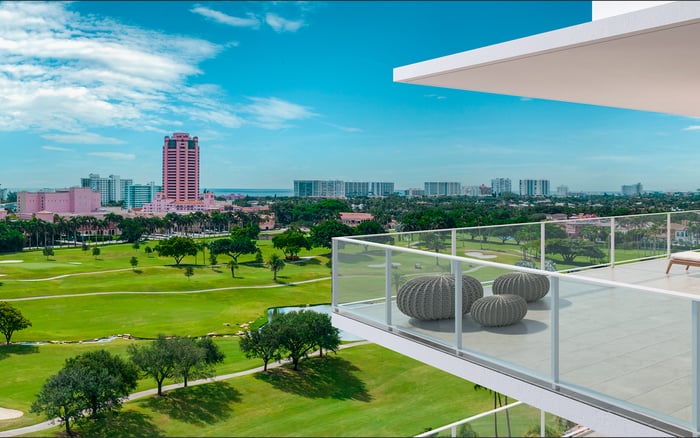
A considered customization plan begins before closing. For Alina buyers, written alteration approvals, contractor-access procedures, insurance conditions and work calendars deserve the same attention as finishes and floor plans.
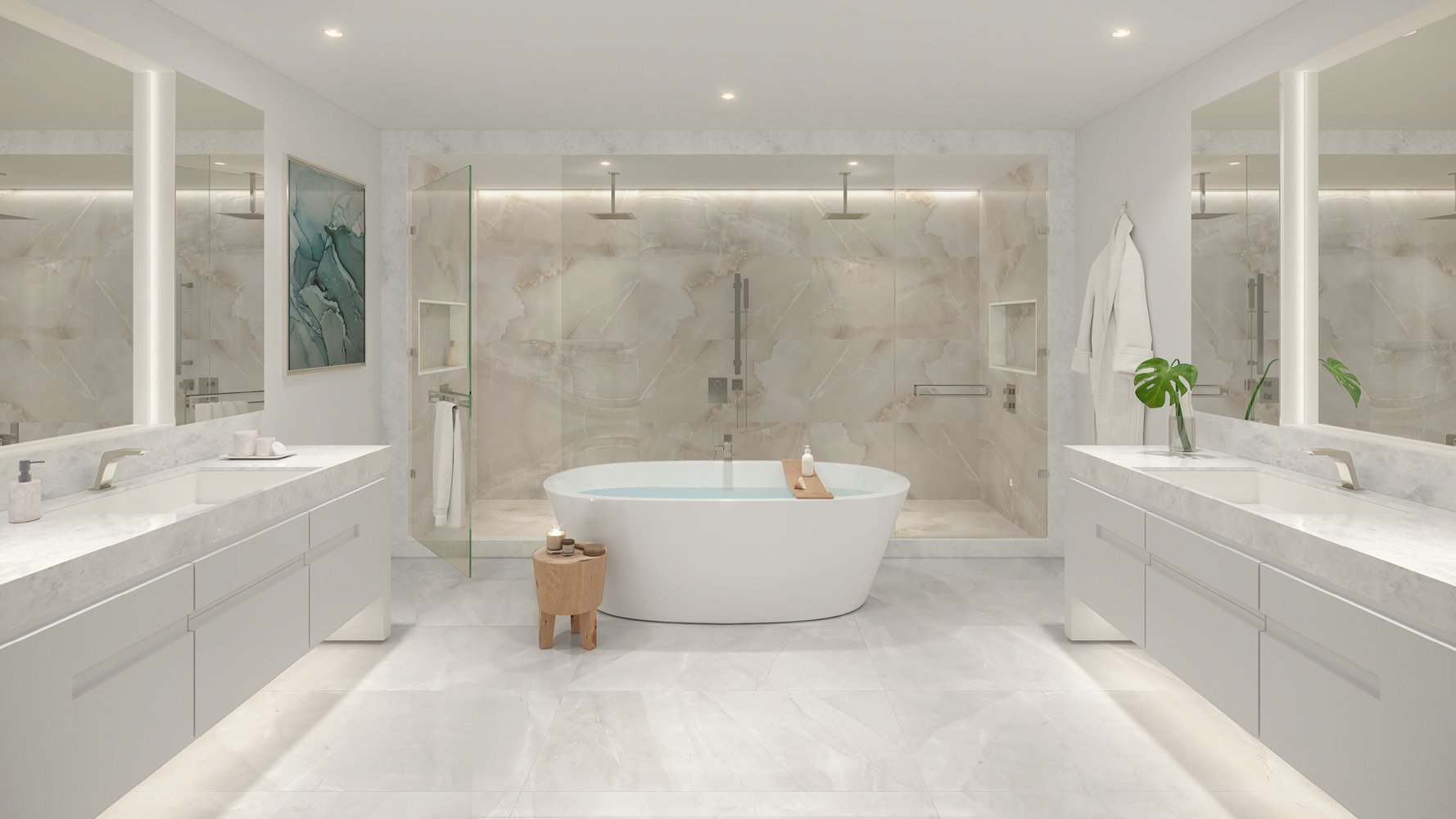
A residence can feel almost right: the proportions work, the light is compelling, and a few carefully chosen changes would make it personal. For buyers considering Alina Residences Boca Raton, the question is not simply what a designer can imagine. It is whether the proposed work can be approved, contractors can gain access, and the project can be completed within the buyer’s intended ownership calendar.
Alina’s applicable alteration permissions, contractor-access procedures and approval timelines should be confirmed in writing before a buyer relies on them. Do not presume particular working hours, seasonal restrictions, deposits or turnaround times. These are due-diligence questions, not established conditions at the property.
The distinction matters because design permission and practical access are separate issues. A scheme may be attractive on paper, yet its execution may depend on elevator reservations, delivery arrangements and the permitted work calendar. Those details belong in the acquisition conversation, not just the contractor’s post-closing checklist.
Begin by requesting the declaration, articles of incorporation, bylaws, amendments and current association rules. Ask for relevant meeting minutes as well. Use the written record to assess the proposed work rather than relying on an informal assurance that similar work has been done before.
Request the current alteration package alongside those documents. Ask who reviews submissions, what constitutes a complete application, whether the contemplated scope requires professional review, and how written approval is issued. Establish whether preliminary review is available before closing; do not assume it is.
Ask whether the applicable materials are available through an association website or application, and arrange document delivery through the seller and appropriate representatives. Do not assume a prospective buyer receives owner-portal access. Portal availability is not a substitute for receiving the materials.
Resale buyers should also request any available written approvals for existing alterations. Counsel and the design team can then assess whether the intended project builds on a documented condition or requires further clarification.
A useful planning framework has three parts: permission for the proposed alteration, required governmental permits, and authorization for contractors to enter and perform the work. None substitutes for the others.
Prepare a written scope that distinguishes finish changes from work affecting structural walls, plumbing risers or other shared systems. For the latter, have the design team and counsel identify the necessary consent and permitting before scheduling work. An interior location alone should not be treated as assurance that work has no building-wide implications.
Ask whether an alteration submission requires the proposed scope, contractor licensing, liability insurance, workers’ compensation coverage and a project schedule. These are preparation questions, not a statement of Alina’s requirements. Obtain the actual checklist before paying to assemble a submission based on assumptions.
Ask how revisions are handled. If the design changes after approval, establish whether the revised scope needs another review before it reaches the job site. Written clarity can help prevent a contractor from scheduling work that has not yet been authorized.
The scheduling question is not merely how many weeks the contractor needs. It is how those weeks fit within the building’s actual operating rules.
Request permitted workdays and hours, any distinctions between noisy and quieter tasks, and any holiday or seasonal limitations. Ask how elevator reservations, material deliveries and staging are managed. None of these restrictions should be presumed at Alina; each needs a current answer from the applicable association or management team.
If work windows or elevator access are constrained, the contractor should explain how the proposed sequence changes. A bid based on unrestricted access is not a reliable planning document when access remains unresolved. No fixed multiplier can responsibly translate those unknowns into a completion date.
Second-home buyers should compare the resulting schedule with their intended arrival, not simply with closing. The same discipline applies when evaluating Glass House Boca Raton as an alternative: compare written operating conditions rather than assuming neighboring residences offer equivalent flexibility.
The renovation budget should reflect how materials and trades reach the residence, not only what they install once inside. Establish any obligations for protecting elevators, corridors and lobbies before asking contractors to finalize pricing. Clarify who installs and maintains that protection, and how any damage is assessed.
Request a complete statement of applicable deposits and fees. If a construction deposit is required, ask about the amount, refund conditions, deductions and release process. Separate refundable funds from nonrefundable charges so the budget does not confuse a cash requirement with a final expense.
Insurance deserves equal precision. Request the actual coverage requirements and any additional-insured wording, then have the contractor and insurance professional review them before a start date is promised. A general assurance that a contractor is insured does not establish whether the association’s specific documentation conditions can be met.
Finally, ask each bidder to identify assumptions and exclusions tied to access. This makes comparisons more meaningful than headline prices based on different working conditions.
Building-wide activity also belongs in the document review. Ask about ongoing or planned construction and request relevant available permits, structural integrity reserve studies, contracts and bid information. Review those materials with the appropriate professionals when assessing whether shared projects could affect the intended renovation period.
The presence of a permit or study does not itself establish an access conflict. Ask a narrower question: will any planned work affect the elevators, corridors or shared systems on which the proposed alteration depends?
That question is equally useful for buyers considering The Residences at Mandarin Oriental Boca Raton. The comparison concerns diligence, not a claim that either property has particular restrictions or building work underway.
For changes involving unit size or configuration, appurtenances or common-element shares, obtain condominium counsel’s advice on any applicable consent requirements. Have counsel identify the authority governing contractor-access procedures rather than assuming an owner vote or a particular declaration-amendment threshold applies.
Before committing to a customization-dependent purchase, assemble the governing documents, alteration package, written review process, contractor insurance conditions, work calendar, access procedures, and applicable deposits and fees. Have the designer and contractor test the desired scope against that package, with counsel addressing approval authority and legal questions.
If a particular alteration is essential to the purchase, discuss the unresolved issue with counsel before signing rather than assuming approval will follow ownership. The objective is not to eliminate every uncertainty. It is to distinguish the residence as it exists from the residence the buyer hopes to create-and understand what stands between them.
For a considered approach to your next South Florida residence, connect with MILLION.
If branded residences are on your mind — as a home or as an allocation — we would be glad to share what we are seeing, privately.
Begin a quiet conversationNo. Confirm the proposed scope and applicable written approval process before relying on customization as part of the purchase decision.
Request the declaration, articles of incorporation, bylaws, amendments and current association rules, together with the current alteration package.
No. Treat association consent, required permits and contractor-access authorization as separate planning requirements.
Confirm the current permitted days and hours in writing, including any distinctions by task and any holiday or seasonal limitations. Do not plan around assumed hours.
Ask whether the submission needs a written scope, contractor licensing, liability and workers’ compensation coverage, and a schedule. Obtain Alina’s actual checklist before assembling the submission.
Restrictions on elevator use or staging can constrain scheduling. Have the contractor build the sequence around confirmed access arrangements rather than unrestricted-access assumptions.
Ask whether a deposit applies and obtain its amount, refund conditions and release process. Keep refundable deposits separate from nonrefundable fees in the budget.
No. Confirm how the applicable records will be delivered through the seller and appropriate representatives rather than relying on portal access.
Have the appropriate professionals review work involving structural walls, plumbing risers or shared systems. Ask condominium counsel about consent requirements for changes to unit size or configuration, appurtenances or common-element shares.
Do not assume an owner vote is required or unnecessary. Have counsel review the governing documents and applicable authority for the procedure in question.