Beachfront and marina living offer distinct versions of South Florida luxury. Compare everyday access, maintenance responsibilities, insurance exposure, and ownership structure before choosing the waterfront that fits your life.
In South Florida, the distinction between beachfront and marina living is less about the view than how an ordinary day unfolds. One invites a morning walk along the sand; the other puts departure by boat at the center of life at home. Both can be luxurious. Neither guarantees effortless ownership.
A useful comparison starts with four questions: how you reach the water, who maintains the infrastructure, what insurance actually protects, and how often you will use the access you are buying. A beachfront condominium and a canal-front estate differ in ownership structure as well as setting. Overlooking that distinction can make even a polished comparison financially misleading.
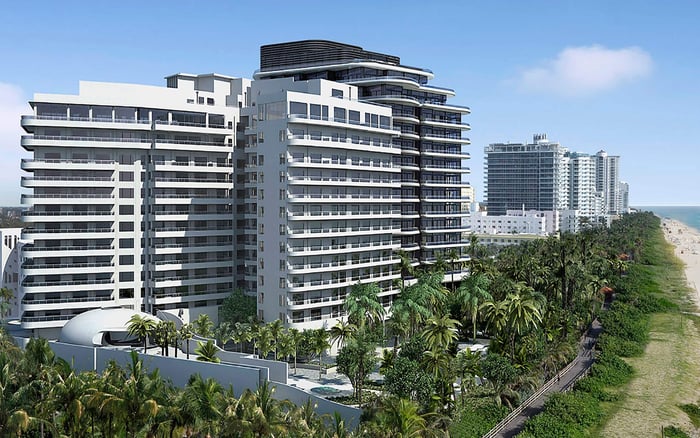
Beachfront living centers on swimming, walking, views, and time beside the ocean. High-service towers may complement that rhythm with pools, fitness facilities, spas, valet, and beach service. Those offerings are specific to the building, not guaranteed by an oceanfront address.
When considering 57 Ocean Miami Beach, frame the visit around your routine: the route from the residence to the beach, the services available when you intend to use them, and the distinction between included services and additional arrangements. These are details to verify, not amenities to infer from a name.
For a buyer who wants to enjoy the water without organizing a boating itinerary, beachfront ownership may be the more natural fit. The test is practical: does the property make your preferred daily ritual easy, or merely present an exceptional horizon?
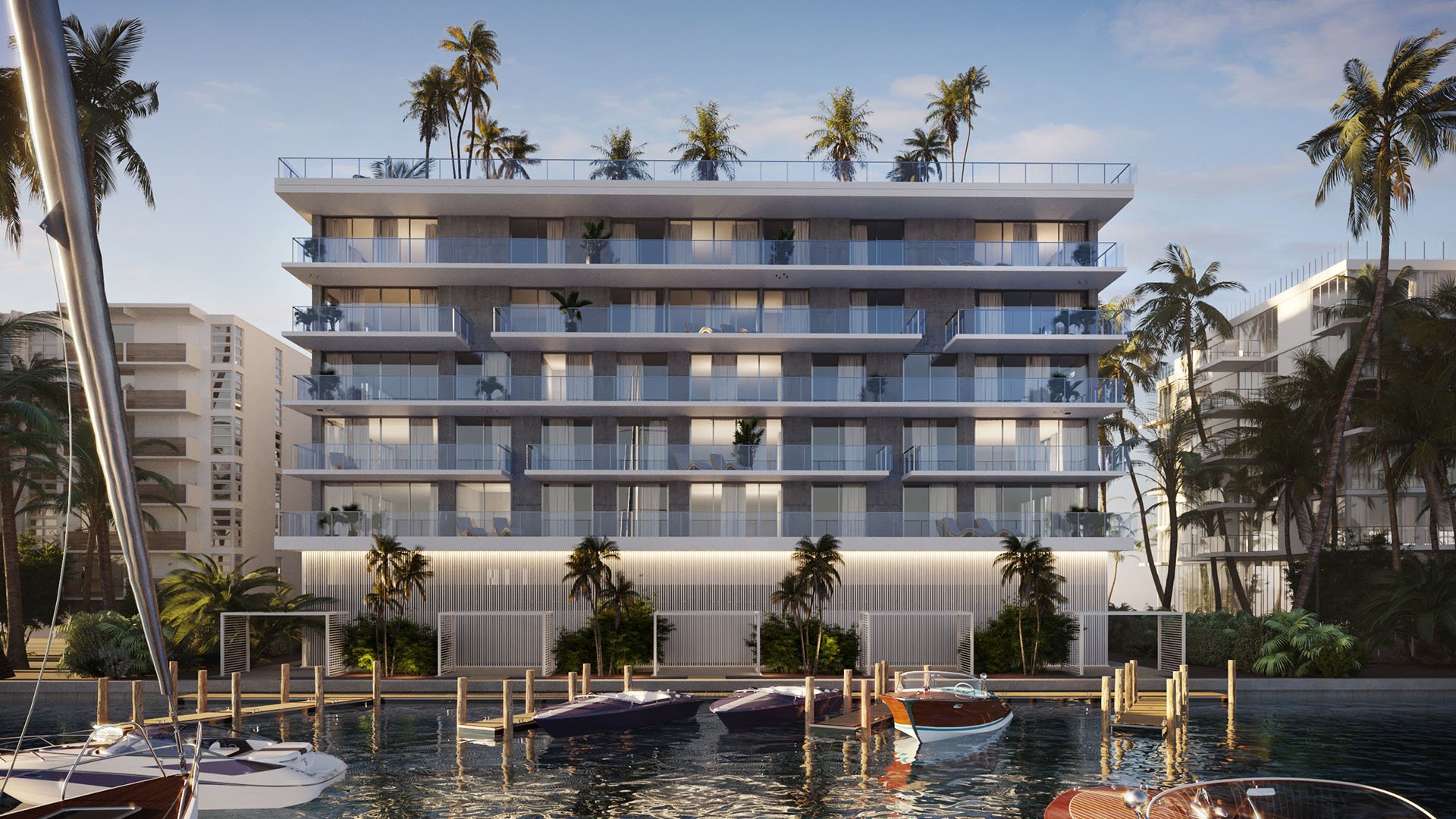
Marina-oriented living places boating, fishing, and cruising at the center of the decision. Yet a dock in view is not proof of usable access. Navigable depth, bridge clearance, dock configuration, and the route to an ocean inlet determine whether the property works for a particular vessel.
Start with the boat, then evaluate the address. Check dock capacity, pilings, condition, and lift capability against the vessel’s requirements. Have the route to the inlet evaluated alongside the berth itself; compatibility at the dock does not resolve the navigation question.
For buyers considering Onda Bay Harbor, check each boating requirement against the specific residence’s documented arrangements. Confirm whether dockage is available with that purchase, how it may be used, and who is responsible for its upkeep. A waterfront location should never substitute for those answers.
High-service waterfront condominium dues commonly consolidate staffing, on-site engineering, security, common-area utilities, elevator maintenance, master building insurance, and reserves. Centralized management can reduce an owner’s day-to-day coordination, but it does not eliminate the underlying expense.
Marine structures introduce a separate maintenance category. Docks, lifts, and seawalls require inspections and upkeep distinct from those of the residence. At a private home, buyers should establish the full scope of these obligations. At a marina condominium, responsibility may be shared or allocated through governing documents rather than assigned entirely to an individual owner.
If your Miami Beach shortlist includes The Perigon Miami Beach, apply the same financial discipline used for any waterfront condominium: examine what the budget covers, how reserves are funded, and what falls outside the advertised monthly charge. Review special-assessment history alongside current dues.
Build your ownership budget from the property’s actual documents rather than a generalized waterfront cost estimate. Separate recurring charges from potential assessments and privately maintained infrastructure.
Insurance is where broad lifestyle categories become least reliable. Flood zone, elevation, building age, distance from water, and wind-mitigation features can materially change premiums. Marina living is not automatically cheaper, and beachfront living cannot be priced accurately from exposure alone.
For a Fort Lauderdale waterfront house, obtain quotes for the exact property rather than budgeting by canal-front, Intracoastal, or oceanfront labels. Compare coverage limits, deductibles, and exclusions alongside premiums.
Condominium ownership requires a different assessment. Review the association’s master building insurance alongside the coverage needed for the individual residence. The insurance expense included in dues is not a complete account of an individual owner’s protection.
Obtain an insurance assessment for the exact address before making an offer. For dock-equipped properties, request an explicit review of marine structures, including how the policy treats hurricane and flood damage. Do not assume ordinary homeowners or condominium insurance fully protects a dock.
For any South Florida waterfront purchase, ask the lender and insurance adviser to confirm flood-insurance requirements for the specific property and financing arrangement. Keep this review separate from assumptions about whether the residence faces a beach, canal, or marina.
Review building and contents limits against the protection you need, and ask whether private or excess flood coverage should be considered. A policy’s existence alone does not establish that its limits are adequate.
For condominium purchases, examine the association’s flood policy separately from individual coverage. Confirm actual limits, deductibles, exclusions, and how the policies work together rather than assuming the master policy resolves every exposure.
The strongest decision begins with a realistic week, not an idealized weekend. How frequently will you walk the beach, swim, cruise, or fish? How much service do you want centralized, and how much infrastructure are you willing to oversee?
If St. Regis® Residences Bahia Mar Fort Lauderdale is on your shortlist, keep beach access and boating access as separate verification items. Confirm each arrangement rather than assuming a waterfront address delivers both in the way you need.
Before committing, bring the access review, association documents, marine inspections where applicable, and address-specific insurance assessment into a single picture of ownership. The better choice is not necessarily the property with the longest list of amenities. It is the one whose daily pleasures and continuing obligations you understand equally well.
Explore South Florida residences suited to your waterfront priorities with MILLION.
If branded residences are on your mind — as a home or as an allocation — we would be glad to share what we are seeing, privately.
Begin a quiet conversationBeachfront living emphasizes beach access, swimming, walks, and ocean views. Marina-oriented living prioritizes boating, fishing, and cruising, subject to usable dockage and navigation conditions.
No. High-service towers may offer beach service and other amenities, but buyers should verify the offerings and arrangements at the specific building.
Check navigable depth, bridge clearance, the route to an ocean inlet, and dock configuration. Dock capacity, pilings, condition, and lift capability must also suit the vessel.
Responsibility depends on the governing documents and ownership arrangements. Buyers should not assume that every dock or seawall obligation belongs exclusively to the individual owner.
Dues commonly include staffing, engineering, security, common-area utilities, elevator maintenance, master building insurance, and reserves. The actual scope varies by building.
Use the specific property’s current dues, budget, and reserve information rather than a generalized estimate. Review special-assessment history and identify expenses outside the monthly charge.
No. Flood zone, elevation, building age, proximity to water, and wind-mitigation features can materially affect premiums, so an address-specific assessment is essential.
No; ask the insurance adviser to confirm coverage for the specific marine structures. Review limits, deductibles, and the treatment of hurricane and flood damage.
Ask the lender and insurance adviser to confirm requirements for the exact property and financing arrangement. Do not rely solely on the beach, canal, or marina setting.
Yes; examine both policies and confirm how they work together. Review actual limits, deductibles, and exclusions rather than assuming the association’s policy resolves every exposure.