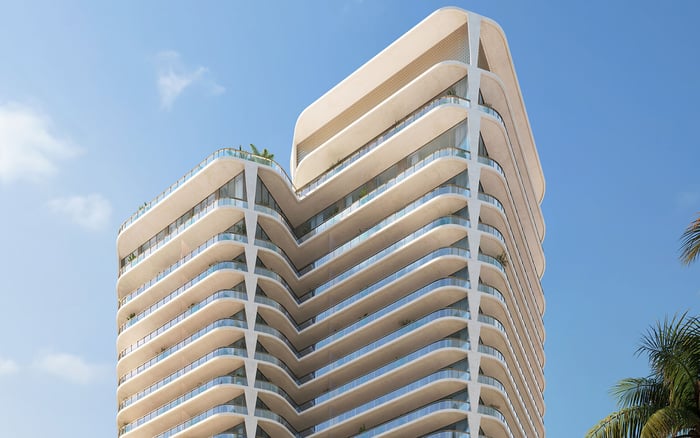
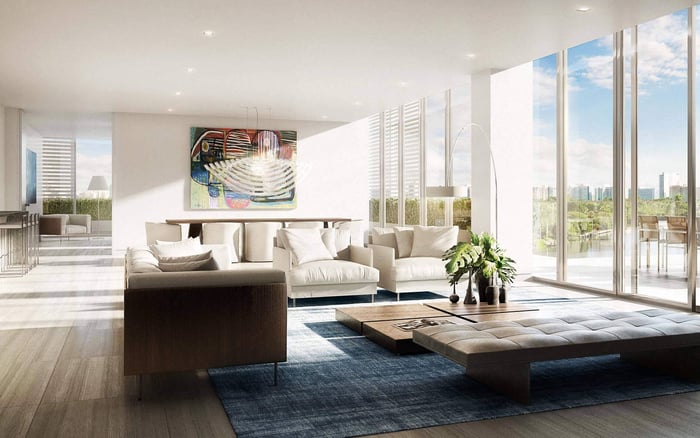
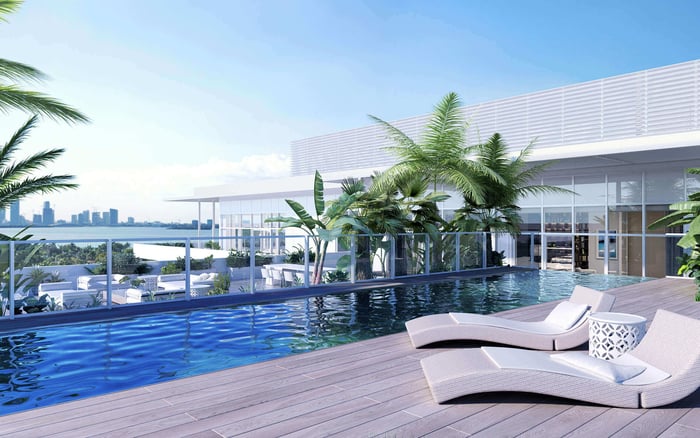
A practical South Florida luxury buyer’s guide to comparing Banyan Tree Residences West Palm Beach with The Ritz-Carlton Residences® Miami Beach through routines, views, service, privacy, room planning, and long-term ownership logic.
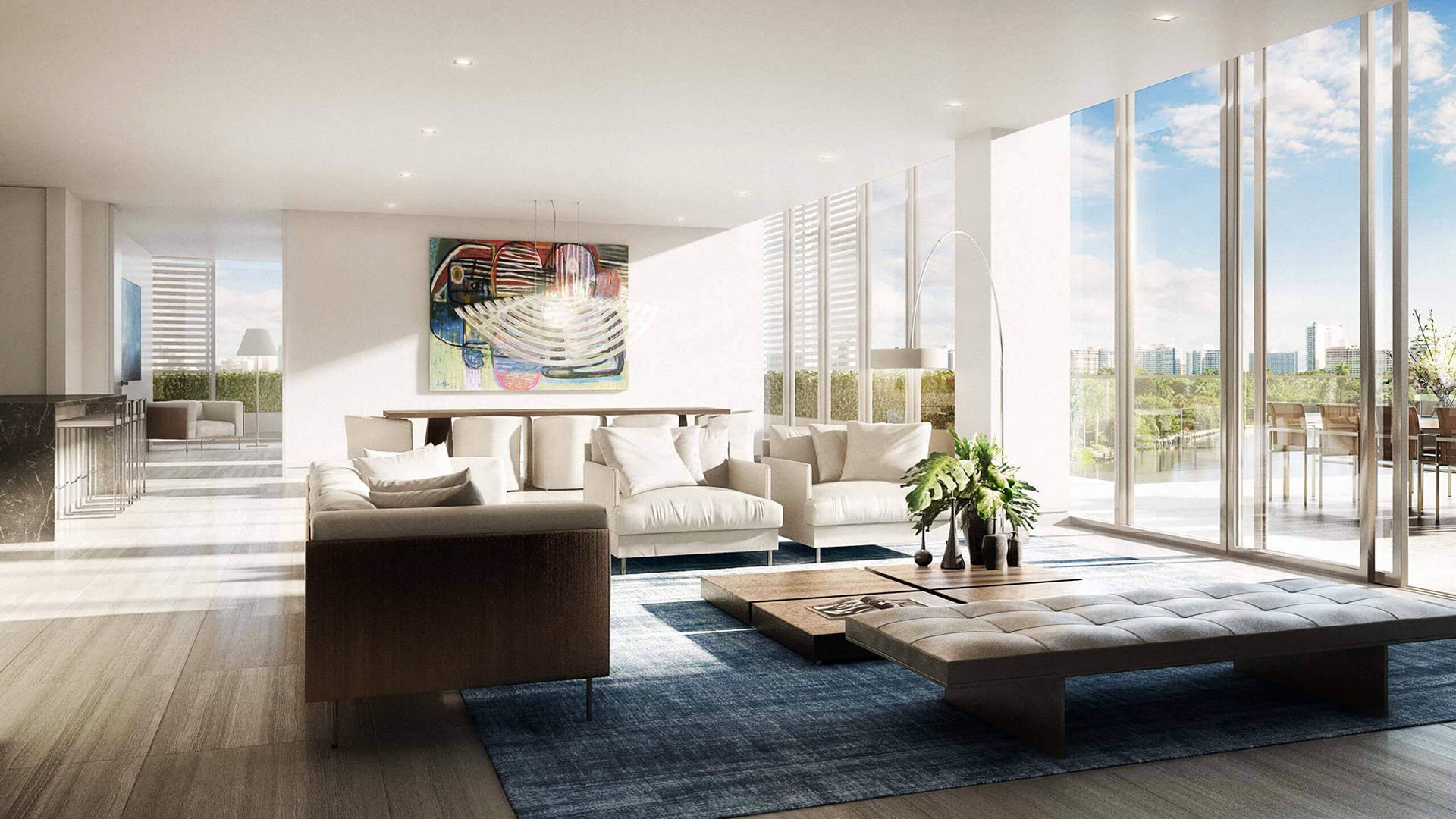
At the highest tier of South Florida real estate, brand names may open the conversation. They rarely close it. For a serious buyer comparing Banyan Tree Residences West Palm Beach with The Ritz-Carlton Residences® Miami Beach, the sharper question is not which name carries broader recognition, but which home supports the way the buyer actually lives from morning to night.
That requires studying routines with unusual discipline. Where does the day begin? How does the primary bedroom receive light? Is the terrace a ceremonial outlook or a true outdoor room? Does the kitchen work for daily living, private chefs, family breakfasts, and entertaining? How does a guest arrive, and where do staff, deliveries, service calls, pets, and luggage move once inside the building?
The comparison should remain practical. A West Palm Beach residence and a Miami Beach residence can speak to different daily rhythms, different access patterns, and different ideas of privacy. Buyers considering the broader Palm Beach County branded-residence landscape may also review The Ritz-Carlton Residences® West Palm Beach as a related point of reference, but the decision still comes back to sunrise, sunset, service, privacy, and room-by-room usability.
For many buyers, the first hour of the day is the most revealing test of a residence. A view may photograph beautifully, but the daily question is whether it feels right when the household is waking up, moving through the kitchen, using the terrace, or preparing for school, work, travel, or leisure.
Buyers should evaluate the morning sequence in person whenever possible. Does light reach the primary suite, breakfast area, or main living room at the time the owner expects to use those spaces? Does the home feel calm or exposed? Does the terrace invite a quiet coffee, or is it better suited to occasional viewing? Those answers may matter more than a single dramatic image.
When evaluating Banyan Tree Residences West Palm Beach and The Ritz-Carlton Residences® Miami Beach, the same questions should be asked with equal rigor. Does the morning routine favor water, skyline, neighborhood greenery, or a quieter interior sequence? Does the buyer want the Palm Beach County cadence, the Miami Beach rhythm, or a residence that works primarily as a seasonal base?
Evening is where many floor plans reveal their strengths or weaknesses. A room that feels impressive at midday may feel less convincing at dinner. Sunset orientation, interior lighting, terrace comfort, and the relationship between the dining area and the main living space all shape how the home performs after the day slows down.
For a buyer who entertains, sunset is not merely aesthetic. It influences where guests gather, where cocktails are served, whether the terrace functions comfortably, and whether the dining area feels connected to the view. A deep and usable outdoor area can become a true extension of the residence. A less practical one may remain more of a viewing ledge.
This is where the comparison should move from brand language to choreography. Walk the route from elevator to entry, entry to living room, living room to terrace, kitchen to dining, and guest suite to powder room. The stronger residence is the one whose evening sequence feels natural without explanation.
Luxury buyers often overvalue the grand salon and undervalue the rooms used every day. Long-term satisfaction usually depends on the kitchen, bedrooms, storage, laundry, service areas, and circulation. These spaces determine whether the home supports full-time living, seasonal use, frequent guests, or a more lock-and-leave ownership pattern.
Kitchen functionality is central. Is there enough working space for actual preparation? Can staff operate without interrupting guests? Is storage suited to the way the buyer lives? Does the kitchen connect to casual dining, or does it force every meal into a formal mode?
Bedroom orientation is equally important. The primary suite should feel protected, quiet, and logically separated from entertaining areas. Secondary bedrooms should not feel like afterthoughts. Guest rooms need privacy, but they also need access that does not compromise the household’s routine.
In branded residences, service is not merely an amenity category. It is the invisible architecture of daily ease. Buyers should verify the actual service scope, staffing model, access procedures, maintenance protocols, guest handling, pet policies, delivery process, and owner expectations before treating any brand promise as a practical ownership advantage.
The most important questions are concrete. How does the arrival feel after a late flight? How are guests announced? How are contractors handled? Are deliveries discreet? Is security present without making the home feel institutional? Are maintenance requests managed smoothly? Does the building understand the difference between hospitality and intrusion?
For both Banyan Tree Residences West Palm Beach and The Ritz-Carlton Residences® Miami Beach, brand alignment matters only if the operating culture supports the resident’s life. In ultra-prime real estate, the most valuable service is often the service one does not have to think about.
Privacy can mean different things to different buyers. It can mean fewer interruptions, visual separation from neighboring buildings, a calmer lobby sequence, a more discreet arrival, or a view plane that feels open enough to exhale. The right answer is personal, and it should be tested against daily life rather than assumed from a name.
Waterview preferences are equally personal. Some buyers want movement, brightness, and visual drama. Others prefer a quieter composition. Some want the city as part of the evening backdrop, while others want a more sheltered residential feeling. The practical buyer should decide which emotional register still feels compelling after repeated visits.
This is why a room-by-room tour should be conducted at the times of day the buyer expects to use the home. Morning in the primary suite, afternoon on the terrace, evening in the living room, and late-night arrival all tell different stories.
The final layer is future liquidity. At the top of the South Florida market, liquidity does not mean quickness alone. It means durability of appeal. A residence with a coherent lifestyle proposition is often easier for a future buyer to understand: practical layouts, credible service, strong arrival, privacy, usable outdoor space, and a location that fits the owner’s rhythm.
Buyers should also separate emotional attraction from operating reality. A beautiful plan with awkward circulation can lose force over time. A view that is exciting for five minutes may not be the view the owner wants every morning. A famous brand may be valuable, but it cannot compensate for a home that does not function.
For the buyer comparing these two names, the winning answer may be surprisingly personal. Choose the residence where the kitchen works, the bedroom rests, the terrace is usable, the service is consistent, and the view remains compelling after the first impression fades.
Is this comparison mainly about brand prestige? No. The stronger evaluation is about daily usability, including views, room flow, service, privacy, and long-term positioning.
Why should buyers study morning routines? Morning light, bedroom comfort, kitchen flow, and terrace use often reveal whether a residence supports the owner’s actual day.
Should buyers prioritize sunrise or sunset views? They should prioritize the view that aligns with when they actually use the home, especially the primary suite, living room, dining area, and terrace.
How important is the terrace? Very important. Terrace depth, orientation, privacy, and comfort can determine whether outdoor space functions as a real living area or only as a viewpoint.
What should buyers study in the kitchen? They should assess storage, prep space, staff circulation, casual dining, and whether the kitchen supports everyday living rather than only entertaining.
Why does service matter in a branded residence? Service consistency affects arrivals, guests, security, maintenance, deliveries, and the overall ease of ownership.
How should West Palm Beach and Miami Beach be compared? Compare lifestyle cadence, access patterns, privacy expectations, views, and the emotional register of each location.
What makes a floor plan more livable over time? Clear circulation, protected bedrooms, usable storage, practical service areas, and a natural connection between indoor and outdoor spaces tend to age well.
What should buyers verify before relying on brand promises? They should confirm service scope, building operations, residence layout, ownership costs, policies, and the actual experience of arrival and daily use.
What is the most practical buyer takeaway? Choose the residence that performs best in daily routines, not simply the one with the most recognizable name.
When you're ready to tour or underwrite the options, connect with MILLION.
If branded residences are on your mind — as a home or as an allocation — we would be glad to share what we are seeing, privately.
Begin a quiet conversation