Bal Harbour security is evolving from visible protection to seamless privacy infrastructure, where access control, resident flow, staff discipline and discreet technology become part of the luxury experience.
In the upper tier of South Florida real estate, security is no longer a back-of-house function. It has become part of a property’s identity, shaping the first impression before a resident ever reaches the lobby. In Bal Harbour, where privacy, waterfront calm and architectural refinement define buyer expectations, the most compelling residences make security feel effortless rather than theatrical.
The shift is subtle, but significant. The older luxury vocabulary centered on gates, guards and visible control. The newer language is more layered: controlled arrival, intelligent guest management, secure elevator movement, thoughtful package handling, disciplined staff protocols and a digital record of who enters sensitive spaces. For a buyer accustomed to private aviation, family offices and tightly managed homes, this kind of residential infrastructure is not an amenity. It is a condition of ownership.
That is why conversations around properties such as Rivage Bal Harbour often move beyond views, finishes and wellness space. Sophisticated buyers increasingly want to understand the choreography of daily life: how residents arrive, how guests are announced, how service providers are managed, how elevators are controlled and how discreetly the building can protect a family’s routine.
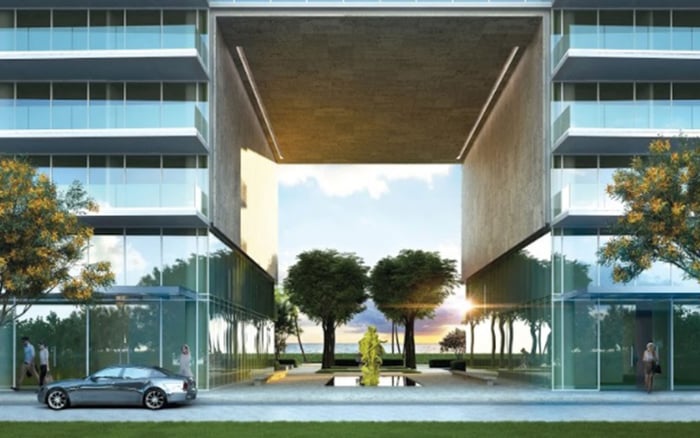
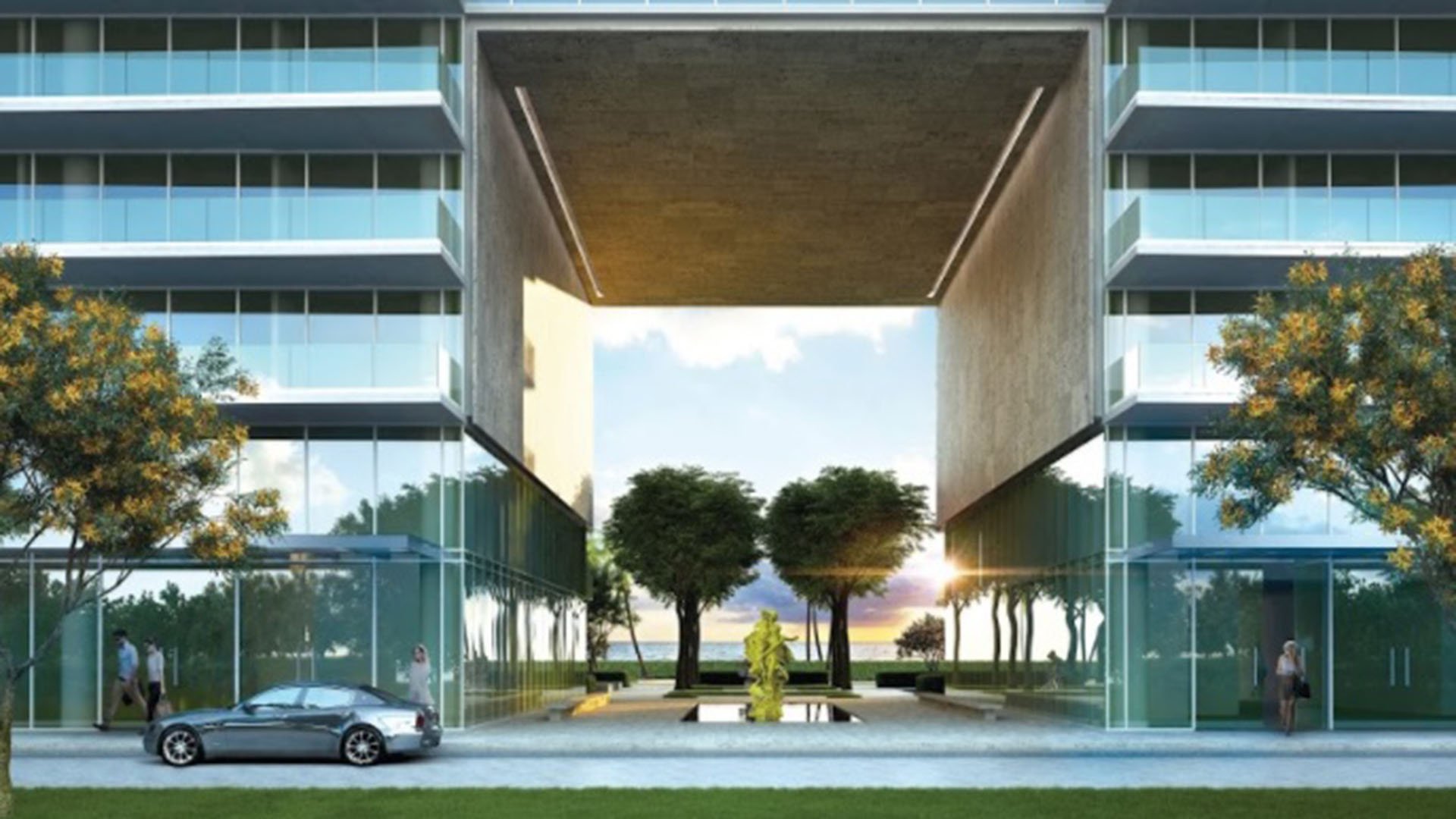
The phrase Gated-community once described a perimeter. In the condominium world, the more relevant question is how many layers exist after that perimeter has been crossed. A porte cochere may be beautifully designed, but the true luxury lies in what happens next: recognition without exposure, assistance without delay and verification without friction.
Technology has made that standard more achievable. Modern access systems can support more precise control over doors, elevators, garages and amenity zones. Visitor management platforms can help staff prepare for arrivals rather than react to them. Camera systems can function as operational intelligence, not merely surveillance. Package rooms and service entries can be designed to reduce overlap between residents, vendors and deliveries.
For Bal Harbour buyers, these details matter because the experience must remain quiet. A high-security residence that feels tense has missed the point. The best protocols disappear into hospitality. A resident should feel expected, protected and unobserved, while the building team maintains a strong understanding of movement through the property.
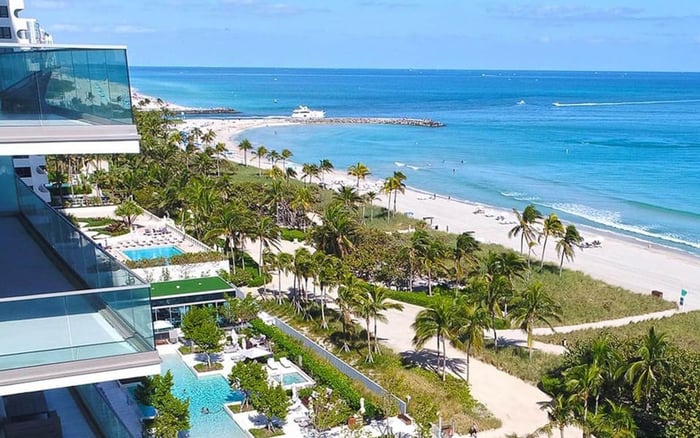
Oceanfront living has its own security logic. The appeal is openness: horizon views, terraces, beach proximity and light. The challenge is preserving that openness while maintaining privacy in circulation areas, amenity decks and arrival points. In a luxury tower, the beach-facing lifestyle must be balanced with controlled access from every direction.
This is one reason established names such as Oceana Bal Harbour remain part of the broader conversation around privacy expectations in the village. Buyers evaluating Oceanfront residences are not only comparing floor plans. They are considering how a building mediates the public and private edges of coastal life.
The most effective security posture is layered. It accounts for the garage, lobby, elevators, pool deck, beach path, spa, fitness areas and staff-only circulation. It also accounts for human behavior. Technology can create the framework, but protocols determine whether that framework is applied consistently. For ultra-premium owners, consistency is the difference between a feature and a standard.
In an Exclusive-area, privacy has market value. It protects lifestyle, reputation and family rhythm. The most discerning buyers understand that two buildings with similar architecture can feel very different depending on how entry and resident flow are managed.
Discretion begins before the resident arrives. A building that manages guest names, vehicle expectations, vendor windows and service access with care can make daily life feel exceptionally calm. Staff should be empowered by technology, not replaced by it. The resident experience depends on that blend: digital systems that reduce ambiguity, and trained teams that understand when to speak, when to act and when to remain invisible.
This is especially relevant for owners who divide time among multiple homes. A second residence in Bal Harbour may sit unoccupied for stretches, then become the center of family life during a holiday period. Security protocols must accommodate both conditions. The building needs to protect quiet vacancy, then seamlessly support a larger household rhythm without making the owner feel like a visitor in their own home.
Security diligence should be part of any serious acquisition conversation. It does not require alarmist thinking. It requires precision. Buyers should ask how residents and guests are authenticated, how elevator access is structured, how staff changes are managed, how deliveries are routed and how after-hours procedures work. The answers reveal how mature the building’s operating culture really is.
A buyer should also evaluate privacy from a design standpoint. Are arrival areas shielded from unnecessary exposure? Is valet flow separated from pedestrian flow? Are service providers kept out of primary residential circulation where possible? Does the amenity plan create crowding at predictable moments? Does the building maintain a clear distinction between hospitality and access control?
Comparisons across nearby markets can be useful. A buyer looking at Bal Harbour may also examine Surfside, where projects like Fendi Château Residences Surfside and The Delmore Surfside sit within a similarly privacy-conscious coastal mindset. The point is not to rank one address over another. It is to understand how each building translates exclusivity into daily operations.
The most successful security upgrades are rarely the loudest ones. Luxury buyers do not want a building to feel like a checkpoint. They want clarity, confidence and restraint. Mobile credentials, controlled amenity access, visitor pre-clearance, monitored service points and elevator permissions can all contribute to a more private environment when executed with taste.
The risk is overcomplication. Too many systems can create delays, staff confusion or awkward resident interactions. A well-run building selects technology that supports the service culture. It should make the lobby calmer, not colder. It should help staff recognize patterns, prevent avoidable interruptions and maintain a consistent experience for residents and approved guests.
In this sense, security has become part of the luxury design brief. The building’s intelligence must be as refined as its stone, millwork and landscape architecture. If a residence promises serenity, its protocols must be serene as well.
Exclusivity in Bal Harbour is not only about limited supply or waterfront positioning. It is about controlled intimacy. The owner wants the pleasures of resort-level service without the exposure of a resort. The family wants access to amenities without sacrificing privacy. Guests should feel welcomed, while the building quietly maintains standards.
This is where security protocols become a form of curation. They determine who enters, how they move, what they see and how much of the resident’s life remains protected from incidental contact. The result is not isolation. It is freedom: the freedom to use the property fully, host comfortably and arrive without friction.
For the next generation of luxury residences, the most exclusive buildings will not be the ones that advertise security most aggressively. They will be the ones that make privacy feel natural.
Why are security protocols so important in Bal Harbour? They protect privacy, daily routine and resident confidence in a market where discretion is central to luxury ownership.
What should buyers evaluate beyond visible security staff? Buyers should review arrival flow, elevator control, visitor handling, service access, package procedures and staff training.
Does better technology always mean better security? Not necessarily. Technology is most effective when it supports disciplined protocols and a refined hospitality culture.
Why does Oceanfront living require special attention? Oceanfront properties balance openness with privacy, especially around beach access, amenity decks and shared circulation.
How does Gated-community thinking apply to luxury condos? The concept now extends inside the building through layered access, controlled elevators and carefully managed service zones.
Are privacy and hospitality in conflict? They should not be. The best buildings use protocol to make service feel smoother, quieter and more personal.
What makes an Exclusive-area residence feel more secure? Calm arrival sequences, consistent staff procedures and limited unnecessary exposure all contribute to a secure atmosphere.
Should second-home buyers ask different questions? Yes. They should understand how the building protects an unoccupied residence and supports sudden periods of family use.
Can security influence resale appeal? It can, because sophisticated buyers often value buildings that demonstrate privacy, operational discipline and resident control.
How should buyers compare Bal Harbour with nearby Surfside? They should compare not only architecture and amenities, but also how each building manages privacy and daily access.
For a discreet conversation and a curated building-by-building shortlist, connect with MILLION.
If branded residences are on your mind — as a home or as an allocation — we would be glad to share what we are seeing, privately.
Begin a quiet conversation