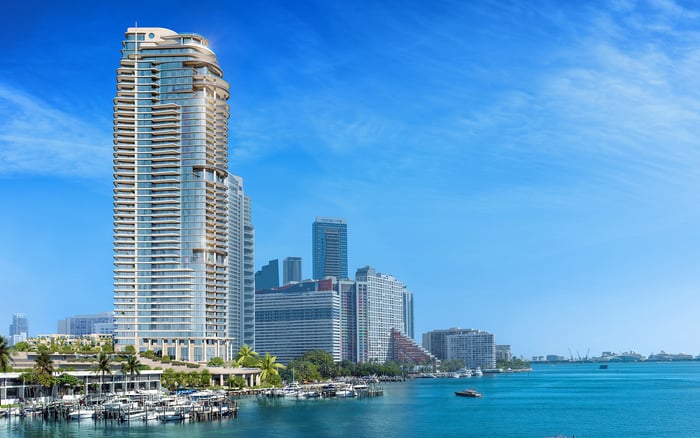
A buyer-focused analysis of how all-cash leverage, closing certainty, document review, and concession strategy should be evaluated at Baccarat Residences Brickell and Miami Design Residences Midtown Miami.
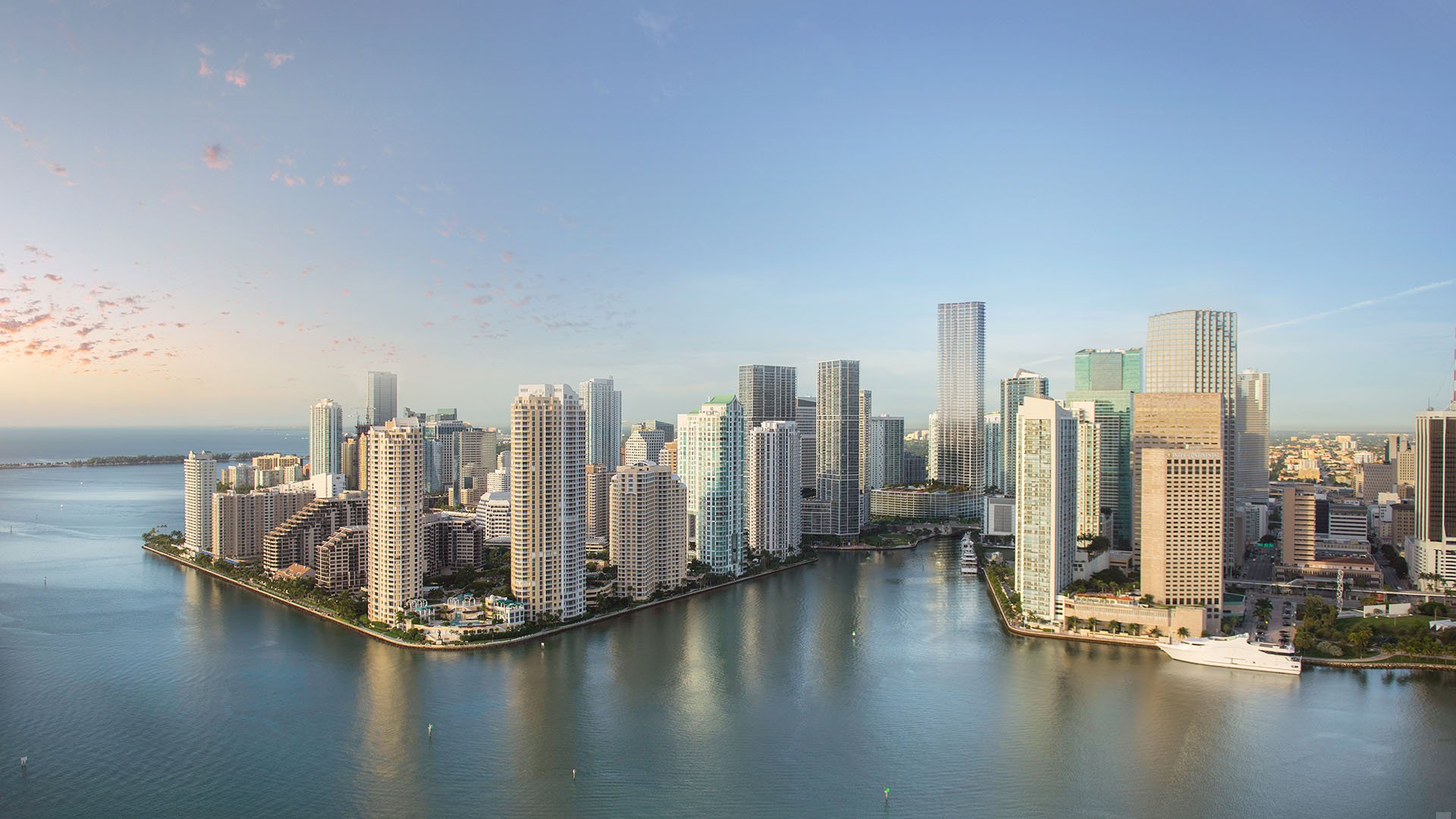
In South Florida luxury real estate, cash is often treated as a trump card. For sophisticated buyers, that reading is too blunt. Cash matters because it reduces execution risk, shortens the path to closing, and reassures a seller that the contract is less likely to fail over financing. But cash alone should not require a buyer to surrender document review, inspection rights, title protections, or a clear understanding of the operating life of a branded condominium.
That distinction is central when comparing Baccarat Residences Brickell with Miami Design Residences Midtown Miami through a due-diligence lens. The sharper question is not simply which buyer can close fastest. It is which buyer can close with the fewest unresolved unknowns, and which seller or developer has the greatest need for certainty.
For Baccarat Residences Brickell, the analysis begins with its position as a branded luxury condominium in the Brickell and Downtown orbit. Brand identity can elevate the living experience, but it also makes the review more layered. A buyer is not only acquiring walls, views, parking, and private amenity access. The buyer is entering a governed environment shaped by service standards, operating rules, association budgets, and any continuing obligations tied to the brand or hospitality framework.
Baccarat Residences Brickell should be approached as a high-design, branded residence where the soft elements of ownership can matter as much as the hard asset. For a cash buyer, the contract should preserve time to examine condominium documents, association budgets, reserve disclosures, insurance, rental rules, litigation disclosures, pending claims, and any agreements that affect service delivery or brand standards.
In a competitive Brickell negotiation, the temptation is to offer speed with minimal friction. That can win attention, but it can also weaken the buyer’s position. A more disciplined strategy is to offer speed after defined diligence gates are satisfied. The seller receives a cleaner path to closing, while the buyer retains protection around issues that can affect long-term value.
In a branded project, recurring charges deserve particular focus. Service levels, amenity access, staffing expectations, insurance costs, and reserve planning can all influence the true cost of ownership. The question is not whether a luxury buyer can afford the fees. The question is whether the fees align with the promised lifestyle, the building’s operating structure, and the buyer’s expected holding period.
Miami Design Residences Midtown Miami belongs in the conversation because Midtown continues to attract buyers seeking a more design-forward, urban Miami setting outside the traditional waterfront hierarchy. Still, a prudent buyer should avoid assuming the same risk profile that might apply to a completed or well-documented Brickell resale.
Before treating cash as a lever, buyers should verify the project’s official name, developer, address, delivery expectations, deposit structure, construction status, cancellation rights, and current incentive posture. These items determine whether the negotiation is really about price, timing, deposit exposure, closing mechanics, or construction risk.
This is especially important in new-construction scenarios. A cash buyer may not be solving a seller’s financing-contingency problem if the asset is not ready for immediate transfer. Instead, the buyer may be accepting timing risk, contract-structure risk, or uncertainty around final delivery. The more future-facing the asset, the more leverage should be tied to protections rather than merely to a lower number.
The most elegant cash-buyer negotiation is rarely aggressive for its own sake. It is precise. In a luxury setting, a seller may resist headline price cuts because published price integrity matters, especially in a branded building. That does not mean there is no room to negotiate. It means concessions often move through quieter channels.
At Baccarat Residences Brickell, a cash buyer might seek closing-cost credits, timing flexibility, furniture or decorator allowances, parking terms, storage terms, or other practical concessions that improve the net economics without publicly resetting value. In some cases, the cleaner offer is not the highest nominal offer, but the one that balances certainty, discretion, and a clear closing calendar.
Cash also improves the buyer’s credibility when asking for a sharper response timeline. A seller who values certainty may agree to resolve document requests, title issues, association approvals, or inspection matters more efficiently because the buyer has removed financing as a major variable. The trade should be explicit: speed in exchange for transparency.
Closing risk in the Brickell luxury market is not limited to whether funds are available. It extends to title status, open permits, association approvals, assessments, insurance, litigation, pending claims, and obligations that may survive resale. A cash buyer who ignores these issues is not being decisive. The buyer is simply absorbing risk faster.
At Baccarat Residences Brickell, the review should include the seller’s authority to transfer, the condition of title, any unpaid assessments, whether association approval is required, and how insurance responsibilities are allocated. If brand or hospitality-management obligations apply after resale, those terms should be understood before contingencies are released.
For a resale purchase, buyers should also examine how the specific unit compares to competing inventory. Price per square foot is only a starting point. Floor height, unit line, exposure, view corridor, parking, storage, terrace usability, and finish quality can all justify meaningful differences. Brickell buyers should also benchmark against other high-end towers in the Brickell and Downtown market rather than treating the brand as the only pricing anchor.
The most valuable concession is the one that solves the buyer’s specific ownership need. For a second-home buyer, a flexible closing may be worth more than a modest credit. For an investment buyer, rental rules, carrying costs, and transfer restrictions may matter more than a small reduction in purchase price. For an owner-occupant, storage, parking, furniture, and post-closing service access may have greater practical value.
In the ultra-premium segment, negotiations are often about controlling uncertainty. Can the buyer review the full operating structure before committing nonrefundable funds? Can title issues be cleared without compressing the schedule beyond reason? Can closing occur on a timeline that accommodates liquidity, tax planning, or relocation? These are not secondary questions. They shape the true economics of ownership.
Miami Design Residences Midtown Miami should be evaluated with the same discipline, but with additional verification around project structure before any assumption is made about concessions. If the asset is developer-held, the conversation may differ from a private resale. If delivery timing or contract structure remains relevant, the buyer’s leverage may sit in deposit terms, cancellation rights, or milestone protections rather than price.
For both projects, the right framework begins with asset status. Is the residence completed, under contract with a developer, held by a private seller, or still exposed to construction and closing-timeline risk? The answer determines where cash has the most force.
If the asset is ready to transfer, cash can be a powerful tool for certainty. The buyer can offer a shorter closing window, faster proof of funds, and a more efficient approval process while preserving essential protections. If the asset is not ready for transfer, cash may have less impact on closing speed, so leverage should be applied to contract protections and delivery-related clarity.
For Baccarat Residences Brickell, the branded nature of the ownership experience makes due diligence inseparable from lifestyle. For Miami Design Residences Midtown Miami, the buyer should verify the underlying project facts before deciding whether cash should be used to demand a concession, reduce timing risk, or secure priority positioning.
The strongest luxury buyers do not confuse haste with strength. They use cash to create certainty, then use certainty to negotiate better terms.
Does cash automatically create a price discount at Baccarat Residences Brickell? Not necessarily. Cash is more likely to create leverage through certainty, speed, and reduced closing risk than through an automatic headline discount.
What should a cash buyer review before releasing contingencies? The buyer should review condominium documents, budgets, reserves, insurance, litigation, rental rules, title status, and any brand or hospitality agreements.
Why do branded residences require extra diligence? Brand standards, service charges, amenity rules, and operating obligations can affect both lifestyle and long-term carrying costs.
Are concessions always reflected in the purchase price? No. In luxury negotiations, concessions may appear as closing credits, timing flexibility, furniture allowances, parking, storage, or finish-related terms.
How should buyers compare units in Brickell? Buyers should look beyond price per square foot and evaluate floor height, view, unit line, parking, storage, terrace function, and competing inventory.
Is Miami Design Residences Midtown Miami a different diligence exercise? Yes. Buyers should verify project structure, delivery expectations, deposit terms, and contract protections before assigning cash-buyer leverage.
What is the main risk of waiving too many protections? A buyer may close quickly while absorbing unresolved title, association, insurance, assessment, or operating-rule risk.
Can cash help with association or title timing? It can help focus the seller’s attention and streamline the calendar, but approvals and title clearing should still be expressly protected.
Is resale risk different from new-construction risk? Yes. Resale risk often centers on title, documents, assessments, and unit condition, while new-construction can add delivery and contract-structure risk.
What is the best way to shortlist comparable options for touring? Start with location fit, delivery status, and daily lifestyle priorities, then compare stacks and elevations to validate views and privacy.
For a tailored shortlist and next-step guidance, connect with MILLION.
If branded residences are on your mind — as a home or as an allocation — we would be glad to share what we are seeing, privately.
Begin a quiet conversation