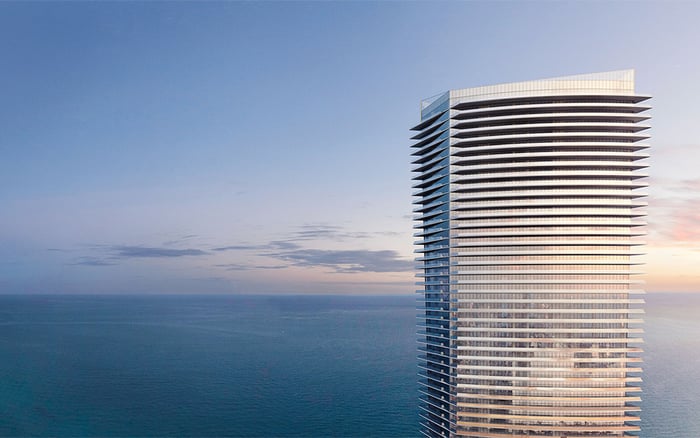
At Turnberry Ocean Club, impact-glass descriptions are the beginning of window due diligence, not its conclusion. Buyers should distinguish tested-system approvals from warranty obligations, insurance coverage and condominium responsibility before a future claim arises.
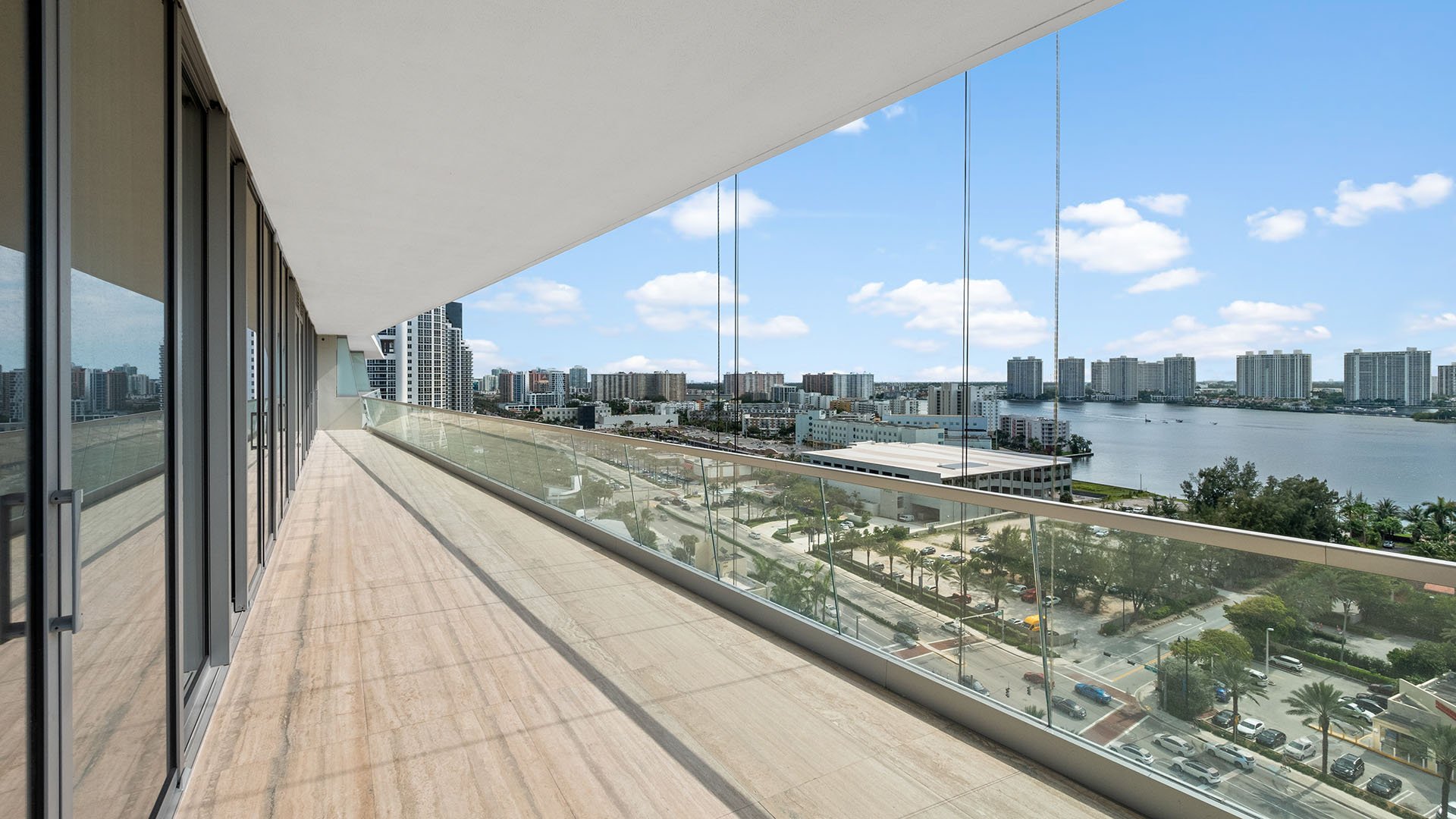
At Turnberry Ocean Club Sunny Isles, the appeal of glass is immediate: an oceanfront setting in Sunny Isles Beach, residences described with floor-to-ceiling windows, and terraces oriented toward the ocean and Intracoastal Waterway. The less visible ownership question is what stands behind those openings when repair, replacement or a future claim becomes necessary.
For a buyer at 18501 Collins Avenue, “impact glass” should begin a document review, not end it. Certification concerns a tested window or door assembly. A warranty concerns the obligations set out in a particular agreement. Insurance coverage and condominium responsibility require separate examination. None is a substitute for another.
That distinction matters when evaluating a residence for long-term ownership. A beautiful view is easy to appreciate during a showing; the rights and responsibilities attached to its glazing deserve attention before closing.
The building is presented as having high-impact windows and doors. Individual residence descriptions also reference impact glazing: Unit 2702 is described with clear and complete impact glass and high-impact windows, while Unit 3403 is described with expansive impact-glass doors and windows.
These descriptions establish how the property and those residences are presented. They do not independently verify the manufacturer, model, approval or installation of every opening. Nor should a description of one residence be extended automatically to another, particularly when reviewing repair or replacement history.
The next step is to connect each relevant opening to an installed-system schedule and the applicable approval documents. Ask the seller and condominium management to help identify the original systems and any subsequent changes. If a document refers only to glass, determine whether separate paperwork identifies the complete window or door assembly.
Laminated glass and a certified hurricane-impact-resistant window are not interchangeable descriptions. Certification concerns the tested assembly, not glass in isolation. A Miami-Dade Notice of Acceptance for a window or door system addresses the assembly, including its glass, frame and hardware.
Components can also carry their own Notices of Acceptance. The document’s scope therefore matters: a component approval should not be mistaken for confirmation of the entire installed system.
Standards used for hurricane-impact-resistant assemblies include Miami-Dade TAS 201, TAS 202 and TAS 203, or ASTM E1886 and E1996. These designations provide a technical framework, but naming a standard does not establish which approved configuration is installed in a particular residence.
Have a qualified professional compare the applicable documentation with the opening under review. Request the relevant Notice of Acceptance or Florida Product Approval documentation, along with permit and installation records, rather than relying on a generic product brochure.
For buyers also considering Jade Signature Sunny Isles Beach, the same document-first questions provide a consistent basis for comparison. They do not imply that the properties share window systems, approvals or warranty terms.
The practical warranty question is not simply whether one exists. It is whether the written terms apply to the current owner, the specific product and the problem that might arise.
Before assigning value to any warranty representation, request the certificate and all applicable terms. Establish the named manufacturer or warrantor, covered products, commencement date, duration and claim procedure. Then determine whether coverage transfers to a purchaser and whether that transfer requires action.
Review materials and labor separately. Do not assume that a product commitment pays for every aspect of removal and replacement. Ask which expenses the written terms address and which they leave unresolved.
Storm exclusions, maintenance conditions and restrictions on films or modifications also deserve explicit review. These are questions to resolve, not established Turnberry warranty provisions. Neither impact glazing nor a listing description establishes a particular coverage period or transferable benefit.
Residence descriptions include 11-foot-deep terraces facing the ocean and Intracoastal Waterway. That indoor-outdoor relationship makes doors as relevant to due diligence as fixed windows. Review both rather than treating “the glass” as a single, uniform item.
Ask for records of replacement panes, door work, hardware changes and any applied films. Where work has occurred, request documentation identifying what changed and how the replacement relates to the applicable system approval and warranty terms.
An alteration should prompt review, not an automatic conclusion that a warranty or insurance claim will be denied. Equally, an attractive finish or apparently sound operation is no substitute for documentary confirmation.
When comparing a residence with one at Armani Casa Sunny Isles Beach, keep aesthetic preferences separate from this technical inquiry. Each property’s own records should support conclusions about its installed systems and ownership obligations.
A future window issue can raise several distinct questions. Does a warranty address the condition? Does the relevant insurance policy respond to the circumstances? Who is responsible for arranging or paying for work under the condominium documents? Answer each independently.
Certification alone does not promise insurance payment. For any prospective claim, ask the appropriate insurer or adviser to assess the actual policy and circumstances. Impact resistance is not a coverage decision.
Condominium responsibility also requires careful review. Obtain the declaration and relevant provisions to establish whether windows and doors are unit property, common elements or limited common elements, and how maintenance and replacement obligations are allocated. Do not assume that the party using an opening is responsible for every expense.
Before closing, have counsel clarify unresolved responsibility questions and identify whom the owner should contact if a problem occurs. Knowing the appropriate decision-maker is more useful than relying on an informal assurance that “the building handles it.”
Build a single ownership file containing the installed-system schedule, applicable approvals, permit and installation records, warranty certificates, repair history and condominium provisions. Request maintenance documentation as well, and retain records of future work.
Sunny Isles Beach has structural and electrical building-recertification requirements, with exceptions for certain property types. That municipal framework should not be mistaken for a Turnberry-specific inspection finding or an assurance about an individual window. Retaining records is prudent, but does not guarantee recertification or a successful claim.
The buying objective is clarity, not immunity from future expense. Establish what is installed, what the applicable documents say, who is responsible and which questions still require professional review. That is a more durable foundation for ownership than the phrase “impact glass” alone.
For a considered approach to South Florida residential ownership, connect with MILLION.
If branded residences are on your mind — as a home or as an allocation — we would be glad to share what we are seeing, privately.
Begin a quiet conversationTurnberry Ocean Club is an oceanfront condominium at 18501 Collins Avenue, Sunny Isles Beach, FL 33160.
Building marketing identifies high-impact windows and doors, and individual listings describe impact glazing. Those descriptions do not independently verify every installed opening.
No. Hurricane-impact certification concerns the tested window or door assembly, not glass alone.
A system Notice of Acceptance addresses the complete assembly, including glass, frame and hardware. Components may have separate approvals, so the document's scope matters.
Relevant standards include Miami-Dade TAS 201, TAS 202 and TAS 203, or ASTM E1886 and E1996. The applicable approval documents must identify the system being evaluated.
No. Request the actual warranty terms and confirm transferability, any required transfer steps and whether coverage applies to the purchaser.
No. Certification alone does not establish insurance coverage; the relevant policy and claim circumstances require separate assessment.
An alteration should trigger review of the applicable warranty, approval documents and insurance terms. Automatic denial should not be assumed.
Responsibility should be established through the condominium declaration and relevant provisions. Do not assume whether windows are unit property, common elements or limited common elements.
Request the installed-system schedule, applicable approvals, permit and installation records, warranty certificates, repair history and condominium declaration. Maintenance records should also be requested.