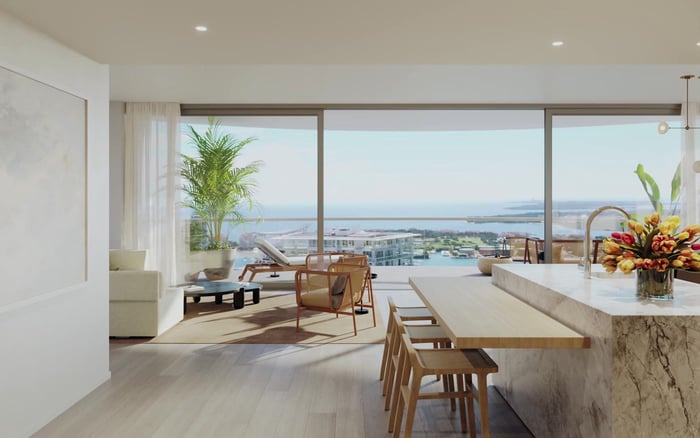
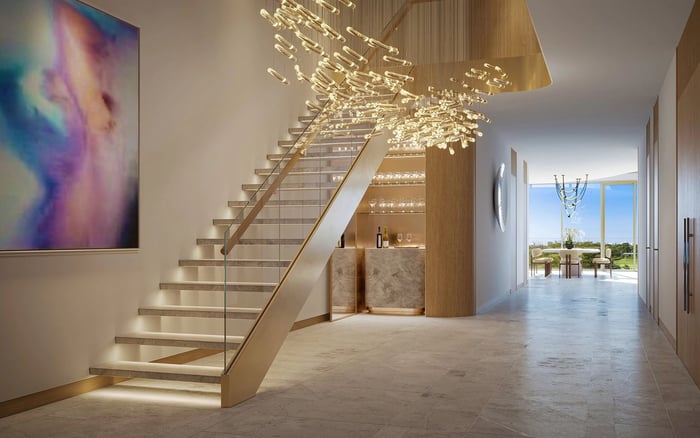
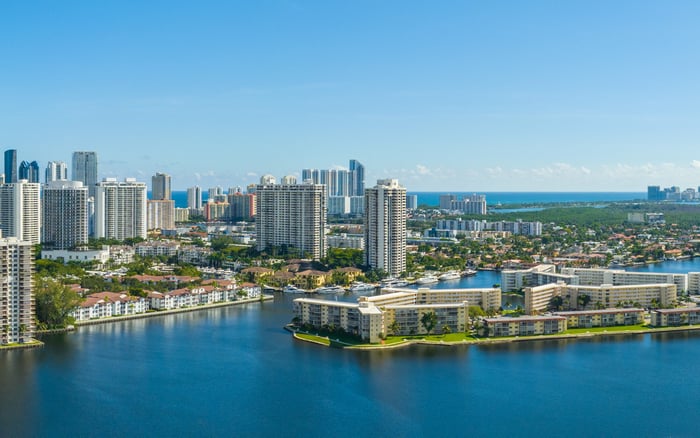
For Aventura buyers, a convincing storm-resilience case begins below the residence itself: with documented building elevations, protected mechanical and electrical equipment, and a credible association flood-response plan.
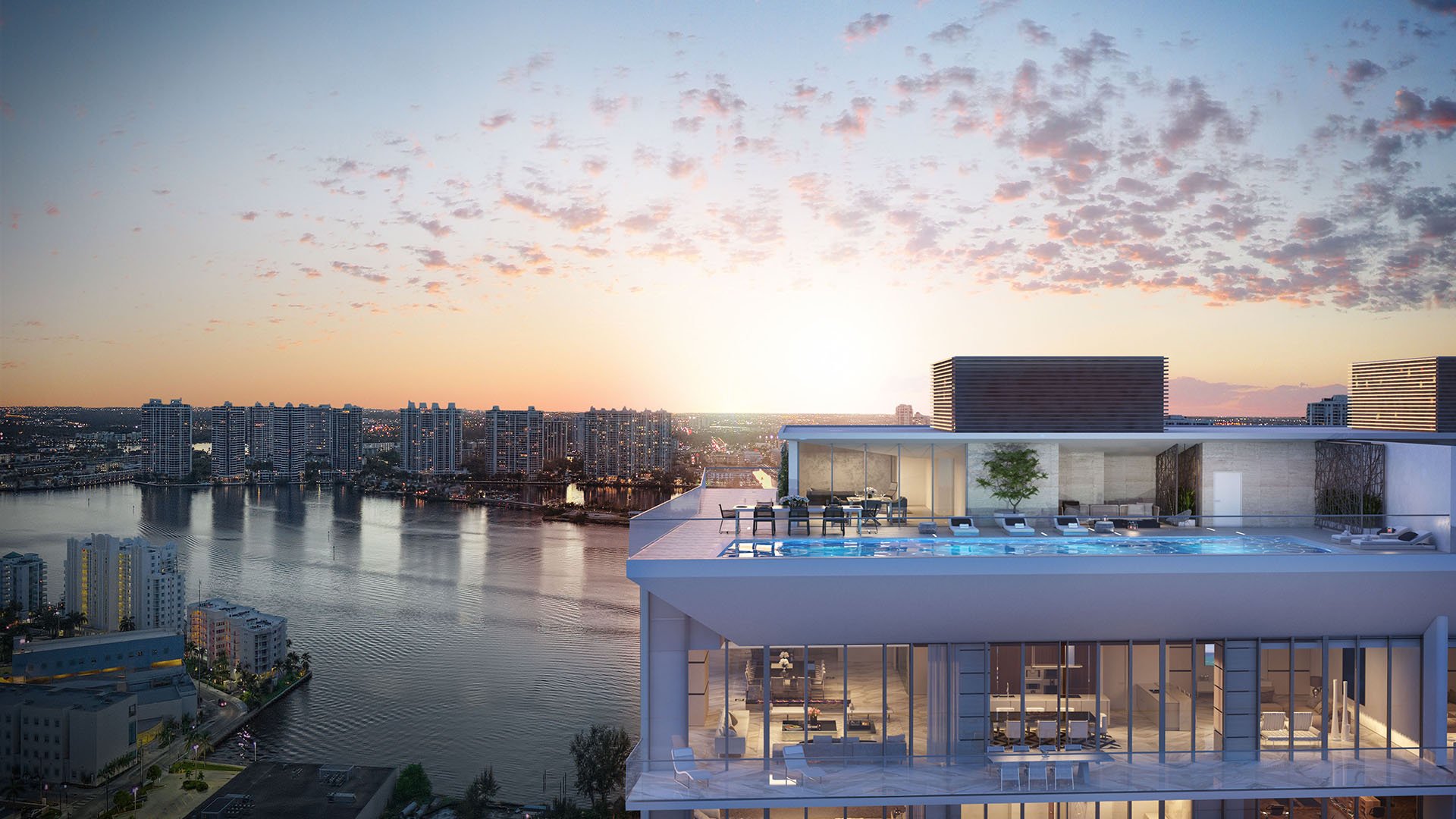
In Aventura, a luxury residence is both a private retreat and part of a shared operating system. Views, finishes and discretion shape the ownership experience. Flood planning raises a different question: what protects the infrastructure supporting the home when water threatens the property?
For buyers evaluating storm resilience, the strongest choice is a residence backed by a clear technical record-not simply the highest apartment or the most persuasive presentation. A high residential floor alone does not establish protection for shared mechanical and electrical systems. This is a flood-focused assessment, not a complete judgment of every storm hazard.
An Aventura search that includes Avenia Aventura should therefore pair lifestyle selection with building-specific document review. A place on a shortlist does not confirm equipment elevation, flood protection or post-storm operating capacity. Those conclusions require evidence tied to the property.
Aventura's new-construction lowest-floor benchmark is at least 12 inches above base flood elevation, or 18 inches above the road crown, whichever is higher. Base flood elevation, commonly abbreviated BFE, is a reference point for evaluating the building's required flood elevation.
Under the city's ordinance update, minimum building elevation is the applicable Florida Building Code elevation or 18 inches above the highest adjacent road crown, whichever is higher. Buyers should not reduce these provisions to a single universal number. Ask a qualified professional to identify the governing requirements for the parcel and permitted building.
The distinction matters: elevation comparisons require a consistent reference. A floor height, an advertised ground elevation and a road-crown measurement are not interchangeable. Request the elevation certificate and a plain-language explanation of how its measurements relate to the applicable flood elevation.
For buildings covered by the seventh-edition flood provision, the lowest-floor requirement is BFE plus one foot or design flood elevation, whichever is higher. That establishes a regulatory benchmark-not proof of a particular building's present configuration or condition.
Flood-resistant design requirements address mechanical and electrical equipment through elevation or flood protection. The buyer's task is to determine which approach applies to each relevant shared system and whether the documentation supports the explanation offered during the sale.
Request permitted mechanical and electrical plans identifying equipment locations and elevations. Where flood protection substitutes for elevation, ask the reviewing professional to explain the strategy, its limitations and any actions required to make it effective. A general assurance that equipment is protected cannot replace this review.
Generator diligence warrants a separate set of questions. Request the generator's elevation and protection details, then ask what it is intended to serve. The presence of backup power is not a promise of uninterrupted residential comfort or full-building operation.
For a broader search that includes One Park Tower by Turnberry North Miami, carry the same document requests forward while checking that jurisdiction's applicable rules separately. This is a comparison framework, not a claim that the property has a particular flood zone or verified mechanical configuration.
Waterfront selection requires close attention to the parcel's mapped designation. In coastal high-hazard and Coastal A zones, applicable flood provisions address the bottom of the lowest horizontal structural members, not just finished-floor height. An attractive lobby elevation does not answer that structural question.
Coastal high-hazard provisions also prohibit basements below BFE. Any below-grade space shown in the plans should prompt a targeted review of the applicable zone, permitted use and governing restrictions. Construction below design flood elevation is regulated, including measures intended to resist flood damage.
Mapped Zone AO shallow-flooding areas require another calculation. In Aventura, design flood elevation uses the highest existing grade around the building's perimeter plus the mapped flood-depth number. A generic elevation claim cannot replace this parcel-specific analysis.
When extending a search to Sunny Isles Beach and Turnberry Ocean Club Sunny Isles, apply the same discipline without assuming that waterfront properties share equivalent exposure or protection. Neither a coastal address nor a luxury identity establishes the relevant engineering facts.
One useful screening example is 18800 NE 29th Avenue, Unit 804, Aventura, where Zone X and approximately 20 feet of ground elevation are advertised. These claims do not verify the building's mechanical protection or provide a basis for declaring it a storm-resilience winner.
The ground-elevation figure does not establish its measurement method, vertical datum or relationship to equipment locations. Nor does that information establish the property's luxury category. It is a reason to request documents, not to end the inquiry.
Address-based flood-zone screening can help organize an initial search. Before relying on it in a purchase decision, obtain the current parcel flood determination and reconcile it with the elevation certificate and permitted plans. Keep exposure screening separate from the assessment of how the building would respond to flooding.
A useful review file should connect the site, structure, equipment and association response. Request these materials before treating storm resilience as a reason to prefer one residence over another:
The current parcel flood determination and elevation certificate.
Permitted mechanical and electrical plans, with equipment elevations identified.
Generator elevation, protection details and an explanation of intended service.
The association's written flood-response plan.
Ask management who is responsible for implementing that plan, which actions require advance preparation and how residents receive operational updates. These are diligence questions, not assumptions about services any particular association provides.
For an older building, substantial repairs or a refreshed presentation do not establish that mechanical systems were elevated or that the entire property meets current flood standards. Ask what changed, what was permitted and what remains in its earlier configuration. Keep proposed work separate from completed work.
Insurance warrants a separate, current review. Historical floodproofing-rating provisions do not establish today's premium, available coverage or eligibility for a credit. Have an insurance professional evaluate the actual documents and proposed policy rather than translating an elevation claim directly into expected savings.
The best fit combines the residence you want with a technical record your advisers can interpret confidently. Favor clarity about elevations, equipment protection and association responsibilities over broad assurances of resilience. Code requirements provide an important baseline, but they do not prove maintenance condition or uninterrupted operation after a storm.
Explore Aventura residences with a more discerning approach to property selection through MILLION.
If branded residences are on your mind — as a home or as an allocation — we would be glad to share what we are seeing, privately.
Begin a quiet conversationFavor a residence whose parcel elevations, equipment protection and association response are supported by building-specific documents. An address or luxury identity alone does not establish superior resilience.
No. A high residential floor does not establish protection of the shared mechanical and electrical systems supporting it.
The city's guidance specifies at least 12 inches above BFE or 18 inches above the road crown, whichever is higher. The applicable ordinance and code requirements should be confirmed for the parcel and building.
Request the current parcel flood determination, elevation certificate, permitted mechanical and electrical plans, generator protection details and association flood-response plan.
Flood-resistant design requirements address mechanical and electrical equipment through elevation or flood protection. A property-specific review should establish the applicable approach and its limitations.
No such conclusion should be drawn from its presence alone. Request its elevation, protection details and intended service scope.
It is a listing-level screening clue, not a supplied official parcel determination. It does not verify mechanical protection or post-storm operating capacity.
Without its measurement method, vertical datum and relationship to equipment locations, it cannot establish shared-system protection. Compare documented elevations using a consistent reference.
No. Major repairs alone do not establish that mechanical systems were elevated or that the whole property meets current flood standards.
No. Historical rating provisions are not current premium quotations or coverage guarantees; obtain a property-specific insurance review.