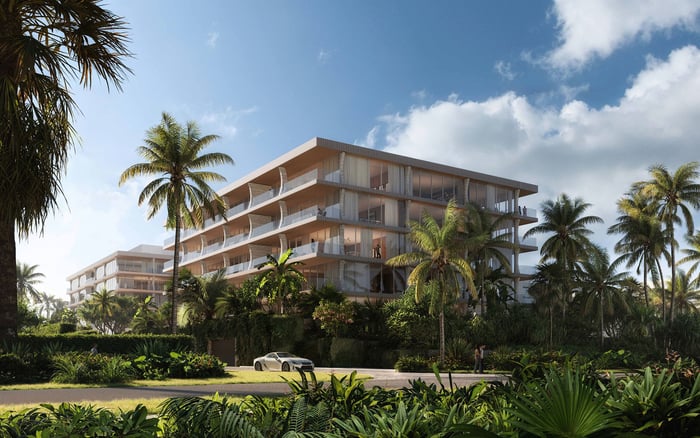
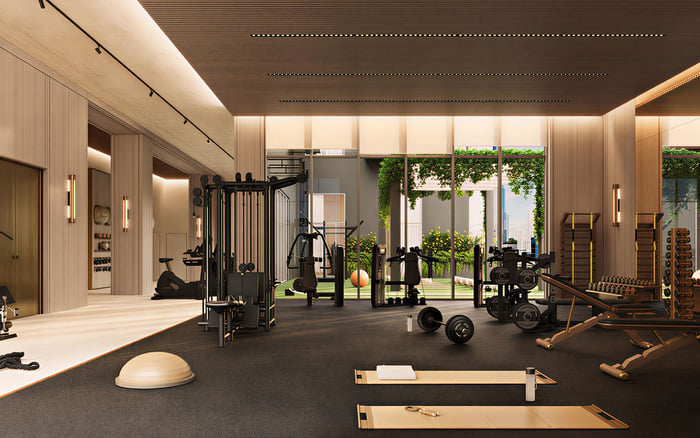
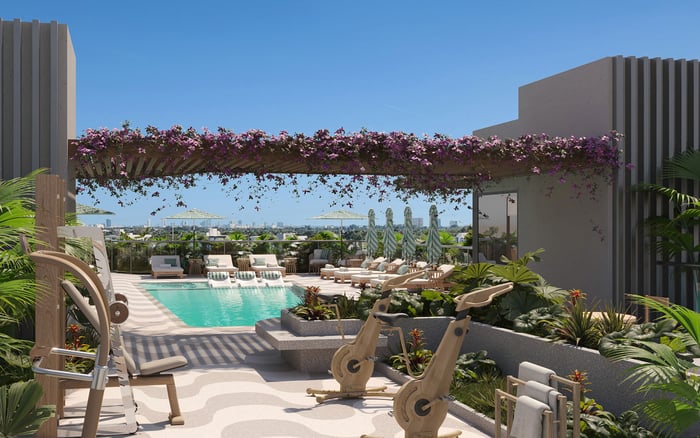
A discreet buyer’s guide for comparing Aspen sensibilities with South Florida’s wellness-led residences, focusing on daily rituals, climate comfort, privacy, service, and long-term livability.
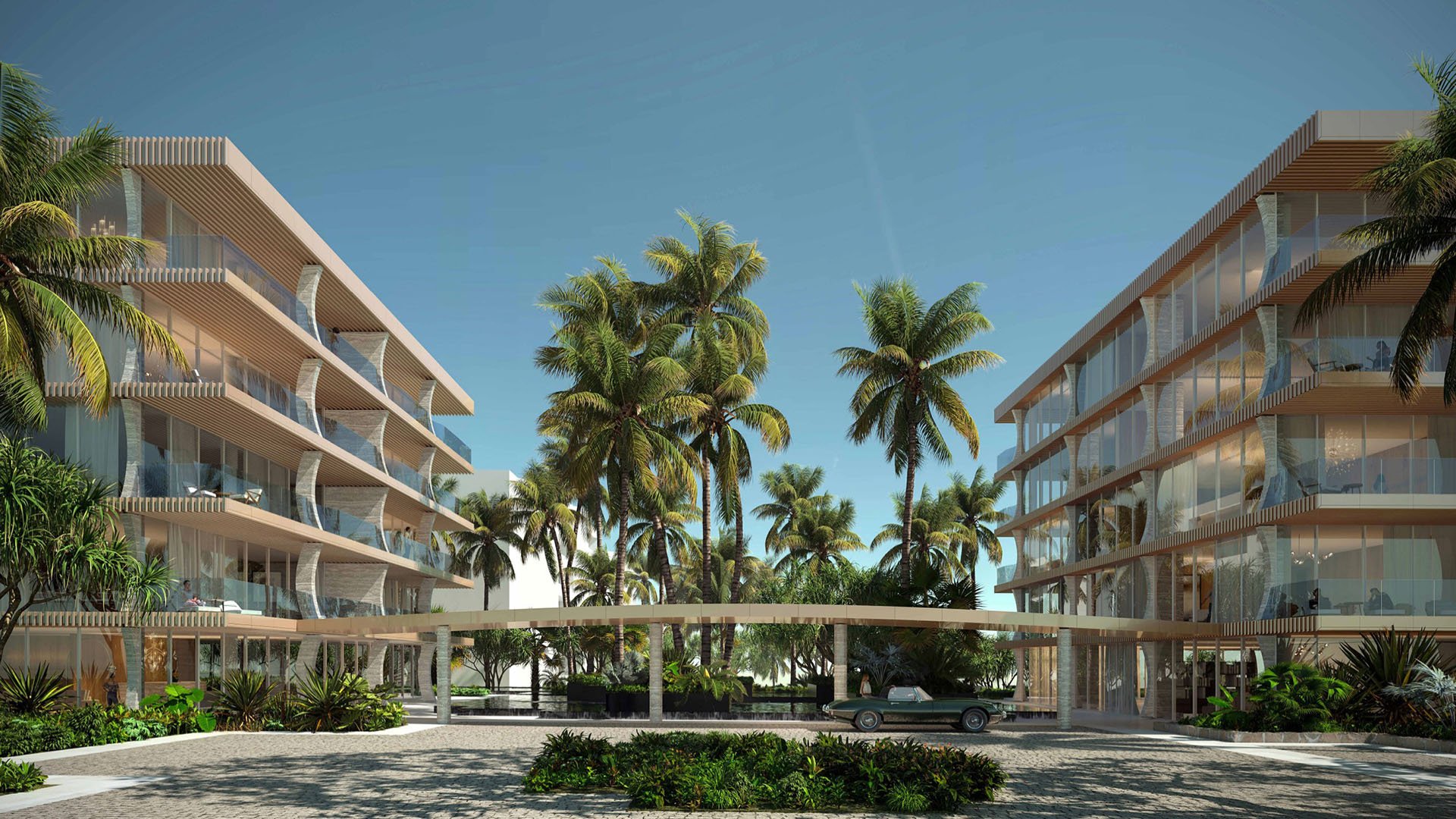
The buyer moving between Aspen and Palm Beach is rarely seeking more luxury in the abstract. The more precise question is this: which residence will make the body feel better, the calendar feel calmer, and the household feel more protected, day after day?
Wellness-led living is not defined by a large gym, a treatment room, or a beautiful pool deck. Those elements can be appealing, but they are only the visible layer. The more important test is whether the residence supports recovery, sleep, privacy, air quality, outdoor rhythm, and frictionless service without making home feel clinical. A true wellness residence makes healthy routines easier to keep and less performative to maintain.
For Aspen-oriented buyers, the comparison is often emotional as much as practical. Mountain living rewards privacy, quiet, nature, and seasonal ritual. Palm Beach and the broader South Florida coast offer a different expression: light, water, ease of arrival, outdoor dining, and a social calendar that can be as discreet or as active as the owner prefers. The right residence translates those values without requiring a new identity.
A mountain home often organizes life around altitude, fireside gathering, ski storage, trail access, and a strong threshold between public and private space. A South Florida residence should be judged through a coastal lens: shade, breeze, humidity control, protected terraces, graceful arrival, and interiors that remain serene when the sun is high.
Buyers should walk a prospective residence at different times of day. Morning light can feel restorative, while harsh afternoon exposure may determine how often a terrace is used. A beautiful outdoor room matters only if it is comfortable in real life. Ask how the primary suite handles light and sound, where the best reading chair would sit, and whether the kitchen supports quiet family meals as naturally as entertaining.
This is where floor plan discipline becomes wellness. Split bedrooms, private elevator entries, generous closets, service corridors, and well-scaled terraces can matter more than a dramatic lobby. A home that allows guests, staff, children, and owners to move without collision will feel calmer before the first spa appointment is ever booked.
South Florida gives buyers a broad wellness geography. Bay Harbor Islands and Coconut Grove speak to neighborhood intimacy and daily ease. Palm Beach and Palm Beach Gardens lean into privacy, polish, and a softer rhythm. Boca Raton offers a composed residential sensibility for buyers who want club-like convenience without necessarily choosing a high-profile address.
In Bay Harbor Islands, The Well Bay Harbor Islands is a natural reference point for buyers who want wellness to be more than an afterthought. In Coconut Grove, The Well Coconut Grove fits a different mood, one tied to canopy, village scale, and a more organic daily pace.
Palm Beach buyers often focus on restraint, privacy, and a sense of arrival that feels effortless rather than theatrical. Palm Beach Residences belongs in that conversation for those studying the island lifestyle through a residential lens. Farther north, The Ritz-Carlton Residences® Palm Beach Gardens may appeal to buyers who value branded service and a quieter coastal setting.
For those considering Boca Raton, Alina Residences Boca Raton offers a useful comparison against Palm Beach, especially when the priority is a polished full-time or seasonal base with a residential feel.
The best wellness-led residence should withstand a rigorous, personal interrogation. How does the building handle arrivals after travel? Can owners move from car to residence with privacy and ease? Is there enough storage for two-season wardrobes, golf, beach equipment, wellness gear, and visiting family? Does the primary bath feel genuinely restorative, or simply expensive?
Buyers should also examine the quiet details. Mechanical systems, elevator flow, acoustic separation, package handling, pet circulation, staff access, and guest parking all affect stress. A residence can be beautifully furnished and still feel inefficient if daily logistics are poorly resolved.
For buyers also considering Miami’s urban energy, Brickell adds a different benchmark. The Residences at 1428 Brickell can help frame the contrast between vertical city wellness and the softer coastal cadence of Palm Beach, Boca Raton, and Palm Beach Gardens.
Service is a defining variable. Some buyers want hotel-caliber support, from valet to concierge to managed wellness programming. Others want privacy above all and prefer a residence that feels almost invisible in its operations. Neither approach is inherently better. The correct answer depends on household style.
A highly serviced building can simplify ownership, especially for seasonal residents. It may reduce the friction of arrivals, maintenance, deliveries, and guest coordination. A more private residential environment may better suit owners who travel with staff, keep their own routines, or want fewer shared touchpoints.
The mistake is assuming that more service always equals more wellness. Wellness is the removal of unnecessary stress. For one household, that means a concierge who anticipates needs. For another, it means no one knowing when they arrive.
A wellness-led purchase should feel deeply personal, but not eccentric. The strongest residences combine emotional pull with broad, durable appeal: logical layouts, protected outdoor space, quality finishes, strong privacy, natural light, and a location that supports daily life beyond the building.
Buyers coming from Aspen should be especially careful not to choose only for vacation mood. South Florida living is at its best when the residence works on an ordinary Tuesday, not just during peak social season. The right home should support a restorative morning, an efficient workday, a private dinner, and a graceful departure to the airport with equal confidence.
The final filter is simple: after the tour, does the residence make you exhale? If the answer is yes, and the practical details hold up under scrutiny, the home is doing more than marketing wellness. It is quietly delivering it.
What makes a residence wellness-led? It supports healthier daily living through light, privacy, comfort, recovery spaces, service, and ease of movement, not just through amenities.
Should Aspen buyers prioritize Palm Beach or Miami? It depends on desired pace. Palm Beach offers a quieter residential rhythm, while Miami offers more urban energy and vertical convenience.
Are branded residences better for wellness buyers? They can be, especially when service quality reduces household friction. The key is whether the brand’s operating style matches your privacy expectations.
How important is outdoor space in South Florida? Very important, but usability matters more than size. Shade, exposure, privacy, and breeze determine how often a terrace is actually enjoyed.
Is a spa amenity enough to define wellness living? No. A spa is useful, but floor plan, acoustics, air comfort, arrival sequence, and service culture often shape daily wellness more deeply.
What should seasonal buyers examine first? Arrival, security, maintenance, package handling, parking, and lock-and-leave systems should be reviewed before focusing on finishes.
Can a city residence feel wellness-oriented? Yes, if it controls noise, simplifies movement, provides restorative private space, and offers services that make urban life feel calmer.
How should buyers compare Palm Beach Gardens and Palm Beach? Palm Beach Gardens may suit buyers seeking a quieter coastal setting, while Palm Beach appeals to those drawn to island privacy and tradition.
What is the biggest mistake in choosing a wellness residence? Buying the amenity story instead of testing the lived experience. The residence should improve ordinary days, not just impress during a tour.
What is the best way to shortlist comparable options for touring? Start with location fit, delivery status, and daily lifestyle priorities, then compare stacks and elevations to validate views and privacy.
When you're ready to tour or underwrite the options, connect with MILLION.
If branded residences are on your mind — as a home or as an allocation — we would be glad to share what we are seeing, privately.
Begin a quiet conversation