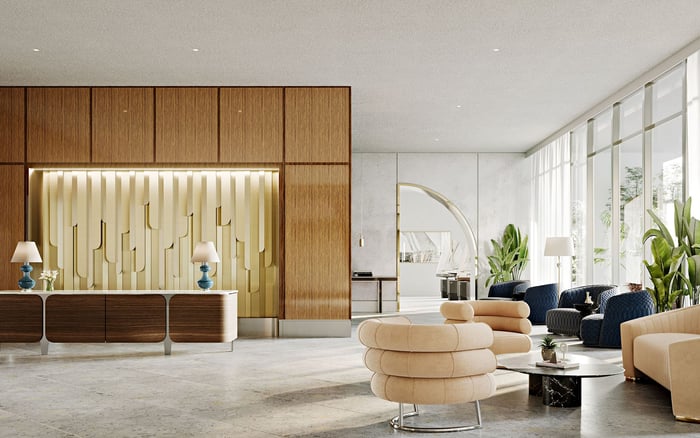
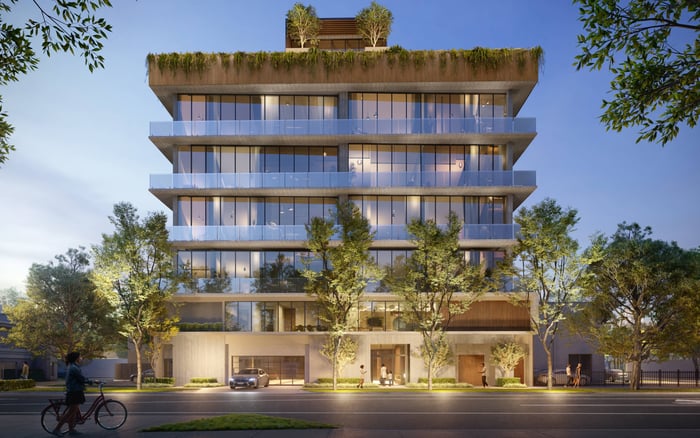
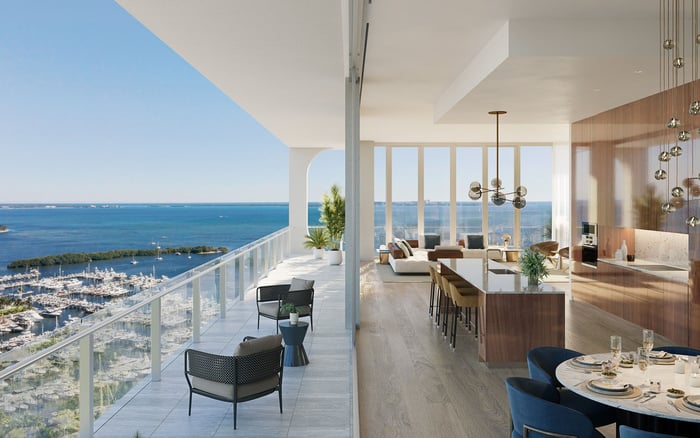
For collectors considering Mr. C Tigertail, the decisive questions extend beyond finishes and square footage. Light exposure, usable wall runs, structural support, environmental stability, delivery protocols, and storm planning all deserve project-specific review before purchase.
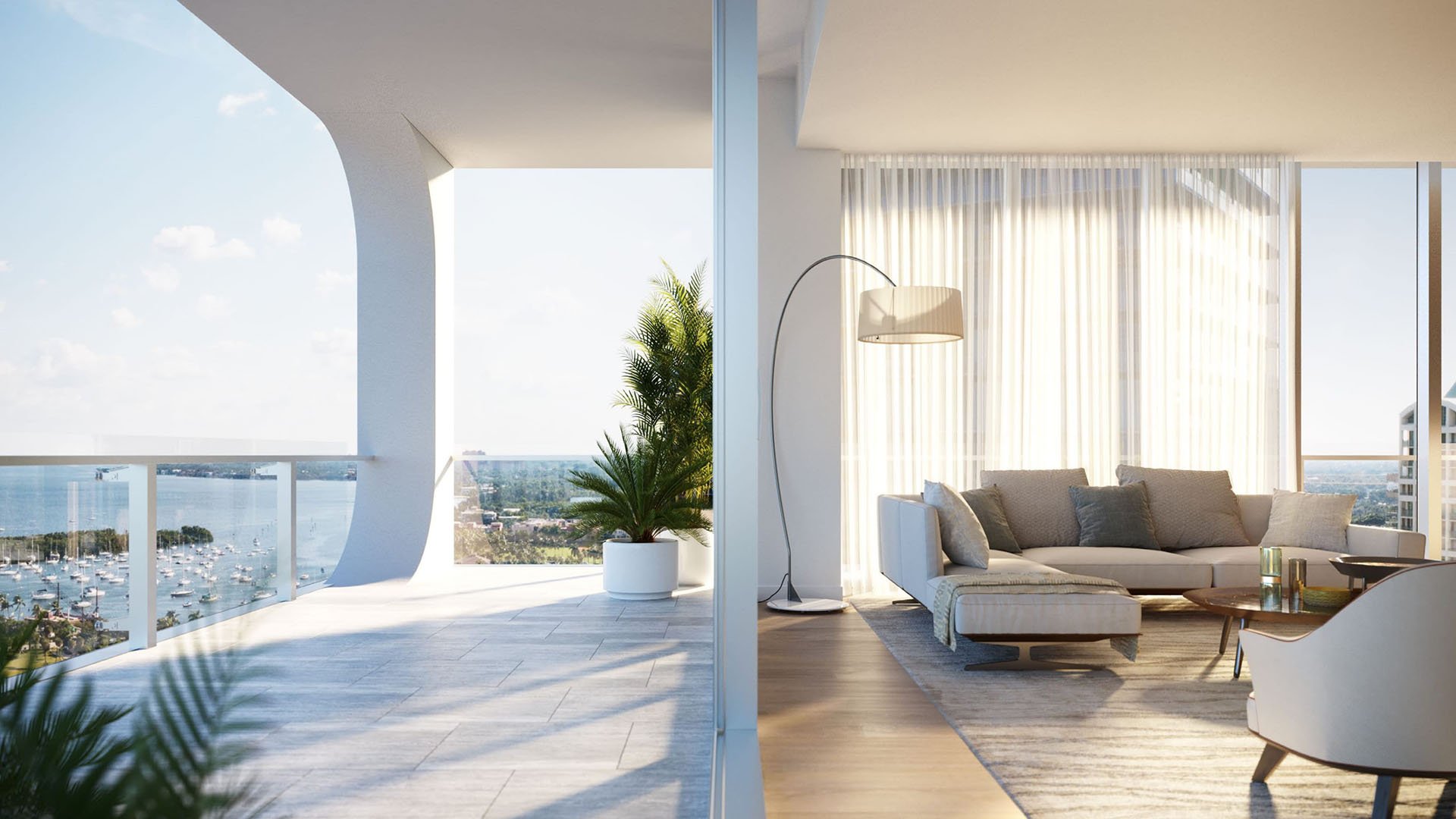
Mr. C Tigertail Coconut Grove is a residential property in Miami's Coconut Grove neighborhood, where subtropical light and coastal humidity create a distinct due-diligence brief for art collectors. The central question is not whether a residence can accommodate art decoratively, but whether its hospitality-oriented design can support conservation-minded living over time.
For collectors, a first viewing of Mr. C Tigertail Coconut Grove should serve as both a residential tour and a collection audit. Bring an inventory of priority works, including approximate dimensions, media, weights, framing requirements, and light sensitivities. That discipline turns an appealing floor plan into a testable display strategy.
This is where Buyer's Guides intersect with Design & Architecture. Within Branded Residences, aesthetic polish is no substitute for technical verification. The same principle applies across Coconut Grove, including comparisons with Four Seasons Residences Coconut Grove: assess each candidate residence against the collection rather than assuming a single specification will suit every owner.
Begin with orientation, window placement, terrace relationships, and the path of direct sunlight through the residence. Paintings, photographs, textiles, and works on paper can have different tolerances, so a bright room should not automatically become a gallery. Request glazing specifications and establish the level of ultraviolet protection provided rather than inferring performance from tint or visual clarity.
Map likely exposure at different times of day, then consider whether shades, UV-filtering treatments, or the relocation of sensitive works may be necessary. Artificial illumination warrants the same rigor. Ask about ultraviolet output, heat generation, dimming range, beam control, fixture placement, and compatibility with conservation-safe display practices. A layered plan should present art elegantly without subjecting every work to full illumination.
Collectors comparing Park Grove Coconut Grove or other Waterfront residences can apply the same orientation study. Views may define a room's emotional appeal, but the collection plan must account for the windows that create them.
Total interior square footage is an incomplete measure of display capacity. Create an elevation-by-elevation survey of uninterrupted wall runs, noting window walls, doors, millwork, switches, thermostats, vents, and other fixtures. A generously proportioned room can offer surprisingly little continuous surface for a large-format work.
Measure clear width and height, then test sightlines from entries, seating areas, and circulation paths. Confirm whether interior walls can safely support heavy framed works or whether reinforcement and specialized mounting systems may be required. Do not authorize installation until qualified professionals have reviewed wall composition, concealed services, anchor requirements, and any applicable condominium rules.
A comparison tour might include The Well Coconut Grove, but the objective is not to count walls casually. It is to document which walls are structurally and visually viable for specific works.
Comfort cooling and collection stewardship are not the same objective. Ask whether the residence's HVAC system can maintain stable temperature and humidity, how conditions vary between perimeter and interior rooms, and what occurs during absences. Miami's humid coastal setting makes control particularly relevant to mold, corrosion, dimensional movement, and other collection risks.
Request HVAC documentation and examine independent environmental monitoring, alert thresholds, sensor placement, maintenance, and supplemental dehumidification. Storage closets and enclosed display cases require equal attention because their microclimates may differ from those of the main room. Salt-laden coastal air should also inform the choice of frames, mounts, hanging hardware, cases, and storage materials.
Coordinate any proposed upgrade before closing when possible. UV-filtering treatments, lighting controls, reinforced walls, monitors, and supplemental dehumidification may affect budgets, approvals, installation sequencing, and the final furniture plan.
A collector's security review should encompass the full movement path of a work, from building access to residence entry. Request a private briefing on access control, surveillance, staffing, visitor procedures, loading access, elevator use, installer credentials, temporary staging, and artwork-delivery protocols. Sensitive operational details should be discussed directly with building management rather than inferred from public-facing descriptions.
Storm planning is equally consequential. Review impact protection, water-intrusion contingencies, backup power, emergency procedures, and insurance requirements. Identify where works could be moved temporarily and whether the route will remain practical once furniture is installed. Insurance advisers, conservators, art handlers, lighting specialists, HVAC professionals, and structural experts should assess matters within their respective disciplines.
The strongest purchase decision is conditional and documented. Secure architectural drawings, glazing specifications, HVAC information, relevant condominium rules, and permission requirements. Then conduct an on-site inspection with the collection plan in hand. A refined residence can become a convincing micro-gallery, but only when atmosphere and stewardship are designed together.
Why does unit orientation matter to an art collector? Orientation and window placement determine how much direct subtropical sunlight reaches potential display areas.
Is tinted glass sufficient protection for sensitive art? Tint alone does not confirm ultraviolet performance, so buyers should review the glazing specification itself.
How should usable wall space be calculated? Measure uninterrupted wall runs after accounting for windows, doors, millwork, controls, vents, and circulation.
Can every interior wall support a heavy artwork? Not necessarily. Confirm wall construction, concealed services, anchoring requirements, and any need for reinforcement.
What should an art-lighting review cover? Assess ultraviolet output, heat, dimming, beam control, fixture placement, and conservation compatibility.
Is standard air conditioning enough for a collection? Do not assume so. Verify whether the system can maintain suitably stable temperature and humidity over time.
Why is humidity monitoring important in Miami? Coastal humidity can contribute to mold, corrosion, dimensional movement, and related collection risks.
What security questions should a buyer ask? Ask privately about access, surveillance, staffing, visitors, loading, deliveries, staging, and installer procedures.
How should hurricane exposure affect planning? Review impact protection, water intrusion, backup power, emergency movement plans, and insurance coverage.
Which upgrades can help create a residential micro-gallery? Options may include UV treatments, lighting controls, reinforced walls, environmental monitors, and dehumidification.
For a confidential assessment and a building-by-building shortlist, connect with MILLION.
If branded residences are on your mind — as a home or as an allocation — we would be glad to share what we are seeing, privately.
Begin a quiet conversation