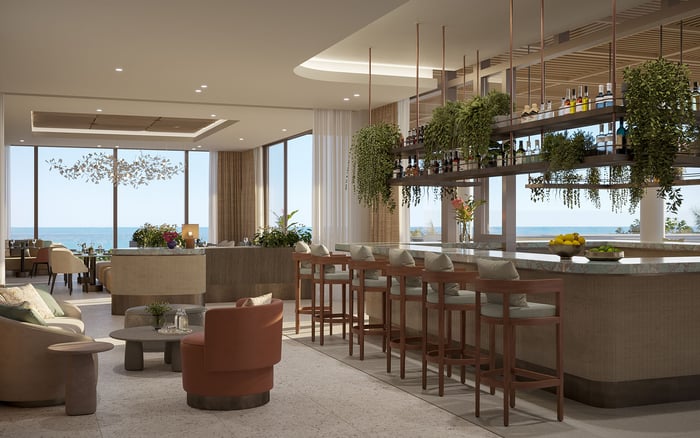
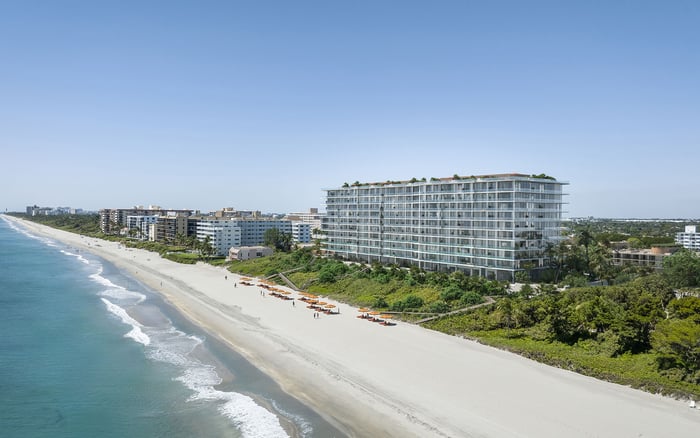
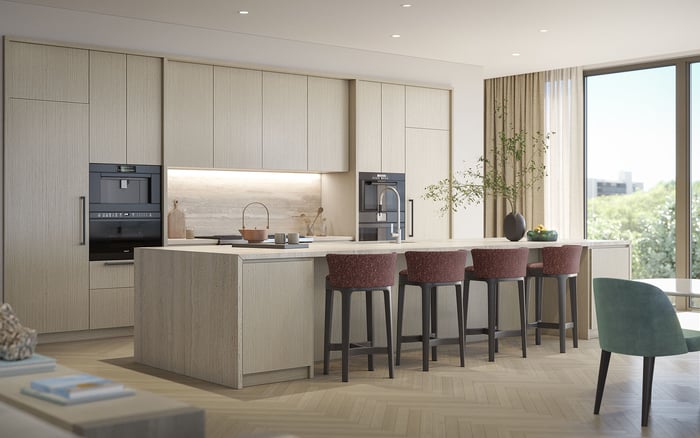
A Hillsboro Beach purchase should be evaluated as both a residence and an operating system. Staffing continuity, storm preparation, vendor authority, insurance coordination, and reopening procedures can materially shape the experience of seasonal ownership.
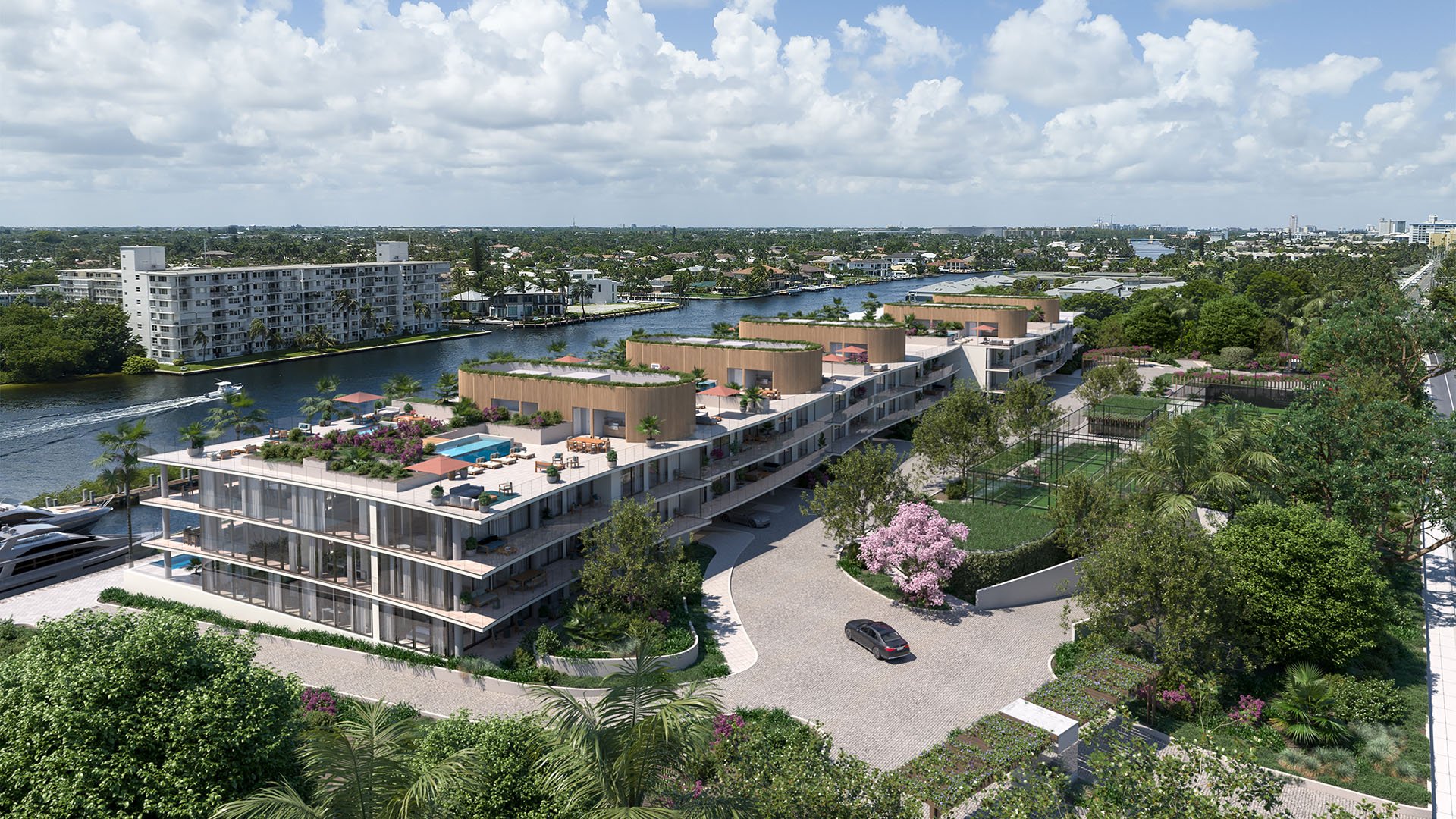
The appeal of a Hillsboro Beach home is easy to understand emotionally. The ownership decision, however, warrants a more operational lens. For a buyer who will be absent for extended periods, the residence must continue to function without daily supervision. Staffing depth, vendor access, storm preparation, and post-event inspection therefore belong in the acquisition analysis-not on a list of matters to resolve after closing.
Even a polished property can require substantial coordination. Before committing, define who watches the home, who may authorize work, how quickly that person can respond, and what happens when the usual caretaker is unavailable. The strongest plan is not necessarily the largest team. It is the one built around clear accountability, documented authority, reliable backups, and a reporting cadence suited to the owner.
Second-home ownership often involves several distinct roles: routine residence care, housekeeping, landscape or exterior oversight, mechanical service, security coordination, and preparation for the owner’s arrival. One individual may coordinate several functions, but the buyer should understand precisely where each responsibility begins and ends.
Ask candidates or management teams to explain their coverage during holidays, personal leave, and periods of elevated demand. Establish whether inspections are visual or documented, whether photographs are included, and how urgent issues are escalated. If household staff will handle keys, vehicles, deliveries, or vendor entry, those permissions should be explicit.
Compensation is only one line in the staffing budget. Recruitment, backup coverage, payroll administration, insurance considerations, vendor call-outs, and arrival or departure days can alter the annual picture. Rather than rely on a single flat estimate, model a normal month, a vacant month, and a disruption scenario.
A storm lock-up plan should read like an execution document, not a general promise to secure the property. It can identify the decision-maker, activation trigger, task sequence, approved vendors, access permissions, documentation standards, and spending limits. It should also specify who confirms completion and how that confirmation reaches the owner.
The checklist will depend on the residence. Potential tasks may include securing movable exterior items, checking openings, protecting selected contents, confirming power-related procedures, reviewing drainage areas, coordinating vehicles, and preserving access for authorized personnel. Buyers should ask their insurance adviser and qualified property professionals which measures apply to the specific home and policy.
Reopening deserves equal attention. A post-event sequence may include safe access, visual inspection, leak checks, photography, vendor triage, insurer notification, and an interior climate review. Without a reopening plan, even a carefully secured home can remain unattended when timely observation matters most.
The purchase price does not capture the complete experience of a seasonally occupied waterfront or oceanfront residence. A practical ownership model should account for routine care, preventive maintenance, emergency response, staffing administration, storm preparation, post-event review, and the cost of maintaining redundant support.
The buyer should also distinguish fixed obligations from event-driven expenses. A monthly management fee may cover scheduled inspections while excluding preparation labor, specialist vendors, emergency attendance, or recovery coordination. Request a written scope and test it against specific scenarios: a water alert while the owner is abroad, a caretaker who cannot attend, or a property that must be opened on short notice.
Authority matters as much as cost. Decide who can approve an emergency expenditure, which vendors are pre-authorized, and when the owner must be contacted. Subject to legal and insurance advice, these decisions can be incorporated into household manuals, management agreements, and access protocols.
A Hillsboro Beach buyer may begin with Rosewood Residences Hillsboro Beach, then broaden the review to alternatives in nearby coastal markets. The aim is not to assume equivalent offerings, but to compare how each ownership structure handles absence, access, oversight, and emergency coordination.
In Pompano Beach, Armani Casa Residences Pompano Beach and The Ritz-Carlton Residences® Pompano Beach can form part of a service-model comparison. Farther south, Auberge Beach Residences & Spa Fort Lauderdale offers another Fort Lauderdale reference point, while Glass House Boca Raton brings Boca Raton into the comparative set.
For every property, request the current governing documents, service descriptions, fee schedules, access rules, emergency procedures, and insurance requirements. Names and finishes may shape desire, but operating details determine how confidently the residence can be left-and how smoothly it can be reoccupied.
Before the inspection period ends, assign responsibility for routine observation, emergency dispatch, storm preparation, and post-event reporting. Confirm backup personnel, key custody, digital access, vendor credentials, communication channels, and spending authority. Review the proposed arrangements with appropriate legal, insurance, tax, and household-employment advisers.
Finally, conduct a tabletop exercise. Imagine receiving an alert while traveling, then walk through every call, approval, site visit, and report. Each uncertain step reveals a gap to close before ownership begins. In this segment of Broward, discretion is valuable, but precision makes that discretion sustainable.
Why should staffing be considered before buying? Staffing requirements influence recurring costs, response capacity, privacy, and the ease of leaving a residence vacant.
Is a single caretaker sufficient? It may be, provided responsibilities are clear and dependable backup coverage is documented.
What belongs in a storm lock-up plan? Include authority, triggers, tasks, vendors, access permissions, spending limits, completion evidence, and owner communications.
Who should approve emergency work? The owner should establish written approval thresholds and identify an authorized decision-maker in advance.
Should reopening be planned separately? Yes. Reopening can require safe access, inspection, documentation, vendor triage, and interior-condition checks.
How should buyers estimate seasonal operating costs? Model routine months, vacant periods, arrival preparation, backup staffing, and event-driven work separately.
What should a management proposal specify? It should define included inspections, exclusions, response standards, reporting, vendor coordination, and additional charges.
Do condominium and private-home plans differ? They can differ in access, responsibility, staffing scope, exterior care, and coordination with building personnel.
What documents should be reviewed before closing? Review governing documents, service scopes, insurance requirements, access rules, fee schedules, and emergency procedures.
What is the best test of a proposed plan? Run a realistic absence scenario and identify who acts, who pays, who approves, and who reports at each step.
When you're ready to tour or underwrite the options, connect with MILLION.
If branded residences are on your mind — as a home or as an allocation — we would be glad to share what we are seeing, privately.
Begin a quiet conversation