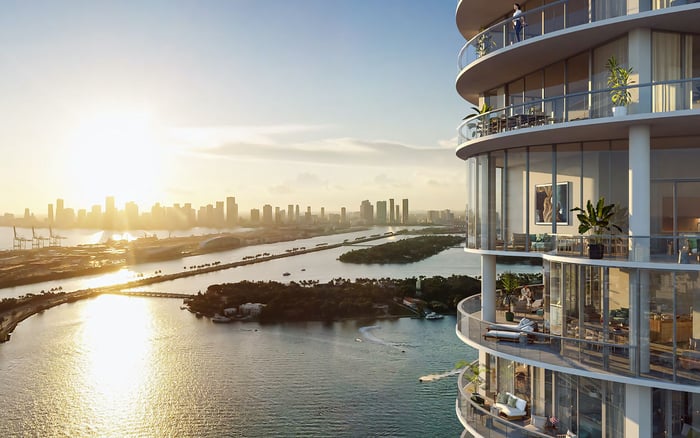
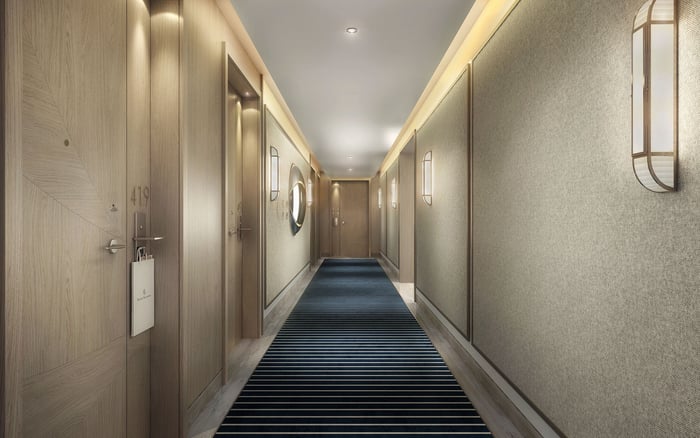
For serious collectors, a Miami Beach residence must function as both home and controlled art environment. Freight geometry, glazing data, private circulation, and event-week operating rules deserve the same scrutiny as views and finishes.
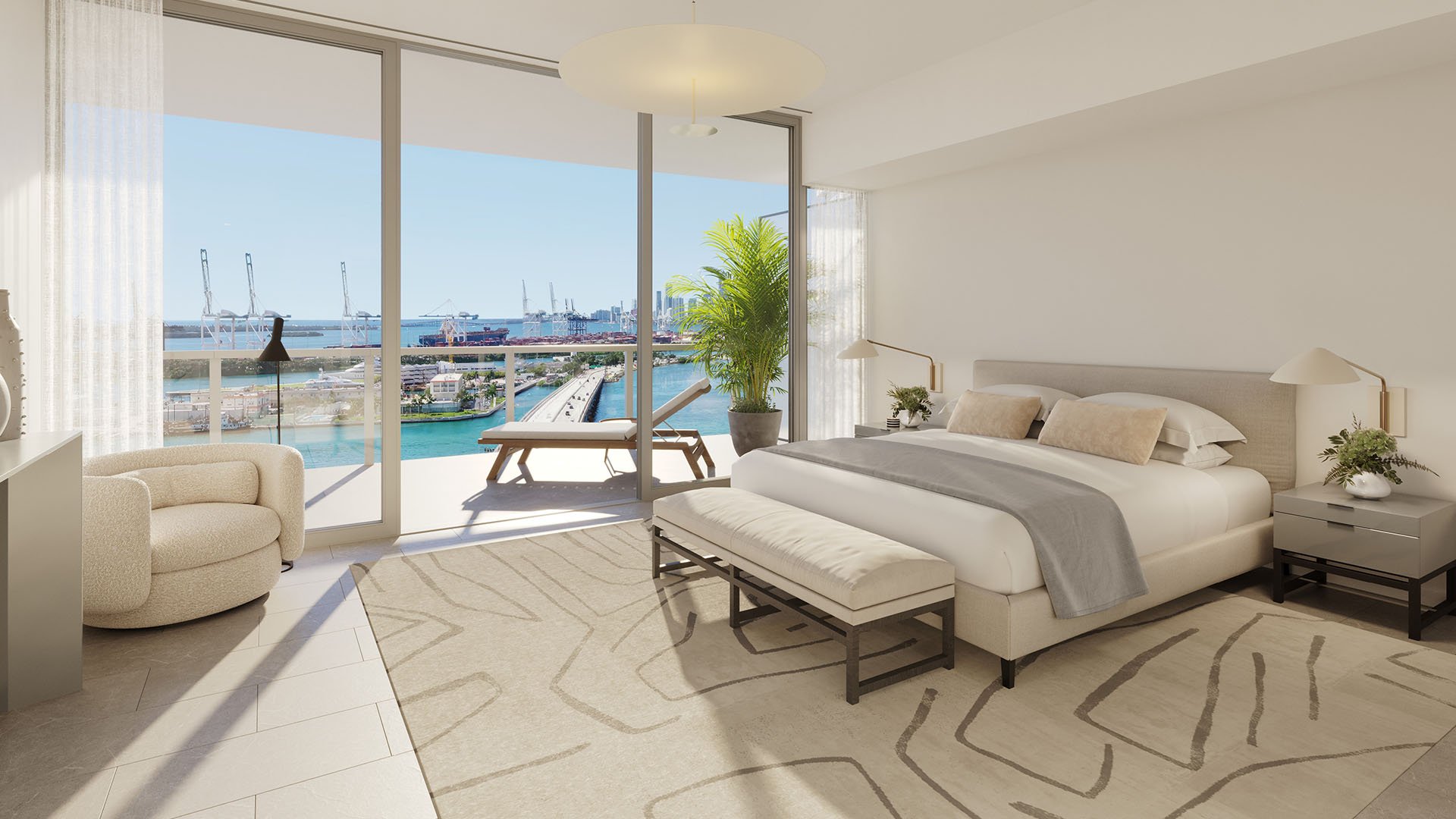
For an art collector, a Miami Beach residence is more than an elegant setting. It is the final stage in a logistical, environmental, and security chain that begins at the curb. A sweeping salon may appear ideal for large-scale work, yet the more consequential questions often lie behind the scenes: Can a crated piece clear the delivery route? Who controls elevator access during installation? What glazing and shading information is available for sustained coastal light?
The residence decision should unite aesthetics with operating discipline, particularly when deliveries, installers, advisers, residents, and guests may require carefully coordinated access.
This lens can sharpen comparisons between The Perigon Miami Beach and Shore Club Private Collections Miami Beach. Buyers should assess each candidate through documented routes, available glazing specifications, and confirmed access procedures rather than infer performance from presentation alone.
The presence of a loading area or freight elevator is only a starting point. Buyers should verify cab dimensions, door openings, stated capacity, booking rules, protective requirements, and operating hours directly with building management.
Measure the entire proposed route from vehicle to installation wall. Review the loading approach, elevator threshold, corridor width, door clearances, ceiling obstructions, and every turning point. Use the collection’s largest anticipated crate as the test case rather than relying on an average delivery.
Request applicable restrictions in writing, including contractor approvals, insurance requirements, staffing rules, deposits, and advance-notice periods. Then conduct an on-site route test with measurements. When touring a South of Fifth residence, treat private arrival as distinct from freight capability: private circulation should not be assumed to establish that an oversized work can reach the residence.
Do not infer UV performance from an impact-rating label. Instead, request the exact window product information and any manufacturer documentation available for UV transmission, visible-light transmission, solar heat gain, interlayers, and applied coatings.
Buyers should also confirm whether opening protection depends on the installed glazing or another approved system. Floor level, orientation, window area, shading, and the proposed location of each work should be reviewed as separate parts of the display plan.
Interior measures may include conservation glazing on framed works, UV-filtering shades, controlled lighting, and rotation plans. These choices should follow a review of the residence’s documented conditions rather than assumptions based on marketing terminology.
General amenity language does not explain the complete access protocol. Ask management how temporary visitor credentials, service entrances, loading reservations, elevator permissions, garage access, valet procedures, camera coverage, and after-hours contractor movement are handled during high-traffic periods.
Private elevator entry or a keyed bank may be relevant to circulation planning, but buyers should still confirm override authority, credential duration, escort practices, and service scheduling. Ask whether event-week procedures differ from ordinary operations and whether deliveries can be arranged around peak arrival windows.
A comparison involving The Ritz-Carlton Residences® Miami Beach should therefore extend beyond the visible arrival experience. The practical question is how the building would coordinate art handlers, installers, advisers, residents, and guests when carefully timed access is required.
Assemble freight dimensions, route photographs, available window documentation, condominium rules, contractor requirements, and written event-week procedures in one purchase file. Project marketing can identify questions, but buyers should rely on governing documents, technical specifications, management confirmation, and a physical route test for final diligence.
The decision is not simply which residence displays art most beautifully. It is which candidate offers the documented access, environmental information, and operating procedures needed to support the collection.
Why should an art collector evaluate the freight route? The route determines whether a planned crate can move from the delivery point to the installation wall without an avoidable clearance problem.
What should be measured before a move? Measure the proposed route’s loading approach, elevator, doors, corridors, thresholds, ceilings, and turns.
Is the presence of a freight elevator enough? No. Confirm its dimensions, stated capacity, booking rules, protective requirements, and operating hours.
Should impact-rating information be used as proof of UV performance? No. Request separate product documentation addressing UV transmission and other relevant glazing characteristics.
What glazing documents should a buyer request? Ask for the exact product information and available manufacturer data covering UV transmission, visible light, solar heat gain, interlayers, and coatings.
How should floor level and orientation be considered? Review them alongside window area, shading, and the proposed placement of sensitive works rather than treating any one factor as conclusive.
Is private elevator entry enough for a secure art delivery? Not by itself. Buyers should also verify credential controls, override authority, escort practices, and service scheduling.
What should be confirmed for event-week access? Confirm visitor credentials, service entrances, loading reservations, elevator permissions, garage procedures, and after-hours contractor rules.
Should freight and contractor details be obtained in writing? Yes. Request applicable dimensions, operating rules, insurance requirements, deposits, and advance-notice periods in writing.
What is the most useful final diligence step? Conduct an on-site route test and confirm the relevant building procedures before committing.
For a confidential assessment and a building-by-building shortlist, connect with MILLION.
If branded residences are on your mind — as a home or as an allocation — we would be glad to share what we are seeing, privately.
Begin a quiet conversation