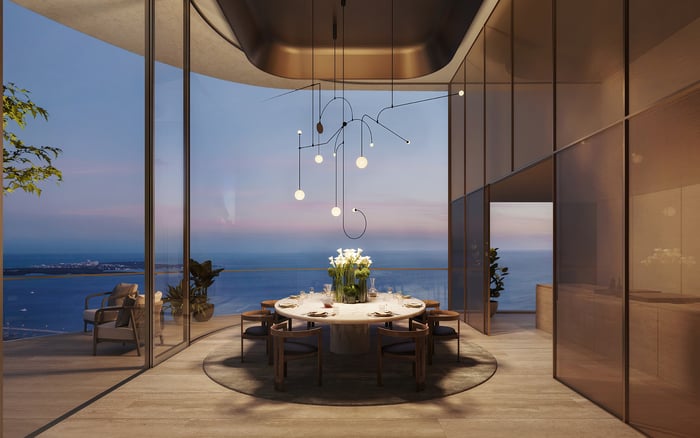
A due-diligence framework for comparing private dining, catering access, guest policies, costs, privacy, and event restrictions at EDITION Edgewater and The Residences at Mandarin Oriental, Miami.
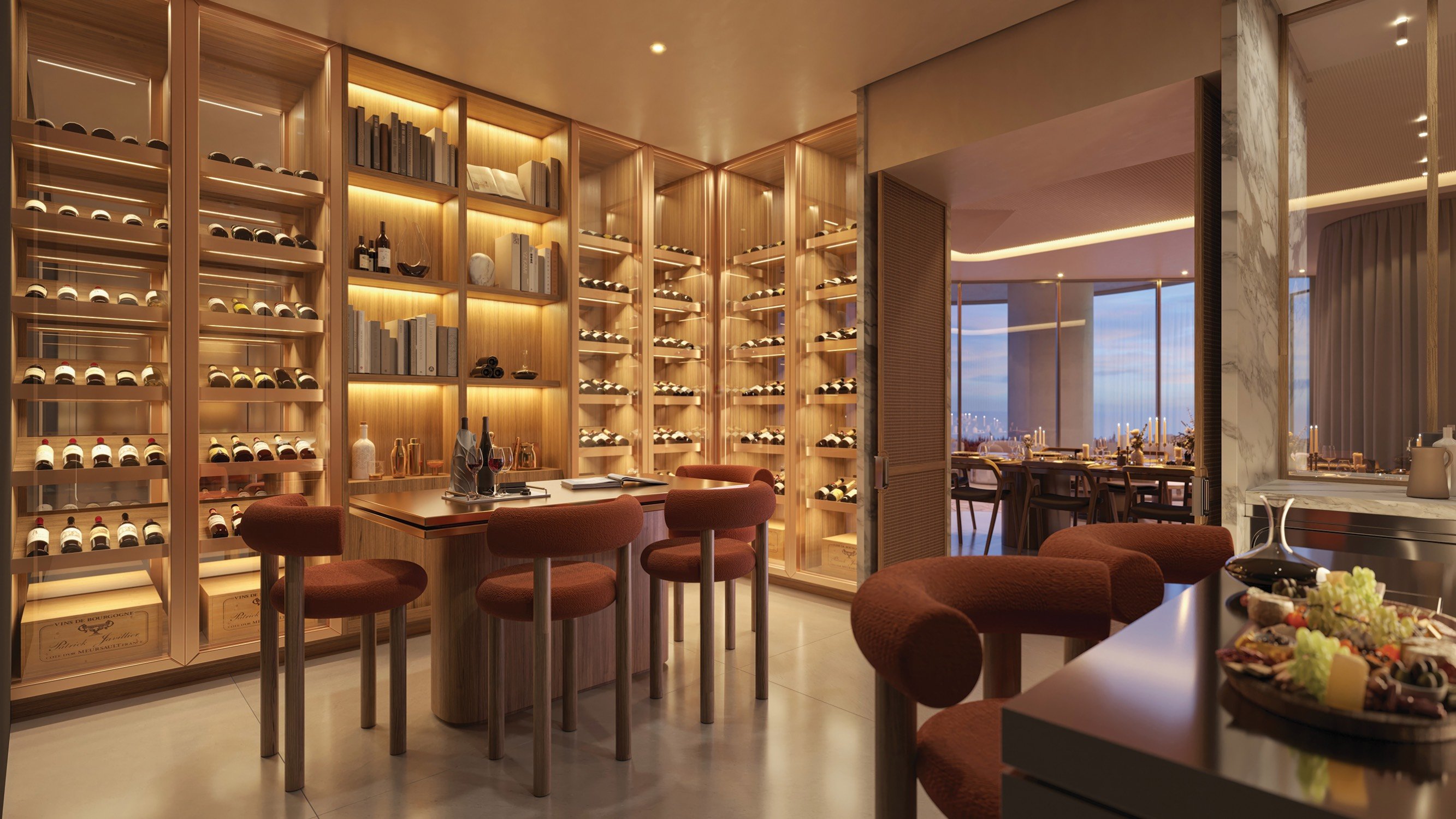
For buyers who entertain regularly, the practical value of private dining depends on the operating framework behind it. The key questions are who controls the space, how reservations are approved, which culinary teams or vendors may serve it, and whether the intended gathering is permitted.
When comparing EDITION Edgewater with The Residences at Mandarin Oriental, Miami, buyers should avoid treating access, priority, approval, and complimentary use as interchangeable concepts. Each right should be confirmed in the applicable purchase, condominium, amenity, and operating documents.
Request a written description of every private dining space available to residents. Confirm whether the venue is reserved exclusively for residents, shared with another component, or managed by a separate operator. Buyers should also determine whether access is a contractual right, a revocable privilege, or subject to future rules and availability.
Ask for capacity limits, booking windows, permitted hours, deposits, cancellation terms, cleaning charges, staffing requirements, and food-and-beverage minimums. If recurring entertaining is important, verify whether an owner may hold multiple future reservations and whether peak dates carry different restrictions.
The same analysis can help buyers place the two named properties within the wider South Florida market. Existing options such as Aria Reserve Miami and Villa Miami can be reviewed through the same document-based framework rather than compared solely by the number or appearance of amenity spaces.
A private dining room may be less useful if the preferred chef, caterer, planner, florist, musician, or rental provider cannot enter or operate in the building. Buyers should request the vendor approval process, insurance requirements, loading procedures, delivery hours, elevator rules, security protocols, and cleanup obligations.
Catering access should be examined separately for in-residence service, residential amenity areas, and any venue managed by another operator. Permission in one setting does not establish permission in another. Alcohol service, outside food, live entertainment, décor installation, open flames, amplified sound, and temporary equipment may each be governed by different rules.
Buyers should present realistic event scenarios during due diligence. A seated family dinner, business reception, fundraiser, wedding-related gathering, or late-night celebration may trigger different attendance limits, security requirements, insurance obligations, or noise restrictions.
Ask management or the appropriate operator to provide a complete schedule of potential charges. Relevant items may include venue fees, deposits, staffing, catering minimums, service charges, security, cleaning, valet, equipment, insurance, and cancellation penalties. Do not assume that resident access means free use or preferred pricing.
Those evaluating other branded properties, including The Residences at 1428 Brickell, should apply the same distinction between marketed hospitality benefits and enforceable owner rights.
Event logistics can affect residents beyond the dining room itself. Review how guests, caterers, deliveries, staff, and equipment move through entrances, loading areas, elevators, parking facilities, and security checkpoints. Ask whether event attendees share residential circulation routes and whether management may require additional personnel.
Buyers should also review rules concerning guest registration, arrival times, valet service, parking allocations, vendor identification, and post-event departures. These details can determine whether hosting feels seamless or operationally burdensome.
The right choice depends on the buyer’s actual hosting pattern, not on branding alone. Prepare a list of likely events, expected attendance, preferred service providers, typical hours, catering needs, alcohol plans, entertainment, parking requirements, and desired frequency.
Then request the condominium declaration, current amenity rules, reservation policies, fee schedules, shared-use agreements, vendor requirements, and any venue-specific contracts relevant to those plans. Material permissions or representations should be confirmed in writing with the appropriate legal and real estate advisers before purchase.
What is the first private dining question a buyer should ask? Ask whether access is an enforceable ownership right or a privilege governed by availability and changeable operating rules.
Does access guarantee priority reservations? No. Booking priority, reservation windows, blackout dates, and approval procedures should be verified separately in writing.
Can an owner use an outside caterer? That depends on the applicable rules. Confirm vendor approval, insurance, loading, staffing, kitchen-use, and cleanup requirements for each setting.
Should in-residence catering and amenity catering be reviewed separately? Yes. Different spaces may have different operators, service requirements, fees, and vendor restrictions.
Which event costs deserve review? Examine venue fees, deposits, food-and-beverage minimums, staffing, service charges, security, cleaning, valet, equipment, insurance, and cancellation penalties.
Why do guest limits matter? Capacity rules may determine whether a planned dinner or reception is permitted, regardless of the room’s apparent size.
Why should buyers examine circulation routes? Guest, vendor, loading, elevator, parking, and security procedures directly affect privacy and the practical ease of hosting.
Can a private dining room automatically be used for a wedding or fundraiser? No. Buyers should obtain written confirmation for the specific event type, attendance, schedule, catering, alcohol, entertainment, and security plan.
Which documents should buyers request? Request the declaration, amenity rules, reservation policies, fee schedules, shared-use agreements, vendor requirements, and relevant venue contracts.
How should buyers compare the two named properties? Test each property’s written rules and costs against a realistic calendar of anticipated events rather than relying only on marketing descriptions.
For a confidential assessment and a building-by-building shortlist, connect with MILLION.
If branded residences are on your mind — as a home or as an allocation — we would be glad to share what we are seeing, privately.
Begin a quiet conversation