Turn an Art Basel Miami Beach visit into a disciplined home-search trip by protecting neighborhood mornings, separating fair access from residential fit, and testing the routines that matter after the invitations end.
An Art Basel trip can introduce a buyer to Miami at its most compelling. It can also leave almost no time to discover whether living here would feel right. The distinction matters: a memorable dinner, an exceptional collection, and an efficient ride to the fair reveal little about the morning you would repeat for years.
Art Basel Miami Beach’s 2026 public dates are December 4-6, with VIP Preview Days on December 2-3. Before accepting invitations, reserve two or three substantial blocks of time for neighborhoods. Treat them as appointments, not gaps that might survive the social calendar. The aim is not to diminish the art experience, but to make room for a different kind of attention.
The most useful home-search itinerary leaves time for an ordinary morning.
The fair takes place at the Miami Beach Convention Center, 1901 Convention Center Drive, in South Beach. Staying nearby can simplify fair attendance. It does not establish that the surrounding neighborhood is the right residential choice.
Choose accommodation around the trip’s practical demands, then evaluate prospective homes against a separate brief. Where would you buy groceries? Would you walk to a casual dinner? How would visiting family arrive? What does returning home feel like when there is no event to attend?
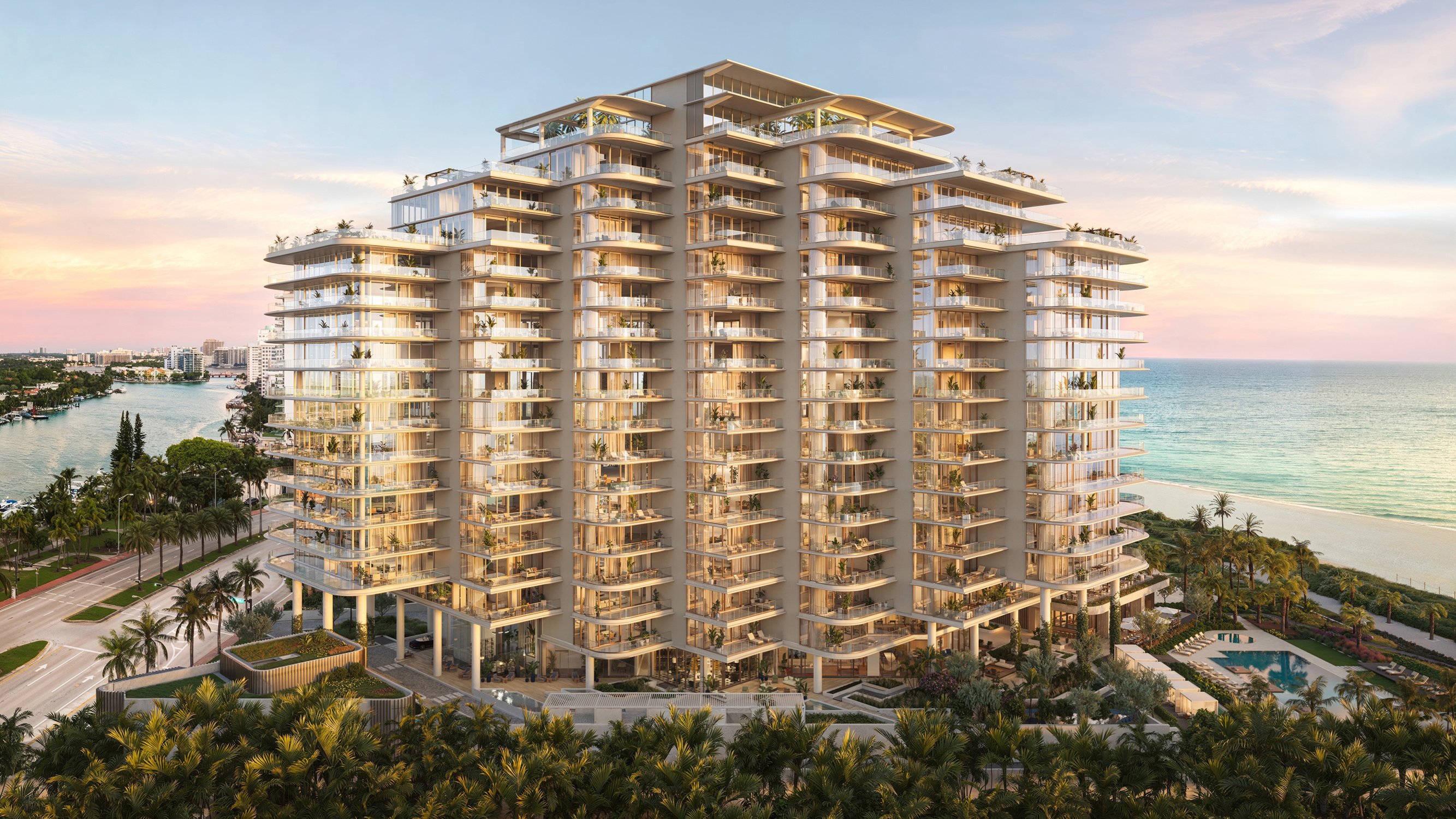
If Five Park Miami Beach is on your shortlist, give the surrounding area its own appointment rather than folding it into a journey to the convention center. Walk the routes you would actually use. A presentation and a neighborhood visit answer different questions; neither should substitute for the other.
Write down your nonnegotiables before arrival. Distinguish daily requirements from occasional pleasures, then apply the same criteria at every stop. This keeps a persuasive viewing from quietly rewriting the brief.
Approach the fair selectively. Decide which galleries or interests deserve attention, set a time window for the fair, and protect the appointment that follows. An open-ended visit is difficult to reconcile with a serious residential search.
Miami Art Week extends beyond Art Basel to satellite fairs, galleries, museums, and related events around the region. An invitation elsewhere is another calendar decision, not simply an extension of time already allocated to the convention center.
For buyers attending previews, protect a neighborhood morning before the December 2-3 commitments begin, or reserve another clearly bounded half-day during the visit. Public-day visitors should make the same trade-off explicit: one fewer optional event can create enough space to understand a neighborhood beyond the experience of arriving.
Leave breathing room between appointments. The goal is to observe, not merely to arrive.
Assign one neighborhood to each half-day. Start with coffee, continue to groceries or a pharmacy, and walk to a casual restaurant, park, or beach access point that matters to your routine. Do not assume a destination is convenient because it looks close on a map. Test the route yourself.
Keep one full morning free of formal property presentations. Carry a small purchase, notice crossings and entrances, and consider whether the walk would still appeal when you are tired or carrying more. These modest exercises bring the search back to the life the home must support.
For a shortlist that includes The Perigon Miami Beach, apply the same discipline to the surrounding streets and intended daily destinations. Confirm separately which property visits can be arranged. A neighborhood assessment should remain useful even when access to a particular residence is unavailable.
Finish with an unhurried meal rather than another presentation. Ask yourself whether you would choose to spend time here without a broker, a host, or an invitation directing the day.
Brickell, Coconut Grove, and Coral Gables should not become hurried additions between a fair visit and dinner. Give each serious candidate a dedicated block of time, accepting that a useful trip may examine fewer neighborhoods in greater depth.
If 2200 Brickell is under consideration, build the neighborhood session around your expected routine rather than your next art engagement. Test the journeys that would matter to you and record the circumstances of each trip. A journey during Art Week is evidence of that particular day, not a dependable benchmark for a normal weekday.
Apply the same approach when considering Arbor Coconut Grove. Reserve enough time to explore everyday destinations and sit down locally. Keep Coral Gables as a separate session if it remains a genuine contender, rather than compressing both areas into a superficial comparison.
Do not use a Sunday departure journey as a substitute for a weekday commute test. If commuting will determine the purchase, plan a return visit outside the event period before treating travel impressions as settled evidence.
Previous Art Week arrangements have included complimentary shuttles and water taxis, alongside enhanced service on Miami Beach’s free, year-round trolley. Those historical arrangements, including late-evening service, are not confirmed 2026 routes or timetables. Confirm current passenger information before building appointments around a connection.
Use event transport where it helps, but distinguish reaching an exhibition from testing everyday travel. A special service may improve the visit without showing how you would travel during an ordinary week.
Return to shortlisted surroundings early and after dark where practical. Observe noise, lobby activity where accessible, loading areas, and valet queues. Record what you see without assuming that event-week intensity is either permanent or irrelevant. Both conclusions require further checking.
Ask your broker for a written comparison covering commutes, parking, building rules, renovation restrictions, and flood and insurance considerations. Separate what you observed from what still needs confirmation. A quiet visit does not establish a building’s usual noise conditions, and an attractive presentation does not resolve ownership questions.
Before departure, identify which neighborhood deserves a normal-week return, which property warrants further diligence, and which apparent advantage was primarily fair-related. The best outcome need not be an immediate decision. It may be a narrower shortlist and a clearer understanding of the ordinary life you want your next home to make possible.
For a considered approach to your South Florida home search, explore MILLION.
If branded residences are on your mind — as a home or as an allocation — we would be glad to share what we are seeing, privately.
Begin a quiet conversationThe public dates are December 4–6, 2026. VIP Preview Days are December 2–3.
The fair takes place at the Miami Beach Convention Center, 1901 Convention Center Drive, in South Beach.
Reserve two or three substantial neighborhood blocks before accepting optional invitations. Assign one neighborhood to each half-day rather than combining several hurried visits.
It can simplify fair attendance, but fair proximity does not establish residential fit. Evaluate everyday destinations and routines separately from lodging convenience.
Try coffee, groceries or a pharmacy, a walk, and a routine journey. Include destinations you would genuinely use rather than only places selected for a property presentation.
Give serious candidates in Brickell, Coconut Grove, or Coral Gables their own dedicated blocks. Avoid treating them as quick detours between art commitments.
Previous Art Week programs included complimentary shuttles and water taxis, but those arrangements do not confirm 2026 routes or hours. Check current passenger information before relying on them.
Treat them as event-week observations, not ordinary commute benchmarks. Arrange a normal-weekday test if commuting matters to the purchase; a Sunday departure is not a substitute.
An evening return offers another opportunity to observe noise, activity, loading areas, and valet queues. Event-week observations still need context before being treated as typical conditions.
Request commutes, parking, building rules, renovation restrictions, and flood and insurance considerations. Keep direct observations separate from matters requiring further confirmation.