A disciplined approach to Miami condo tours separates temporary event restrictions from everyday residential conditions, with practical guidance on routing, building access, and return visits.
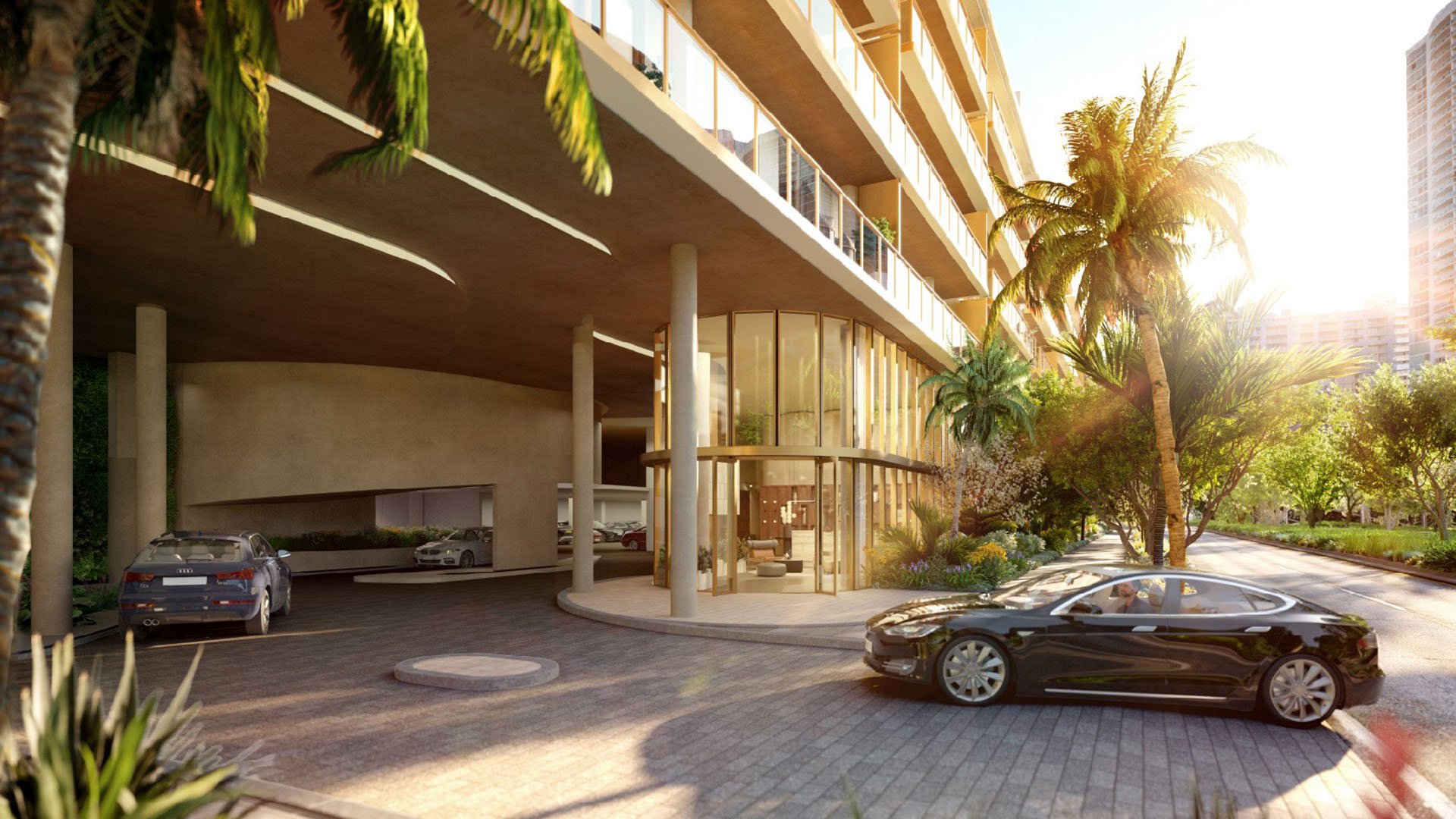
A luxury condo showing begins before the lobby. The approach, arrival sequence, and ease of departure all belong in a buyer’s assessment. During event season, however, those observations need context. A temporary traffic plan should not become a permanent verdict on a neighborhood, just as an unusually quiet afternoon should not set expectations for every weekend.
The objective is not to avoid Miami’s cultural and sporting calendar. It is to distinguish the residence from the circumstances of a particular visit. Record what happened, establish whether an event restriction applied, and return when the comparison matters. For a significant purchase, an additional visit is a sensible part of evaluating the address.
Begin with the showing date and the full journey, including the return trip. Check both Miami Beach and regional event dates. For autumn 2026, NASCAR Championship Weekend is listed for November 6-8, followed by Miami Beach Polo World Cup on November 12-15.
These dates are planning prompts, not evidence that a particular street will close or a condominium entrance will become difficult to reach. An event listing and a traffic notice answer different questions: one identifies activity; the other establishes the applicable access rules.
Before confirming an appointment, ask the showing representative to verify the intended entrance, visitor parking arrangements, and any date-specific arrival instructions with the building. Recheck the route before departure. No single travel buffer makes every event-day itinerary reliable. Leave flexibility rather than treating a fixed allowance as a guarantee.
Miami’s 2026 FIFA World Cup arrangements illustrate how specific event controls can be. They are a historical planning example, not a description of permanent neighborhood access or current October restrictions. Miami was scheduled to host seven matches at the venue known during the tournament as Miami Stadium-the same venue as Hard Rock Stadium.
The match-day plan scheduled NW 199th Street to close beginning at 5:00 a.m. Florida’s Turnpike Exit 2X was restricted to vehicles displaying a valid parking pass, and stadium parking required advance purchase. Rideshare pickups and drop-offs were not permitted at the stadium under that plan.
Restrictions could also affect NW 27th Avenue and nearby Turnpike access. Some controls remained in place after kickoff until stadium traffic cleared. The practical lesson for a buyer is straightforward: an event’s start does not necessarily mark the end of its traffic restrictions.
The event transport arrangements called for planning ahead, arriving early, and using public transportation or shuttles. Shuttles were scheduled to begin approximately three and a half hours before kickoff and continue for up to two hours afterward. Those arrangements were not a substitute for confirming the route and arrival procedure for a private showing elsewhere.
Miami Beach offers another useful distinction between a temporary operating plan and an enduring residential condition. Resolution 2026-34197, as amended March 18, directed an Ocean Drive vehicular closure from the beginning of Memorial Day weekend 2026 through the conclusion of Miami’s World Cup games. That defined event-period measure should not be presented as a standing October closure.
Nor should an Ocean Drive measure be treated as proof of restricted access at every Miami Beach condominium. For an appointment concerning Five Park Miami Beach, ask which arrival point applies and whether any current notice changes the approach. The address-specific answer matters more than a general impression that the beach is busy.
Use the same discipline when evaluating Apogee South Beach. Confirm the meeting location and access instructions rather than assuming another property’s arrangements apply. A district-wide itinerary still requires building-by-building coordination.
A tightly packed schedule risks making the journey the dominant memory of the day. Group appointments geographically where practical, and allow enough flexibility to experience each property without watching the clock. If a route becomes uncertain, fewer visits may serve the purchase decision better than compressed inspections.
For a Brickell appointment concerning 2200 Brickell, confirm whether the meeting is at the property or another designated location. Keep appointment instructions separate from general neighborhood routing. Neither a project name nor an event calendar establishes where a visitor should park or enter.
Apply that approach when considering Park Grove Coconut Grove in Coconut Grove. Avoid treating a cross-city drive during an event window as a reliable comparison between neighborhoods. Where possible, compare candidate addresses under reasonably similar conditions, especially if ease of arrival is central to the purchase.
Keep two short sets of notes after each visit: what you experienced and what remains to be explained. A delayed arrival is an observation. Attributing it to an event, a building procedure, or normal traffic requires further checking. That distinction helps prevent a frustrating journey from coloring every subsequent judgment.
Inside the property, assess the floor plan, outlook, privacy, and your own comfort with the space. If noise, a valet delay, or an elevator wait concerns you, record the time and circumstances, then ask for context. Do not assume an event caused the experience-or that the experience represents ordinary building operations.
The event logistics discussed here do not establish condominium-specific valet capacity, elevator queues, noise levels, or pricing effects. Those questions require property-specific inquiry. Equally, an enjoyable event atmosphere is not evidence of stronger resale performance. Keep the appeal of the occasion separate from the evidence supporting the purchase.
For a serious contender, arrange a second visit outside the relevant event window and, where useful, at a time that resembles your intended routine. A primary resident and an occasional visitor may place different weight on the same access inconvenience.
Repeat the parts of the visit that matter most: the approach, entry process, time inside the residence, and departure. Compare notes rather than relying on the emotional contrast between a difficult first arrival and an easier return. If an issue persists, investigate it as an ownership consideration rather than dismissing it as event-related.
Miami’s event calendar belongs in the buying process, but it should not dictate the conclusion. The strongest decision comes from understanding both the exceptional day and the ordinary one.
For a considered approach to your next Miami residence, connect with MILLION.
If branded residences are on your mind — as a home or as an allocation — we would be glad to share what we are seeing, privately.
Begin a quiet conversationNot necessarily. Verify current access arrangements and leave enough scheduling flexibility to assess the property without rushing.
No. An event calendar identifies potential scheduling conflicts, while a date-specific traffic notice establishes actual restrictions.
No. The restrictions discussed were tied to 2026 tournament operations and should not be treated as permanent neighborhood conditions.
No. Miami Stadium was the name used for Hard Rock Stadium during the 2026 FIFA World Cup.
No. Some stadium-area traffic controls remained in place after kickoff until stadium traffic cleared.
No. The cited match-day plan prohibited rideshare pickups and drop-offs at the stadium.
The directive covered the beginning of Memorial Day weekend 2026 through the conclusion of Miami’s World Cup games. It should not be interpreted as a standing October closure.
NASCAR Championship Weekend is listed for November 6–8, and Miami Beach Polo World Cup for November 12–15. Those listings alone do not establish particular street closures.
Confirm the meeting location, intended entrance, visitor parking arrangements, and any date-specific arrival instructions.
Record observations separately from their possible causes and revisit serious contenders outside the relevant event window. Compare the approach, entry process, residence, and departure.