A buyer’s checklist for evaluating residential privacy in Bal Harbour during Art Week, from separate arrival routes and vehicle authentication to guest screening, shared amenities, and written contingency plans.
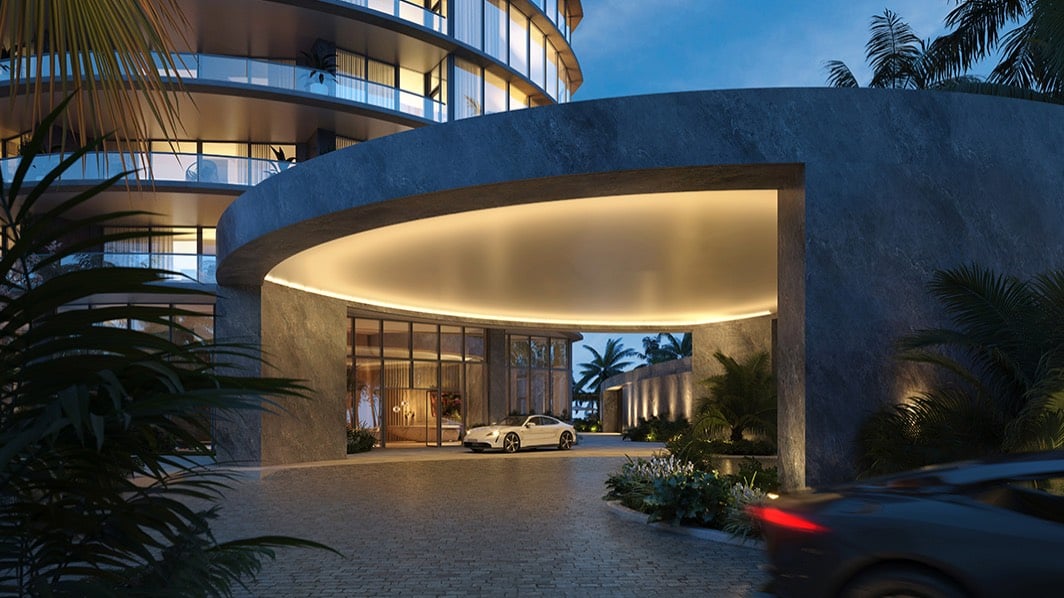
For a Bal Harbour residence buyer, Art Week poses a useful question: can home remain private when the surrounding social calendar intensifies? The answer should rest on documented access rights and operating procedures-not the elegance of a porte cochère or the reassurance of a sales presentation.
Art Basel Miami Beach’s public fair is scheduled for December 4-6, 2026, at the Miami Beach Convention Center, 1901 Convention Center Drive, Miami Beach-not Bal Harbour. The broader event window spans December 2-6, a useful timeframe for planning arrivals and management conversations. Public hours are currently scheduled for 11 a.m.-6 p.m. on December 4-6; reconfirm before arranging transportation.
Treat full hotels, busy restaurants, and occupied garages as contingency scenarios, not established conditions for 2026. The buyer’s task is to establish what would happen if shared facilities filled-and whether residential access would remain controlled, discreet, and predictable.
Begin outside the building. Ask management to distinguish the residential entrance from any hotel, restaurant, retail, or event entrance. Then follow the complete route from vehicle drop-off through reception, access control, and the elevator serving the residence.
For a buyer considering Oceana Bal Harbour, the useful exercise is a route review, not an assumption about privacy. Request written confirmation of which spaces are resident-only, where credentials are checked, and whether visitors can reach residential circulation areas without an owner’s authorization. Apply the same test to every candidate property.
The arrival checklist should answer four practical questions:
Where does an owner enter if the usual drop-off area is occupied?
Can a public queue obstruct the residential entrance?
Who authorizes an alternate route, and how is the owner notified?
Does that route preserve controlled access through to the residence?
A separate doorway is not a complete answer. Determine whether routes converge again at reception, elevators, or garage pedestrian entrances.
Bal Harbour Shops offers ticketless parking. Its standard valet is on the second, green level of the 96th Street parking garage, across from the charging stations. The 9800 Collins Avenue entrance serves the Neiman Marcus valet, designated premium valet only; the South Collins Gate serves valet at Saks Fifth Avenue.
Those distinctions matter for a shopping visit, but they do not establish residential parking rights. The Shops’ Access program offers complimentary standard valet for Insider, Prestige, and Elite members at the green-level location entered from 96th Street. That benefit is not evidence of owner-priority service at a residence.
When assessing Rivage Bal Harbour, or another purchase candidate, request parking allocations and the applicable valet agreement. Establish who may use residential spaces, how vehicle collection is authenticated, and what happens when a collection credential is lost or a driver changes.
Also request a queue plan: where vehicles wait, whether owner and visitor lines are distinct, and who can prevent overflow from entering controlled residential areas. Do not accept a retail parking arrangement as a substitute for a building-specific answer.
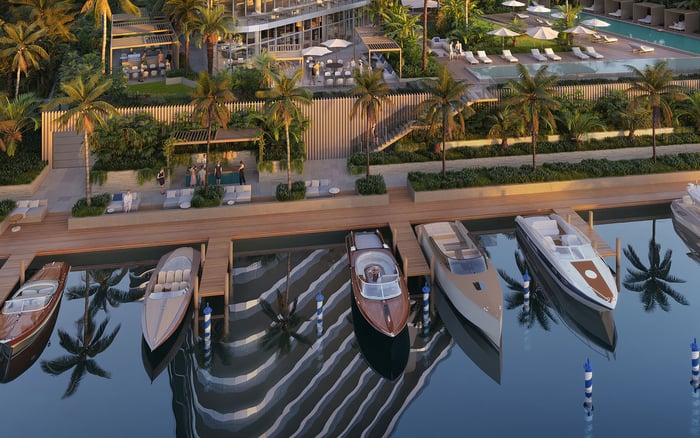
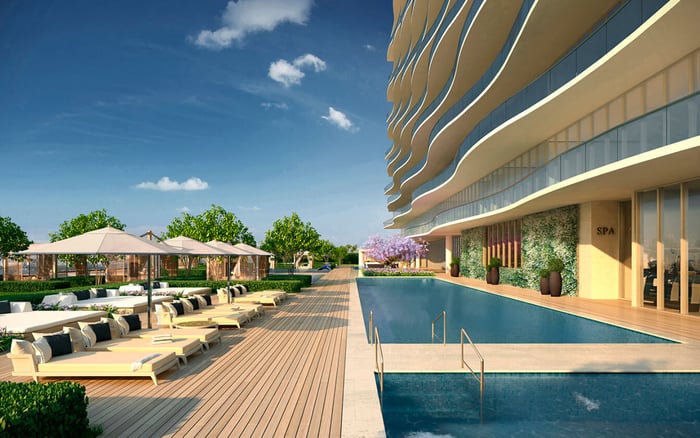
Where a residence shares facilities with a hotel, restaurant, or event operation, request a clear description of those boundaries. Do not infer them from branding. Ask whether outside demand can affect residential valet, elevators, pools, beach access, or loading areas, and whether private events can temporarily alter access arrangements.
Buyers extending their search to Surfside and considering The Surf Club Four Seasons Surfside should use the same written questionnaire. The project name alone does not establish dedicated owner parking, residential priority, or an exemption from event restrictions.
For each potentially shared space, distinguish three issues: the owner’s documented entitlement, the guest policy, and the contingency procedure. Ask who decides when a facility is full and who resolves disagreements at the point of entry. A promise of attentive service is not equivalent to a written allocation of access.
Privacy also depends on arrivals that occur without the owner present. Request the guest-screening procedure, including how advance authorization works, where unannounced visitors wait, and whether staff may disclose an owner’s presence or residence number.
Ask management to walk through a simple scenario: an owner arrives while dinner guests are waiting and a delivery needs access. Where does each party go? Who verifies each arrival? Can any of those movements bypass residential controls because the primary reception area is busy?
For a comparison involving The Delmore Surfside, request the same route information and distinguish proposed arrangements from operating procedures that can be demonstrated. Do not treat a description of future service as evidence of current performance.
Service access deserves equal attention. Confirm where contractors and deliveries enter, whether their routes intersect owner elevators, and how exceptions are authorized. Ask about camera-access policies and who may review footage involving residents or their guests.
Before relying on an assurance, obtain the documents that support it. Request association rules, parking allocations, valet agreements, rental and event restrictions, camera-access policies, and the building’s event-week staffing plan. Have the relevant provisions reviewed alongside the purchase documents.
Organize the answers around responsibilities rather than amenities:
Access: Which entrances, garages, and elevators are controlled, and by whom?
Capacity: What changes when shared facilities fill, and what remains available?
Exceptions: Who may admit an unscheduled guest, driver, or service provider?
Accountability: Who handles an access problem when the usual manager is unavailable?
Classify each assurance as a documented right, an operating policy, or a proposed arrangement. Ask which policies can change and what notice owners receive. These distinctions help prevent a courteous verbal commitment from becoming a purchase assumption.
Close the diligence process with a complete walkthrough of owner and guest routes. Include vehicle arrival, pedestrian entry, elevator access, guest waiting, delivery handling, and the alternate route if the usual arrival point is unavailable. If an arrangement cannot yet be demonstrated, request the relevant plans and a written explanation instead.
Use the December 2-6 planning window to ask how staffing and escalation would work during event activity, without presuming that any building will reach capacity. Record unresolved questions and request written responses before treating owner privacy as settled.
The objective is not isolation from the pleasures of Art Week. It is confidence that returning home does not depend on space in a public queue, a discretionary favor, or an undocumented exception.
For a discreet conversation about selecting a residence around your privacy priorities, connect with MILLION.
If branded residences are on your mind — as a home or as an allocation — we would be glad to share what we are seeing, privately.
Begin a quiet conversationThe public fair is scheduled for December 4–6, 2026. Public hours are currently listed as 11 a.m.–6 p.m.; reconfirm before arranging visits.
No. The venue is the Miami Beach Convention Center at 1901 Convention Center Drive, Miami Beach.
The convention center lists the event for December 2–6, which is broader than the public fair dates. Use that window for transportation and building-management planning.
That is not established. Full facilities should be treated as a contingency to test with management, not a forecast.
No. Ask the residence separately how it controls garage entry, authenticates vehicle collection, and handles lost credentials.
Standard valet is on the second, green level of the 96th Street parking garage, across from the charging stations.
No. The advertised benefit concerns complimentary standard valet at the Shops’ green-level location for Insider, Prestige, and Elite members, not residential access.
Ask whether outside demand or private events can affect residential valet, elevators, pools, beach access, or loading areas. Request written access rules and contingency procedures.
Request association rules, parking allocations, valet agreements, rental and event restrictions, camera-access policies, and the event-week staffing plan.
Trace owner, guest, vehicle, and service-provider routes with management, including alternatives when the usual arrival point is unavailable. Distinguish demonstrated procedures from proposed arrangements.