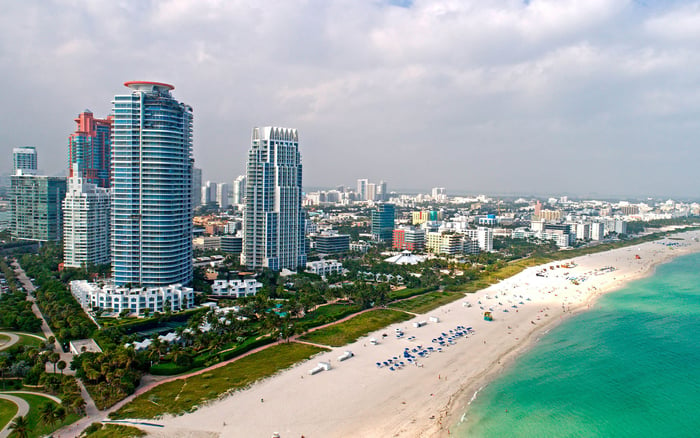
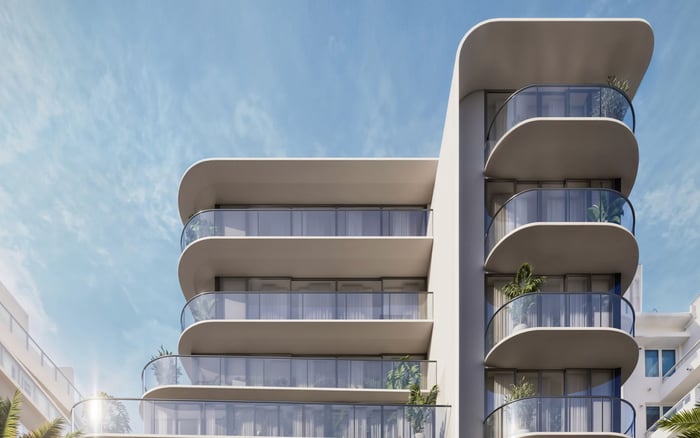
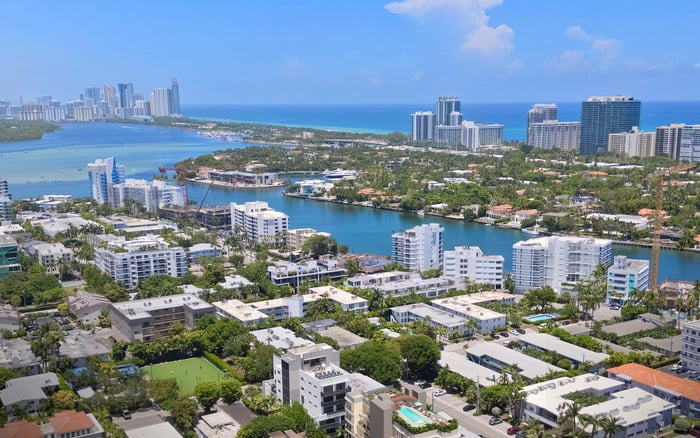
Oceana Bal Harbour pairs two on-property clay tennis courts with condominium living. For buyers seeking regular play without maintaining a private court, the decision turns on reservation rules, shared costs, seasonal demand, and the fit with their preferred routine.
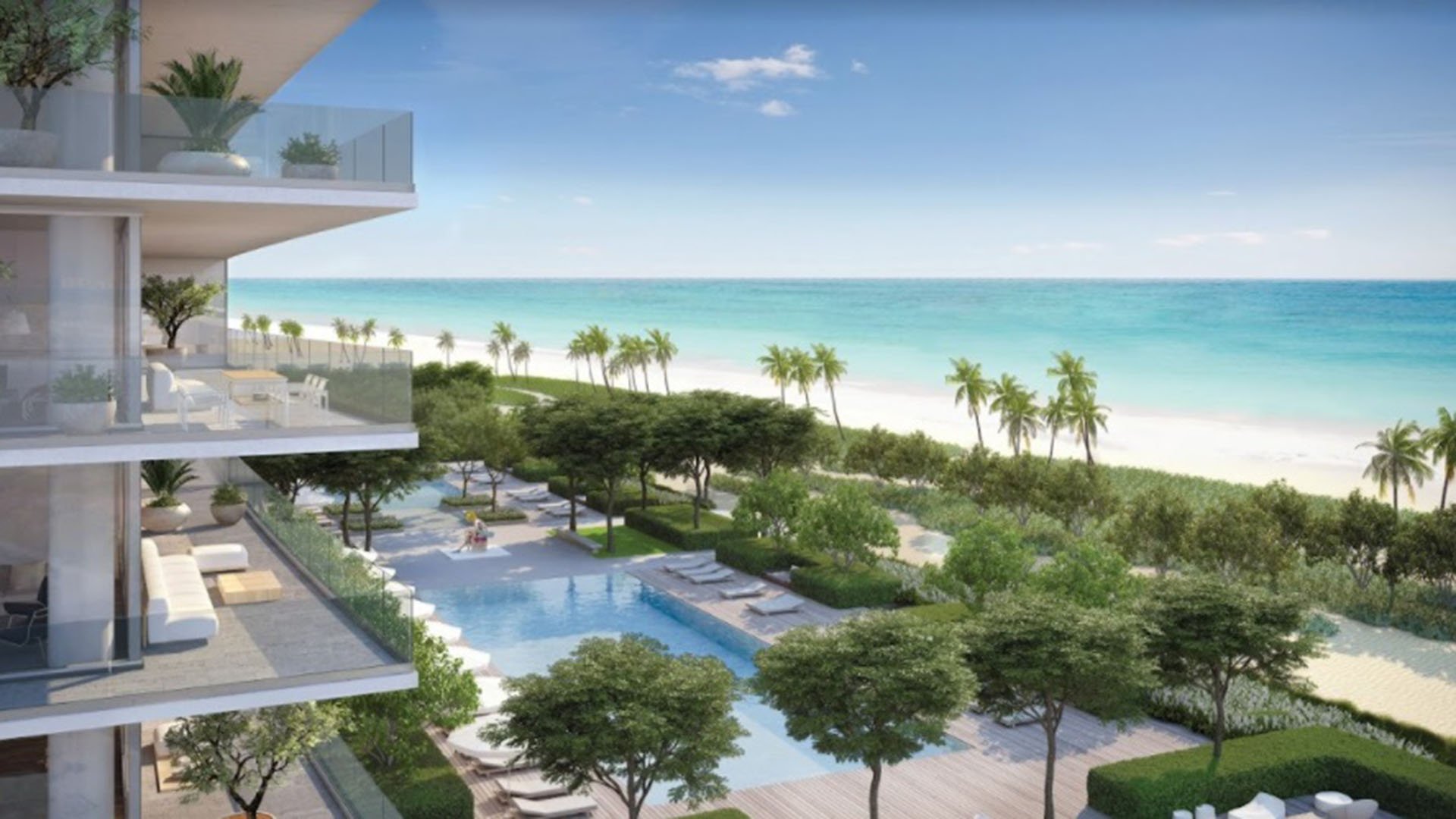
For a buyer who plays regularly, the most useful luxury may be the shortest distance between deciding to play and stepping onto a court. At Oceana Bal Harbour, at 10203 Collins Avenue, two clay tennis courts sit at the entrance to the residential property. Tennis need not begin with a trip to a separate club-or the responsibility of maintaining a private court.
The distinction is convenience, not exclusive use. These are shared residential amenities, so the buying decision should turn on how access works in practice. A beautiful court matters less if available hours rarely match your schedule. For a committed player, the reservation policy deserves the same attention as the residence itself.
Oceana has two championship clay courts. They provide an on-site foundation for regular play, but do not establish guaranteed daily availability, a coaching program, or full tennis-club services. Buyers should distinguish the physical amenity from the operating arrangements that make it useful.
Residents can bring their own equipment or request tennis-related items through the building’s 24/7 concierge. Before making that service part of a weekly routine, confirm which items are available, whether requests require notice, and whether charges apply. Concierge assistance is not a promise of court reservations, instruction, or a playing partner.
If you are accustomed to another surface, arrange to experience the clay before committing. Personal comfort and preferred playing conditions are more useful decision criteria than an amenity description alone.
The ownership appeal is straightforward: residents do not have to manage a private tennis court. Buyers still need to understand how the shared facility is funded and administered. Do not assume residential access is cost-free or that every tennis-related service is included in regular association charges.
Ask management to explain how court upkeep is funded, whether separate usage charges apply, and whether court work is planned. Review the relevant association budget information alongside the amenity rules. The objective is not simply to identify a fee, but to understand the responsibilities that remain with an owner.
For buyers also considering Rivage Bal Harbour, apply the same discipline: compare documented access and operating costs rather than letting a general impression of amenities substitute for a tennis-specific review.
Start with your actual playing habits. Occasional weekday games place different demands on access than the same early-morning slot several times a week. Two courts can support a residential tennis routine, but their presence alone says nothing about availability at your preferred hour.
Obtain the current amenity handbook and confirm the booking method, advance-booking window, session limits, cancellation rules, and peak-hour restrictions. Establish whether residents receive priority and whether repeat reservations are permitted. If both members of a household play independently, ask how limits apply across the household.
Then visit during the hours you expect to play. Seek resident feedback on peak-season demand and ask management how maintenance closures affect reservations. A quiet court during a midday tour is not evidence of easy access at your usual playing time. Base the purchase decision on the schedule you intend to keep, not simply the court you see.
Access rules deserve their own review. Confirm eligibility for owners, tenants, household members, and guests, including any fees or limits. If your regular doubles group lives elsewhere, guest policies could matter as much as the reservation window. For a household considering future rental use, tenant eligibility also warrants direct confirmation.
Do not assume an on-site professional, lessons, clinics, hitting partners, or organized leagues are available. If instruction is central to your routine, ask whether an outside coach may enter and what approvals or restrictions apply. A shared residential court and a full-service tennis club are different propositions.
Finally, verify lighting, permitted playing hours, clay-court footwear requirements, and weather-related availability. These details determine whether an evening game or a tightly scheduled morning session is realistic. Ask how residents are notified of closures and when bookings reopen after maintenance or weather interruptions.
Tennis sits within a broader recreation offering: an Olympic-style lap pool, a separate relaxation pool, a spa, an ocean-view fitness center, and a yoga, meditation, and Pilates area. For households with different interests, that range can make the residential choice less dependent on one person’s tennis schedule.
The useful question is how these spaces fit your household’s week. A swimmer and a tennis player may value different amenities, while someone seeking instruction may still need an outside provider. Assess each priority individually rather than treating the combined amenities as proof that every activity is fully serviced.
A regular player benefits from an alternative when shared courts are unavailable. Bay Harbor Park, at 1126 95th Street in Bay Harbor Islands, has two public outdoor courts and lighting. Surfside Tennis Center, at 8750 Collins Avenue, is another public outdoor facility with lighting. Confirm current access, fees, booking eligibility, and hours before relying on either.
For buyers whose search also includes Ocean House Surfside, distinguish clearly between tennis on the residential property and tennis reached elsewhere. Neither arrangement is inherently right; the relevant test is how much planning your routine can accommodate.
Larger alternatives include Biscayne Bay Tennis Center, at 3000 NE 151st Street in North Miami, with six outdoor courts, and North Shore Tennis Center, at 378 73rd Street in Miami Beach, with 12. More courts do not establish availability or programming. Verify those separately.
For a seasonal buyer, access during the intended weeks of residence matters more than an annual impression. Request information about demand during those periods and confirm how reservations work before arrival. Avoid assigning financial value to assumed court time that the rules do not support.
Oceana’s proposition is compelling for the right buyer: two clay courts at home, without personally managing a private court. The strongest purchase decision pairs that convenience with a clear understanding of shared costs, booking constraints, guest access, and playing conditions. Regular tennis should be a practical part of ownership, not an expectation left untested.
Explore a residence aligned with your playing routine and ownership priorities with MILLION.
If branded residences are on your mind — as a home or as an allocation — we would be glad to share what we are seeing, privately.
Begin a quiet conversationOceana Bal Harbour is at 10203 Collins Avenue in Bal Harbour. Its tennis courts are on the residential property.
The property has two championship clay tennis courts at its entrance.
No. Buyers should confirm reservation rules, session limits, and demand during their preferred playing hours.
It removes the need to manage a personally owned court, but does not imply cost-free access. Confirm association-funded upkeep and any separate charges.
Residents can bring their own equipment or request tennis-related items through the 24/7 concierge. Confirm available items, notice requirements, and any charges.
Confirm current eligibility for tenants, household members, and guests with management. Ask about guest fees, limits, and resident priority.
No on-site professional, lessons, clinics, or leagues are established here. Buyers who need instruction should confirm available arrangements and outside-coach policies.
Verify lighting, permitted hours, footwear requirements, maintenance closures, and weather-related availability before relying on a regular schedule.
Amenities include an Olympic-style lap pool, a separate relaxation pool, a spa, an ocean-view fitness center, and a yoga, meditation, and Pilates area.
Options to investigate include Bay Harbor Park, Surfside Tennis Center, Biscayne Bay Tennis Center, and North Shore Tennis Center. Confirm current availability, eligibility, fees, and booking rules directly.