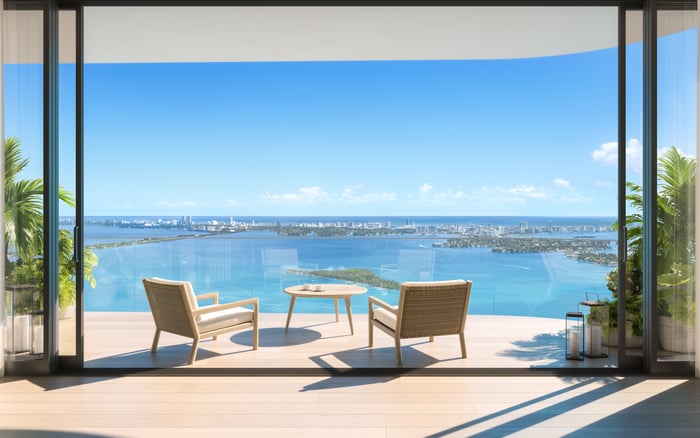
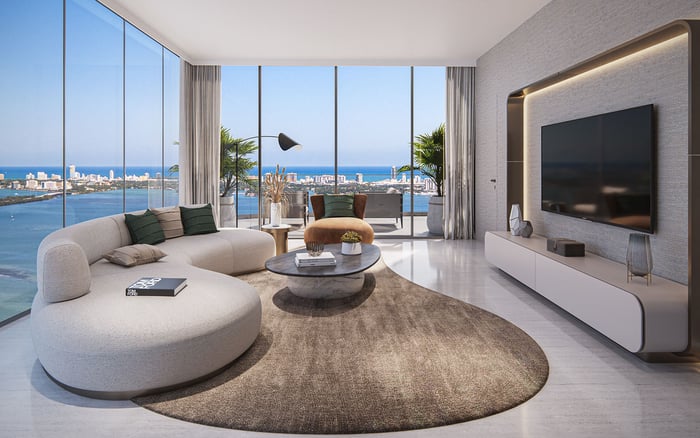
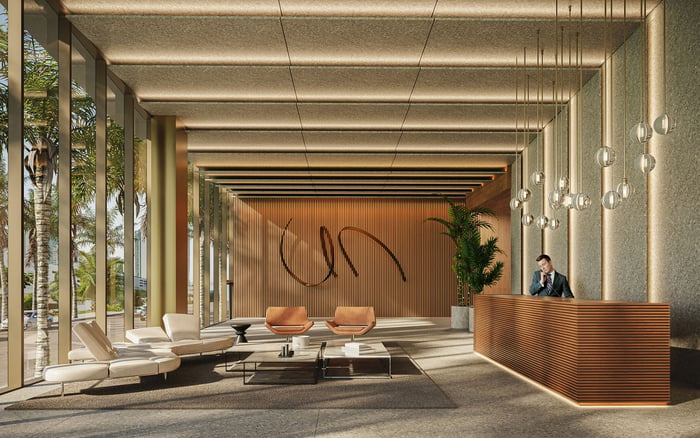
For Edgewater buyers planning Art Week hospitality, the essential due diligence extends beyond the residence itself. Review private-function permissions, vendor access, signage and filming requirements before committing to a home or an event.
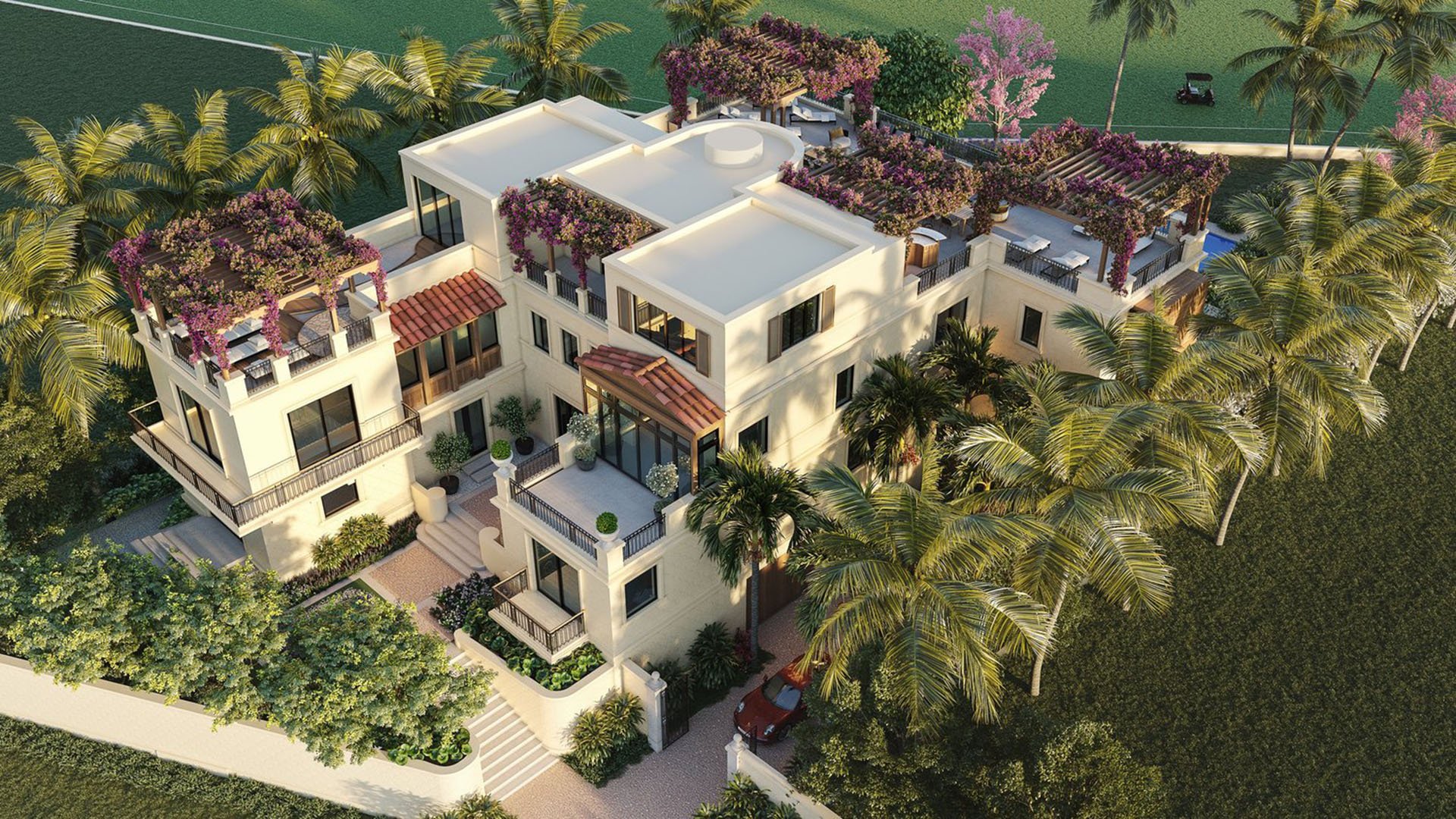
An Edgewater residence can be a compelling setting for an intimate collector dinner or a conversation after the fair. For a buyer planning to host during Art Week, however, the decisive question is not simply whether the rooms suit the occasion. It is whether the proposed use complies with the condominium’s governing documents and applicable government requirements.
For Art Basel Miami Beach 2026, confirm the fair schedule and your intended hosting dates before coordinating guests and vendors. Treat that schedule as a planning framework-not permission to turn a residence into an event venue.
Whether considering Aria Reserve Miami or another Edgewater address, make hosting expectations part of purchase due diligence. Keep three questions separate: what the association permits, what the relevant government authority requires, and how the event will operate without compromising residential privacy.
Before closing, ask for the current declaration, bylaws, amendments, house rules, event policies, violation procedures and fine schedule. Request written clarification of any provision affecting gatherings, commercial activity, common areas or outside personnel. These are buyer-checklist recommendations, not uniform requirements imposed by every Edgewater association.
A description such as “ideal for entertaining” is no substitute for reviewing permitted uses. Ask who can authorize the proposed function, whether board review is needed, and whether the answer applies to the specific unit and spaces involved.
For buyers evaluating EDITION Edgewater, the same discipline applies: assess the residence and its governing framework together. Do not infer hosting rights from a project’s name, presentation or anticipated service experience. Have counsel review any apparent conflict between a written assurance and the governing documents.
Submit a short description of the actual occasion rather than asking whether “parties” are allowed. A personal dinner, gallery preview, corporate reception, ticketed gathering and brand activation should each be described separately. Ask management how the association classifies the intended use and which conditions, if any, apply.
Your written inquiry should cover:
Attendance, including guests, hosts, vendors and any media personnel.
Arrival, setup, event, breakdown and departure hours.
Music, alcohol service, security and guest check-in arrangements.
Any proposed use of terraces, lobbies, elevators or shared amenity spaces.
Reservations, charges, deposits and responsibility for damage or violations.
Do not assume a guest limit, quiet-hour schedule or fee without building-specific confirmation. Keep questions about fair admission separate from questions about residential hosting; use the association’s written response to assess your proposed gathering.
For a buyer considering Villa Miami, the useful test is a specific hosting scenario. Describe the dinner or preview you envision and request a written response to that scenario-not an abstract assurance about entertaining.
A discreet gathering can still involve a substantial delivery and service operation. Give management a proposed vendor roster and ask whether caterers, florists, art handlers, audiovisual teams and security personnel need advance approval. Clarify any approved-contractor policy rather than assuming your preferred outside team can enter.
Ask what insurance documentation is required, whether additional-insured wording applies and who reviews it. Do not presume a coverage limit. Establish the process for loading access, service-elevator reservations, staging, vendor parking, equipment storage and removal of packing materials.
The checklist should also address cleanup, damage deposits and responsibility for restoring each space. Request a schedule that includes installation and breakdown, not just guest-facing hours. Do not assume that approval for a dinner also covers every delivery, contractor or equipment movement.
Branding deserves a separate submission. Provide mockups and locations for window graphics, banners, lobby branding, directional signs and vehicle advertising. Ask the association to review each element, including installation methods and removal, and seek address-specific government guidance before placement.
For the proposed Edgewater address, ask the appropriate City of Miami permitting staff whether zoning review, a sign permit or a building permit is needed. Include temporary displays and interior signs visible from the street in that inquiry rather than assuming they are exempt.
Flag any portable signs, vehicle-mounted advertising or proposed placement on sidewalks or other public property. Ask which municipal or County provisions apply to the exact location and whether the proposed display is permitted at all. Do not treat County guidance as an address-specific determination for a City of Miami residence.
The practical takeaway for buyers is straightforward: neither a sign’s temporary nature nor its position behind glass should be treated as evidence of permission. Obtain association review and the appropriate address-specific determination before installation.
Describe personal photography, editorial coverage, branded content, livestreaming and commercial video separately. Identify crew size, equipment, vehicles, proposed locations and any activity outside the residence. Ask the association which approvals or restrictions apply to each use.
Request a City of Miami permitting determination for the proposed production rather than assuming that a private residence is exempt. If you receive County guidance, ask whether it resolves the municipal requirements for the specific Edgewater address.
Include related activity on sidewalks, streets, parks or other public property in the inquiry. Map the complete production footprint, not merely the room where the camera will stand, and confirm which authorities need to review each location.
When comparing The Cove Residences Edgewater with other residences, evaluate the documented fit with your intended use rather than assuming one building offers greater flexibility. A home for private dinners and a setting for sponsored programming require different questions, even when the guest experience is equally polished.
Before committing to event arrangements, request an event-specific “Art Week use memo.” Record the approved purpose, spaces, attendance, hours, vendors, signage, media activity and operational conditions. Keep association approvals and government permits distinct, and retain both with the final plan. Identify unresolved items explicitly rather than treating silence as consent.
The aim is not maximum event capacity. It is confidence that the residence supports the way you intend to live and entertain, with clear expectations for everyone involved.
Explore Edgewater residences with MILLION and make your intended Art Week lifestyle part of the buying conversation.
If branded residences are on your mind — as a home or as an allocation — we would be glad to share what we are seeing, privately.
Begin a quiet conversationConfirm the fair schedule and your intended hosting dates before coordinating guests and vendors. Review residential permissions before committing to event arrangements.
Do not use fair admission policies as a substitute for building-specific confirmation. Ask the association to review attendance for the actual residential gathering.
Request the current declaration, bylaws, amendments, house rules, event policies, violation procedures and fine schedule. Seek written clarification of provisions affecting your intended use.
Describe each intended use separately and ask how the association classifies it. Do not assume approval for a personal dinner also covers sponsored or ticketed programming.
Ask about contractor approval, insurance, additional-insured requirements, loading, service elevators, staging, parking and cleanup. Confirm any deposits or charges without assuming standard amounts.
Yes. Keep the two approval processes distinct and confirm any applicable government requirements for the address and proposed activity.
No. Request an address-specific City of Miami permitting determination for the proposed production rather than relying on an assumed private-property exemption.
Include crew activity, equipment, vehicles and any proposed use of sidewalks, streets, parks or other public property. Ask which authorities need to review each location.
Do not make that assumption. Confirm applicability to the specific City of Miami address and separately obtain association review of the proposed signage.
Record the event purpose, spaces, attendance, hours, vendors, signage, media activity and approval conditions. Retain association approvals and applicable government permits with the final plan.