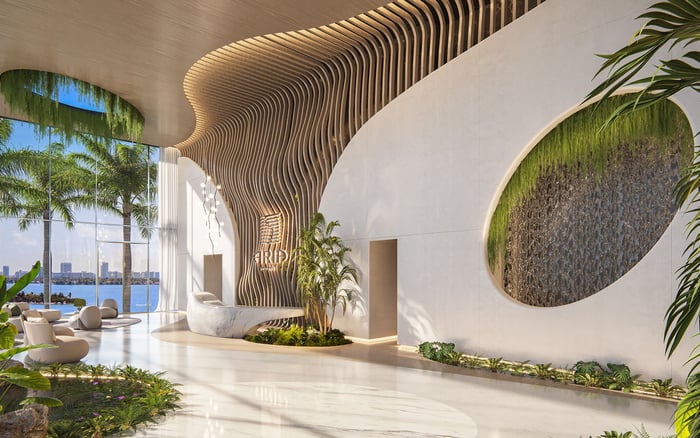
Pending building work should influence an Aria Reserve offer through documented costs, clear responsibility and enforceable completion terms, not an automatic discount. Here is how to separate routine completion from repair exposure.
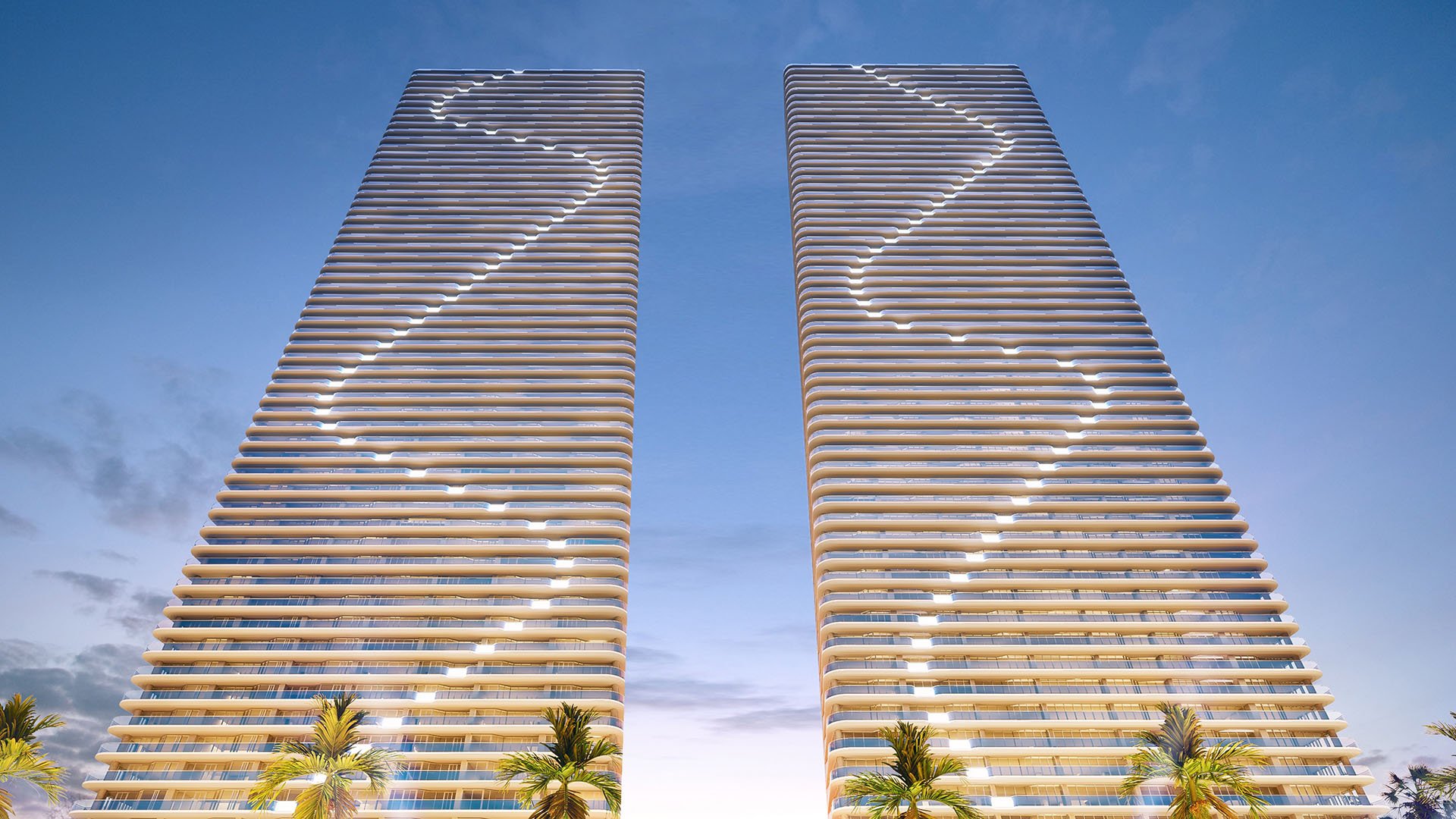
For a buyer evaluating Aria Reserve Miami, pending concrete, waterproofing or façade work should be a question of documented obligations-not an automatic reason to discount an offer.
The essential distinction is straightforward: pending work should affect an offer only after its scope, responsibility and financial consequences are understood. This analysis is conditional, not a finding of an active concrete-restoration program, façade defect, waterproofing failure or owner-funded repair assessment at Aria Reserve. Establish any such condition through transaction-specific documentation before pricing it.
For a buyer, the objective is not simply a lower price. It is an acquisition with a clearly defined obligation, a credible path to completion and an acceptable impact on daily use.
Structural topping-off, occupancy approval, unfinished construction, punch-list items and corrective repairs are distinct. An incomplete finish does not, by itself, establish a structural concern. Nor should occupancy approval substitute for review of a specific water-intrusion complaint or unresolved engineering finding.
Historical construction milestones should not stand in for verification of a tower’s current municipal or operating status. Request current documentation relevant to the residence rather than relying on a past delivery announcement.
An offer should therefore begin with the specific tower and residence. For an undelivered unit, examine completion milestones, inspection access and contractual delay remedies. For an occupied residence, request actual operating history, unresolved complaints and the status of any corrective work. Do not let one tower’s status stand in for the other’s purchase analysis.
The phrase “waterproofing work” is too broad to price. It might describe an original installation, a localized correction or a more extensive repair. Concrete and façade work demand the same discipline: identify the location, purpose, extent and written basis for the intervention.
Request the written scope, engineering findings, current estimate, proposed schedule and identification of the responsible payer. Establish whether the developer, contractor, association or individual owners will carry the obligation. Ask whether the scope is final, whether further investigation remains open and what will demonstrate satisfactory completion.
Buyers also considering EDITION Edgewater should apply the same standard of documentation to each purchase. This is a comparison of decision-making discipline, not a suggestion that the properties share construction conditions or liabilities.
An unresolved scope is first an information problem. Treat it as such before converting it into a price concession that may prove excessive or inadequate.
If waterproofing specifications are supplied for Aria Reserve, establish which assemblies they cover and whether they describe planned installation, completed work or a corrective measure. Ask for records relevant to the system under review.
A specification for selected below-grade concrete would not, by itself, establish the performance of terrace assemblies, façade treatments or glazing interfaces. Claims about a material’s water resistance and durability are not an independent assessment of the completed building.
Neither a specification nor a development’s age promises a maintenance-free period. Evaluate the system implicated by any documented concern rather than allowing one material specification to stand in for an inspection of unrelated assemblies.
Request an inspection of the residence and accessible balcony areas, together with records of reported leaks involving glazing, terraces, amenity decks, garages or elevator pits, as applicable. Where a concern requires specialist judgment, seek an appropriately qualified professional rather than drawing conclusions from appearance alone.
Diligence should extend to shared areas relevant to the purchase. If work is documented there, ask about funding, access restrictions, sequencing and the expected effect on use. A residence can meet a buyer’s aesthetic expectations while an unresolved common-area obligation still warrants contractual attention.
For a buyer weighing Aria Reserve against Villa Miami, the useful comparison is the clarity of each transaction’s obligations. Do not assume equivalent maintenance exposure simply because both appear on a purchase shortlist.
If identified work will be funded by owners, obtain the residence’s estimated allocated cost and the basis for that allocation. Use that amount as the starting point for negotiating a price reduction or seller credit, subject to transaction requirements and legal review. An arbitrary percentage discount has little basis without a documented liability to support it.
Review the approved association budget, reserve schedule, available reserve studies and notices of proposed assessments. Determine whether the identified obligation is already funded or whether additional owner contributions are contemplated. Avoid counting the same cost twice when discussing reserves, assessments and a seller’s contribution.
Separate direct repair exposure from inconvenience. Restricted terrace access or disrupted amenities, if documented, may influence what the home is worth to a particular buyer, but they are not interchangeable with an engineering estimate. Where costs remain uncertain, seek further investigation or negotiated review protections rather than treating a guess as a settled number.
A promise that work “will be handled” is not a complete acquisition strategy. Seek explicit inspection and document-review rights, written completion standards, punch-list procedures and allocation of known repair costs, all subject to seller agreement and counsel’s review.
Warranty diligence should cover duration, exclusions, transferability, responsible parties and claim procedures. Do not assume that an unresolved item is covered, that a claim has been accepted or that the buyer will inherit the same practical remedy available to the seller.
The offer should match the evidence. Defined, funded work may call primarily for completion protections. Quantified owner-funded work may justify a negotiated financial adjustment. An unresolved scope or disputed payer may warrant further review before commitment. None of these scenarios should be presumed to describe Aria Reserve without transaction-specific documentation.
The strongest offer preserves the residence’s appeal while making responsibility explicit. Price should reflect established exposure; contract terms should address what remains unresolved.
For a discreet perspective on South Florida waterfront acquisitions, explore MILLION.
If branded residences are on your mind — as a home or as an allocation — we would be glad to share what we are seeing, privately.
Begin a quiet conversationNo; it provides a conditional offer framework, not a finding of defects or an active repair program. Any offer adjustment should depend on transaction-specific documentation.
No; first establish the scope, payer, funding and completion schedule. Then negotiate around documented exposure rather than an arbitrary discount.
Request the written scope, engineering findings, cost estimate, schedule and identification of who pays. Review the association budget, reserve information and proposed assessment notices as well.
No; structural topping-off and occupancy approval are distinct milestones. Neither substitutes for reviewing the condition of a specific system.
A historical milestone should not substitute for current municipal or operating documentation. Verify the status of the specific tower and residence before committing.
No; a specification for selected below-grade concrete does not establish the performance of terraces, façades or glazing interfaces. Review documentation and inspections for the system implicated by any concern.
Use the residence’s estimated allocated cost as a starting point for negotiating a reduction or seller credit. Confirm the allocation and existing funding before settling on an adjustment.
Documented shared-area work may affect both owner costs and access to amenities. Ask about funding, restrictions, sequencing and completion before pricing that exposure.
Review duration, exclusions, transferability, responsible parties and claim procedures. Do not assume that pending work is covered or that a claim has been accepted.
Seek inspection and document-review rights, written completion standards, punch-list procedures and clear allocation of known costs. Availability depends on seller agreement and legal review.