
A disciplined comparison of two Miami developments through reserve adequacy, insurance-deductible exposure, and the assumptions shaping post-turnover ownership costs.
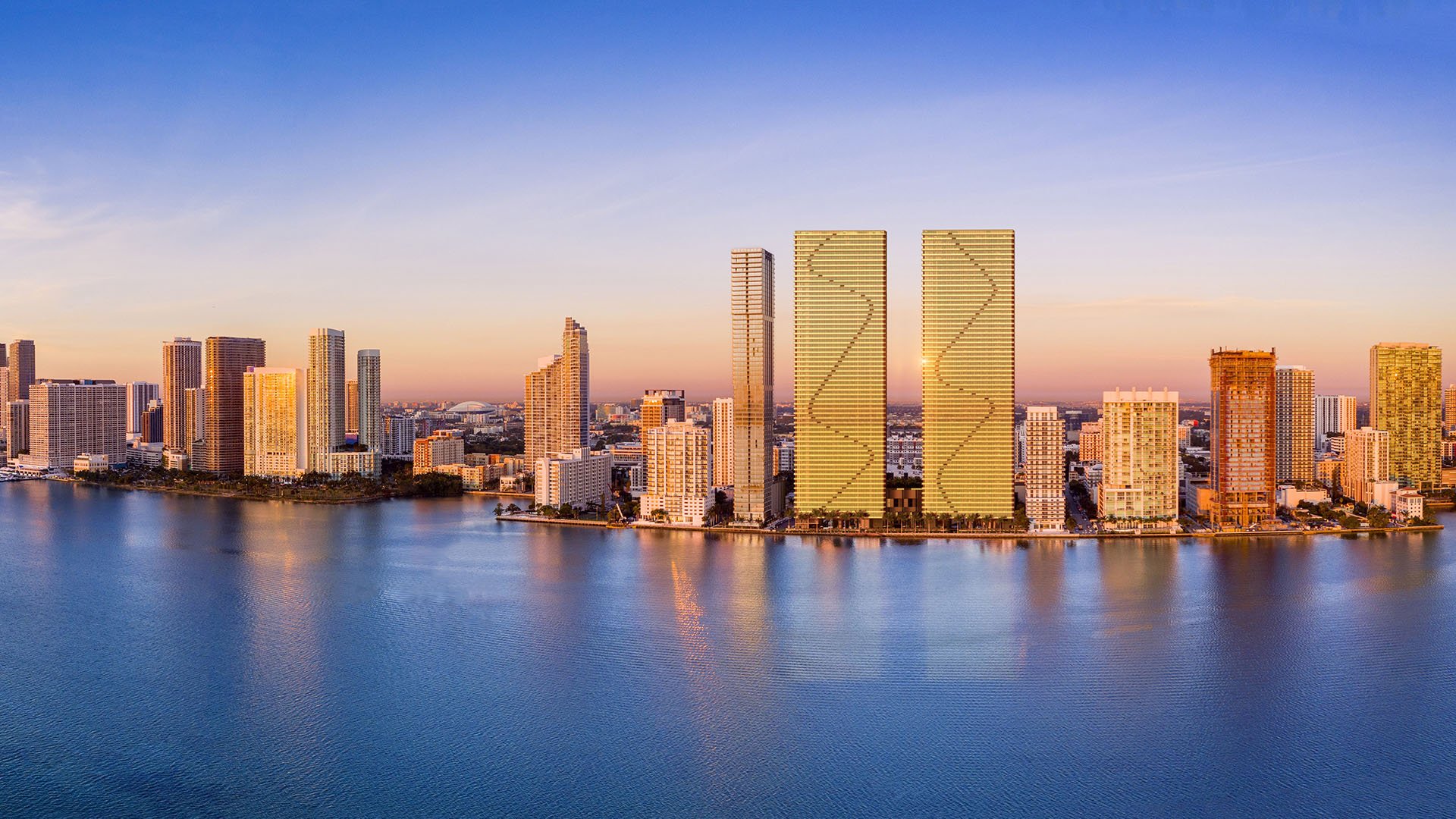
Buyers comparing Aria Reserve Miami and The Residences at Mandarin Oriental, Miami can examine more than architecture, views, and service. Reserve planning, insurance-deductible exposure, and post-turnover budgeting provide a shared framework for evaluating potential ownership costs.
This comparison does not assign project-specific reserve balances, deductible amounts, fees, or post-turnover expenses. Those figures should be verified in the documents supplied for the particular residence and transaction.
A reserve review should identify the components included in the schedule, the assumptions assigned to them, the planned contribution levels, and the available balances shown in the applicable documents. Buyers can then consider whether the schedule presents a coherent approach to anticipated capital needs.
The analysis should remain document-specific. Rather than treating a single balance or contribution as conclusive, review how the figures relate to the components, timing assumptions, and projected work described in the materials.
The same method can inform comparisons with other Miami residences, including Villa Miami. The objective is not to assume that different properties share the same obligations, but to apply a consistent diligence process.
Insurance diligence should focus on the policy materials available for review, including stated deductibles, coverage boundaries, exclusions, and allocation provisions. Buyers should also determine how a deductible could affect the association and the individual owner under the governing documents.
A useful stress test asks how the applicable documents contemplate funding a deductible and whether that response could affect owner liquidity. Any conclusion should be based on current policy materials, association documents, and transaction-specific professional advice rather than a generalized assumption.
A proposed budget is best treated as an underwriting input. Review the assumptions for staffing, utilities, maintenance, insurance, reserves, and the intended service model, then identify which figures are estimates and which are supported by available contracts or records.
The diligence file may include the proposed or adopted budget, financial materials when available, reserve information, governing documents, insurance materials, and meeting records. Buyers should confirm which documents exist for each project and obtain current versions before relying on them.
This framework can also be used when evaluating The Residences at 1428 Brickell. Applying the same document checklist can make comparisons more consistent without implying that the projects have identical financial structures.
Reserve planning, deductible exposure, and budget assumptions should be reviewed together because each informs the broader ownership-cost analysis. The goal is to distinguish disclosed obligations from estimates, identify unanswered questions, and understand which items require legal, insurance, or financial review.
For both featured Miami projects, buyers can organize diligence around three questions: what do the current documents state, which assumptions remain provisional, and what could change after turnover? A disciplined answer depends on the materials for the specific transaction, not on a quoted fee or a broad market comparison alone.
What is the central comparison in this buyer’s lens? It compares how buyers can review reserve planning, insurance deductibles, and post-turnover budget assumptions for the two featured Miami developments.
Does this article provide project-specific reserve balances? No. Buyers should verify any reserve figures in the current documents supplied for the specific transaction.
What should a reserve review cover? Review the listed components, timing assumptions, projected costs, planned contributions, and balances shown in the applicable materials.
Is a single reserve figure enough for comparison? No. The figure should be considered alongside the schedule, assumptions, and anticipated capital needs described in the documents.
Which insurance details deserve attention? Examine stated deductibles, coverage boundaries, exclusions, allocation provisions, and the relationship between association and owner obligations.
Why examine a deductible’s funding path? The funding approach may affect association resources or owner liquidity, depending on the governing documents and policy terms.
How should buyers approach a proposed budget? Treat it as an underwriting input and test its assumptions against the available supporting materials.
Which budget categories merit review? Relevant categories may include staffing, utilities, maintenance, insurance, reserves, and costs associated with the intended service model.
Why should buyers request current documents? Current materials help distinguish disclosed obligations from projections and reduce reliance on outdated assumptions.
Should professional advisers review the documents? Buyers can seek transaction-specific legal, insurance, and financial guidance before relying on the materials.
When you're ready to tour or underwrite the options, connect with MILLION.
If branded residences are on your mind — as a home or as an allocation — we would be glad to share what we are seeing, privately.
Begin a quiet conversation

.jpg&width=700&height=438&fit=cover)