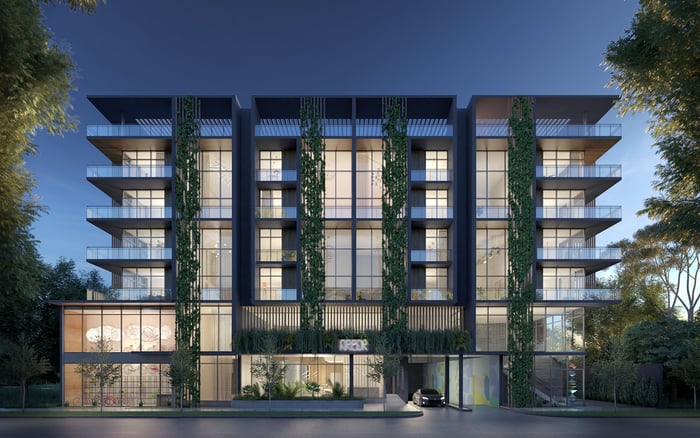
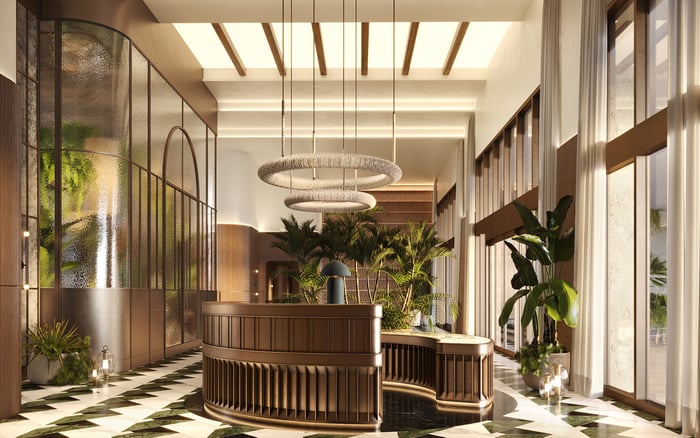
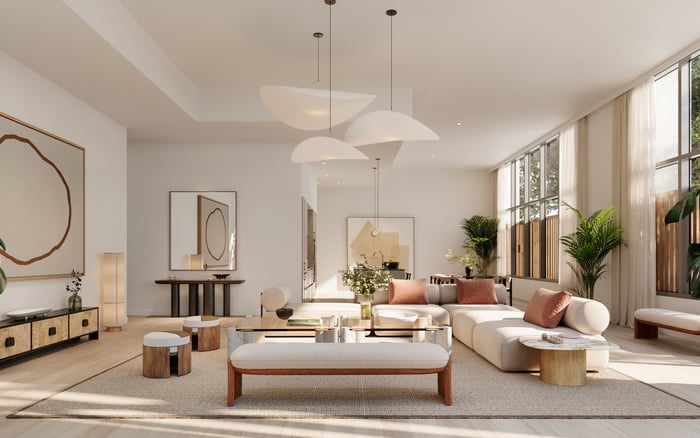
A buyer-focused comparison of Arbor’s compact residential service model and THE WELL Coconut Grove’s planned wellness ecosystem, with careful guidance on staffing, gratuities, and carrying costs.
For sophisticated buyers, the distinction between Arbor Coconut Grove and The Well Coconut Grove is not simply a contest of amenity counts. It is a choice between two operating philosophies. Arbor is a boutique condominium at 3034 Oak Avenue with a compact, conventional residential program. THE WELL is planned as an eight-story, mixed-use wellness community at Tigertail Avenue and Mary Street, with 194 residences, about 53,000 square feet of wellness space and roughly 22,000 square feet of ground-floor retail.
That distinction should shape every conversation about service standards, staffing, gratuities and annual carry. A buyer who values discretion, familiar faces and operational simplicity may find elegance in Arbor’s narrower service stack. Another may prefer the breadth of a wellness-led environment designed around treatments, movement, recovery and health-oriented support.
The meaningful comparison is not how many amenities exist, but how each service model will be staffed, funded and used.
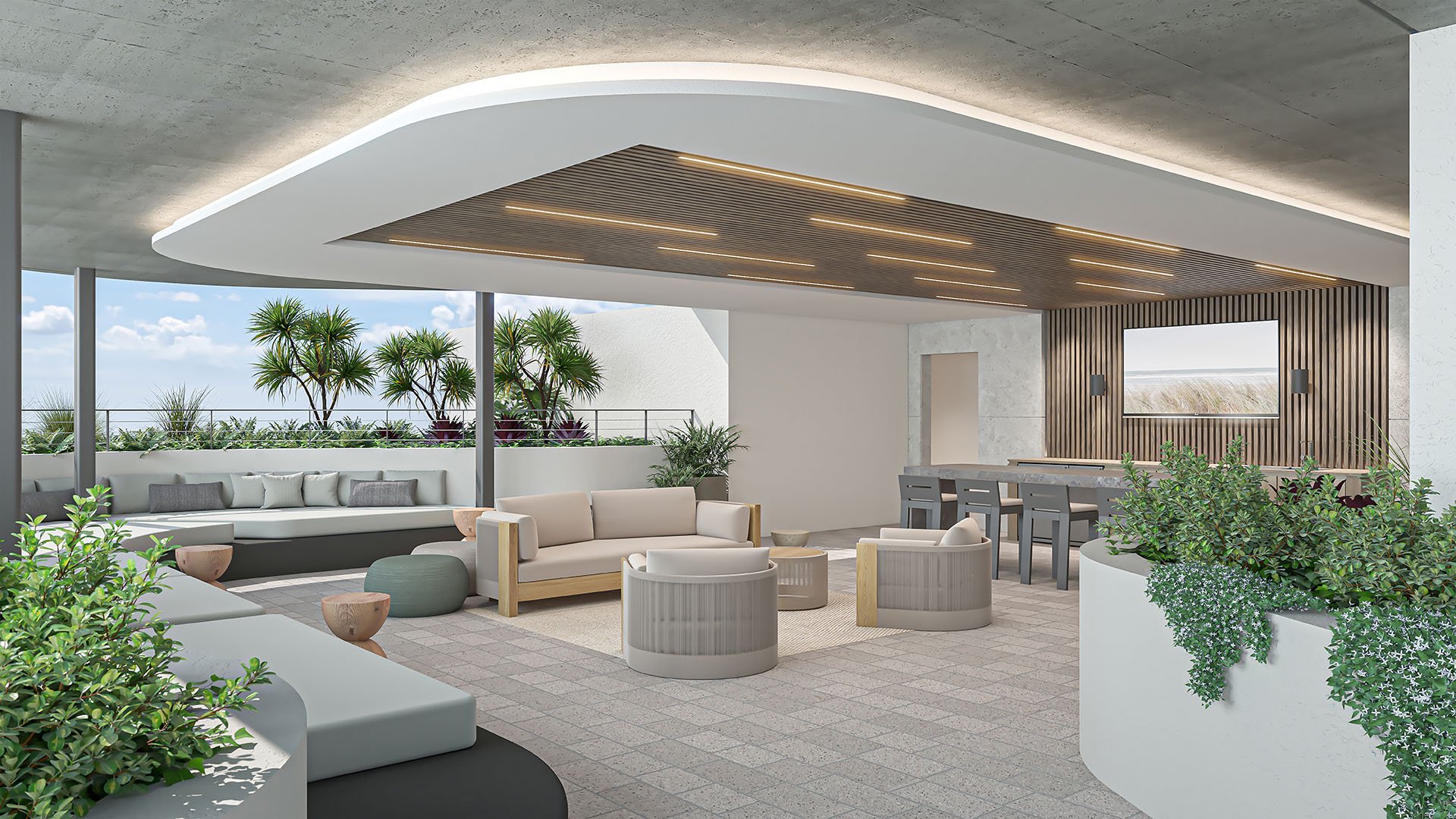
Arbor’s program includes a courtyard pool, fitness center, social lounge, rooftop terrace, concierge service, valet parking, storage and parking. No on-site spa or programmed wellness calendar has been identified. Its operating identity therefore reads as residential luxury rather than a private club or resort.
THE WELL Coconut Grove’s planned program is substantially more layered. It calls for a 40,000-square-foot rooftop wellness oasis and a 13,000-square-foot wellness center incorporating a bathhouse, relaxation lounges, a hyperbaric chamber, physical therapy and functional-medicine practices. Some facilities are expected to serve paying members from outside the building, while selected benefits, including private pools and in-residence treatments, are intended for residents.
This is not an automatic verdict in favor of either property. A broader program creates more opportunities for daily engagement, but it also introduces more operational interfaces. Residents may encounter therapists, instructors, wellness practitioners, cleaning teams, engineers, attendants, security personnel and concierge staff. Arbor’s concierge-and-valet model suggests fewer service categories and potentially a more straightforward resident experience, although simplicity alone does not establish lower costs or better execution.
Neither a numeric staff-to-residence ratio nor a complete staffing roster is available for Arbor. A comparable ratio is also unavailable for the planned Coconut Grove wellness community. Buyers should resist converting amenity square footage into an assumed level of personal service.
The more useful inquiry concerns staffing by function and shift. How many concierge positions are funded during peak hours? Is valet coverage continuous? Which wellness roles are employees, club personnel or independent practitioners? Are treatment rooms staffed on demand? Who handles pool service, engineering, housekeeping and security? Will outside club members use the same arrival sequence or personnel as residents?
Raw ratios can also mislead. One property may count third-party valet or security personnel while another excludes contractors. A wellness practitioner serving booked appointments is not equivalent to a residential concierge available throughout a shift. The buyer’s objective is to understand response times, access protocols and service continuity-not to chase a single headline number.
The completed The Well Bay Harbor Islands provides a useful view of how the brand’s residential wellness concept can translate into service categories. Its 66 condominiums share more than 22,000 square feet of amenities, including a full-service club with a bathhouse, saunarium, caldarium, halotherapy steam room, cold plunge, treatment rooms and daily fitness or mindful-movement classes.
Its residential offering also includes a wellness concierge, 24-hour valet and security, toxin-free cleaning, plant-design support, local CSA delivery and curated in-home wellness products. Residents receive complimentary club membership, concierge support and access to annual health-coaching sessions. Together, these elements illustrate the staffing breadth that can accompany a wellness platform.
They do not, however, establish the future budget, fee schedule or staffing plan for Coconut Grove. The projects differ in scale, location and program. Bay Harbor is best used as a diligence prompt: buyers can ask which services may be included, which may be à la carte and how resident privileges will be separated from outside memberships.
Arbor does not state a mandatory gratuity or building-wide service-charge program. The same is true of the club and service descriptions for the Bay Harbor property. That absence should not be interpreted as proof that tipping never arises.
In a concierge-and-valet building, gratuity customs may be relatively familiar, but buyers should still ask whether valet services carry separate charges, whether holiday gifts are customary and whether any service fee appears in the budget. In a treatment-oriented setting, the questions multiply. Are gratuities added automatically to therapies? Are they discretionary? Do in-residence appointments follow a different policy? Are club members and residents treated identically?
A written answer matters because gratuity culture affects both the resident experience and the true cost of frequent use. It also prevents awkwardness in a setting where hospitality and healthcare-adjacent services may overlap.
Current Arbor association fees are not available. Association fees and annual carrying costs for THE WELL Coconut Grove have not yet been released, and its opening is targeted for Q4 2028. A verified side-by-side annual-carry calculation is therefore not possible.
Bay Harbor figures provide context, with monthly HOA charges ranging from $2,300 to $4,586 across the sample. Multiplied by 12, that equals $27,600 to $55,032 annually. Those figures can vary by unit size, allocation, date and included services. They are neither an official fee schedule for the building nor a proxy for Coconut Grove. They also exclude property tax, insurance, utilities and unit-specific expenses.
Arbor’s smaller amenity footprint may appear less operationally complex, but buyers should not assume it necessarily produces a lower fee. Insurance allocation, reserves, staffing, contracts, maintenance needs and assessment history can materially affect annual obligations. For both properties, the central question is not merely the monthly number. It is what that number funds-and what remains outside it.
For Arbor, request the current budget, reserve study, insurance allocation, staffing schedule, service contracts and assessment history. Confirm concierge and valet hours, identify contractor relationships and ask whether owner usage patterns create peak-period constraints.
For THE WELL, request the proposed operating budget when available, together with a resident-versus-member access plan. Clarify which classes, coaching sessions, treatments, cleaning services and wellness consultations are included in common charges. Ask how the retail and public-club components share expenses, entrances, parking, security and building systems.
This buyer’s-guide framework also applies across Coconut Grove, where buyers routinely compare boutique privacy with increasingly elaborate service programs. Even nearby luxury choices such as Park Grove Coconut Grove should be evaluated through the same lens: the practical relationship among access, staffing, inclusions and recurring cost.
Arbor suits the buyer drawn to a more contained residential environment, a recognizable amenity set and a service model centered on concierge and valet. THE WELL Coconut Grove is positioned for a buyer who expects wellness to function as an organizing principle of home life rather than as an occasional amenity.
Neither preference is inherently more luxurious. The stronger choice is the one whose daily operating rhythm aligns with the owner’s habits. Buyers should price not only ownership but participation: how often they will use classes, treatments, lounges, pools and concierge services, and whether the associated complexity feels enriching or unnecessary.
For confidential guidance on comparing Coconut Grove residences and their ownership structures, connect with MILLION.
If branded residences are on your mind — as a home or as an allocation — we would be glad to share what we are seeing, privately.
Begin a quiet conversationArbor presents a compact residential luxury model centered on concierge and valet. THE WELL plans a broader wellness ecosystem with treatment, recovery and health-oriented spaces.
No numeric staff-to-residence ratio or complete staffing roster is available for Arbor.
No verified numeric staff ratio is available for the planned Coconut Grove project.
No on-site spa or programmed wellness calendar has been identified for Arbor.
Plans include a 40,000-square-foot rooftop wellness oasis and a 13,000-square-foot wellness center with a bathhouse, relaxation lounges and health-oriented practices.
Some wellness facilities are planned to serve paying outside members, while selected benefits are intended to remain resident-only.
Arbor does not state a mandatory building-wide gratuity program. THE WELL Coconut Grove’s future treatment and service policies should be confirmed when available.
No. Current Arbor fees and THE WELL Coconut Grove association costs are not available for a verified direct comparison.
Sample charges provide limited context only. They are not an official fee schedule or a forecast for THE WELL Coconut Grove.
Request budgets, reserve information, insurance allocations, staffing schedules, service contracts, assessment history and a written list of included versus à la carte services.