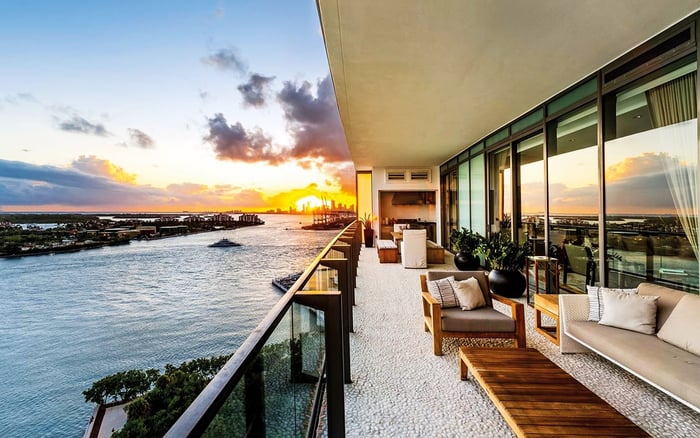
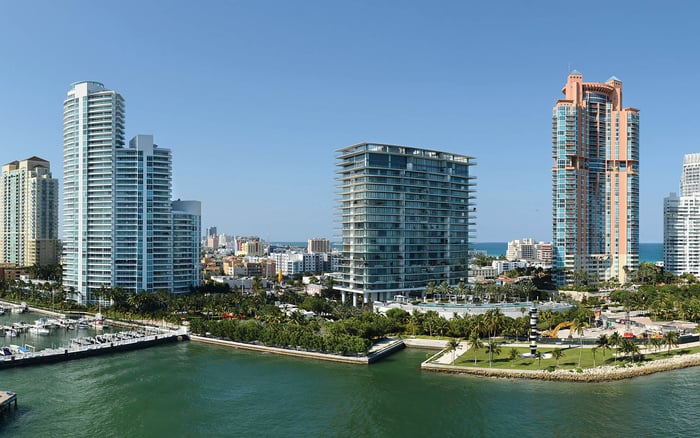
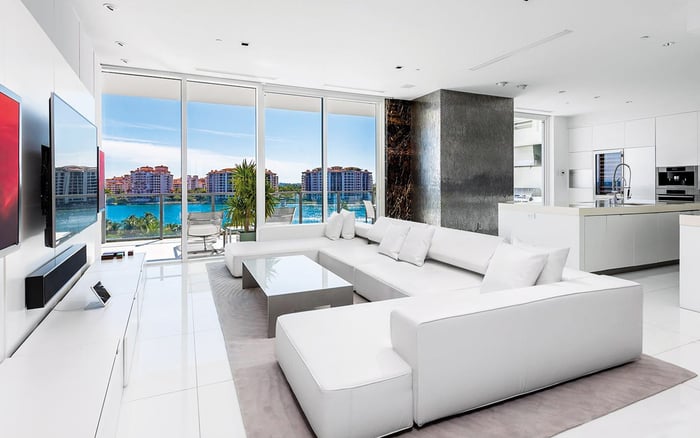
A discreet, owner-focused guide to thinking through customization approvals at Apogee South Beach, with emphasis on scope, documentation, timing, terrace planning, shared systems, and resale discipline.
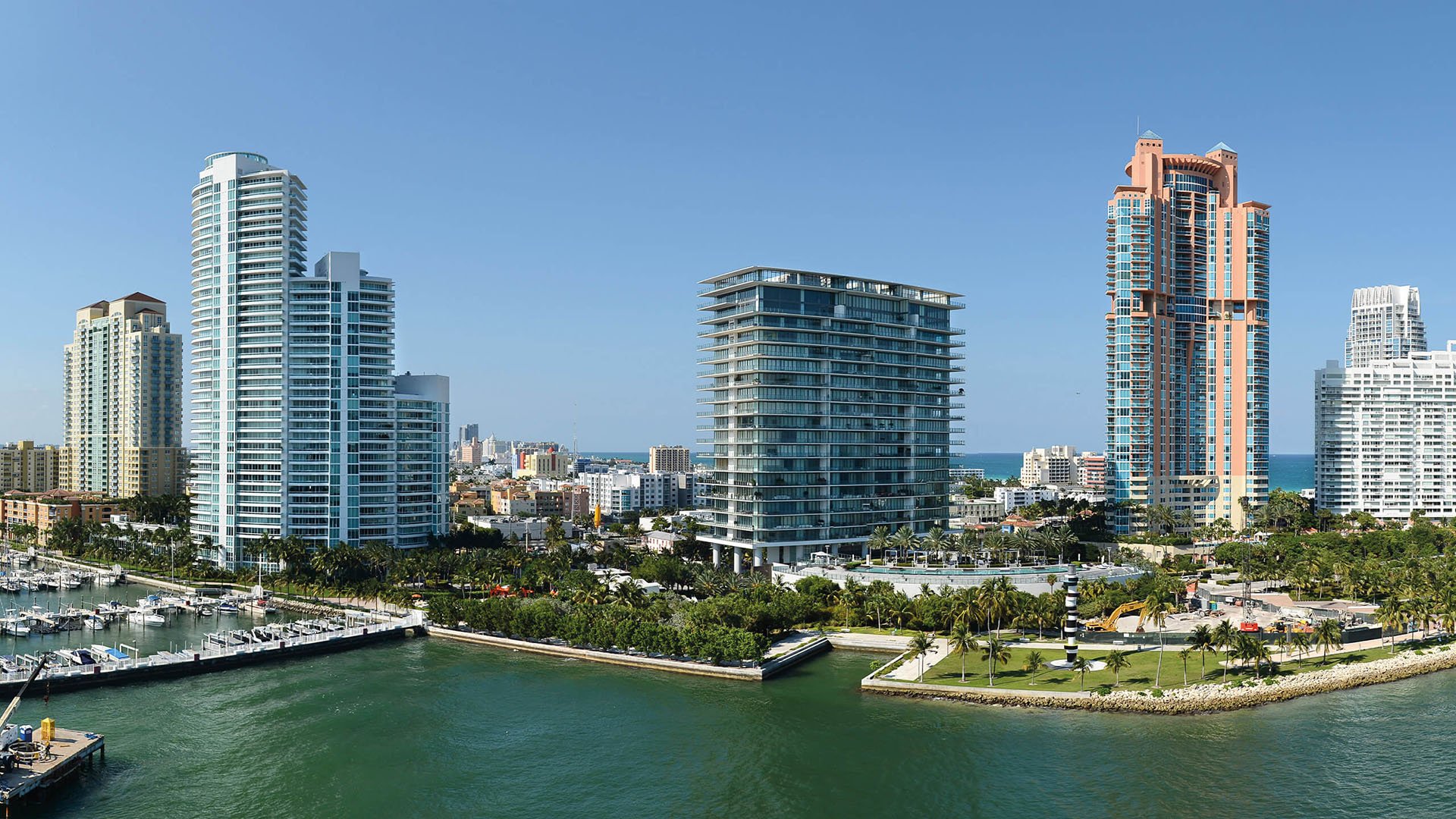
Apogee South Beach sits within the South of Fifth ownership conversation, where many households think about privacy, design quality, and long-term use with unusual care. For owners accustomed to private homes, the distinction matters. A residence may feel expansive, personal, and highly adaptable, yet the legal and operational framework remains condominium ownership.
The most successful owners approach customization as a managed approval strategy, not simply a design project. In a private estate, the first questions may be aesthetic: stone, millwork, lighting, kitchen flow, closet hierarchy, and terrace furnishing. At Apogee South Beach, the stronger starting point is sequencing. What is the scope? Which elements are purely cosmetic? Which touch shared systems, common elements, life-safety considerations, or neighboring residences? Which decisions should wait until the association review path is clear?
This is not a reason to think smaller. It is a reason to think with greater precision. The building’s appeal for many owners includes private outdoor space, refined interiors, and the ability to shape a residence around daily life. The discipline is to translate ambition into documents, approvals, contractor coordination, and timing before capital is committed to irreversible decisions.
A high-end renovation often begins with a mood board, but an Apogee owner should quickly translate that vision into clear categories. Cosmetic refinements, such as paint, decorative lighting, closet interiors, non-invasive wall finishes, furnishings, and soft goods, generally sit in a different risk category from work involving structure, mechanical systems, electrical systems, plumbing, terrace areas, or life-safety-impacting elements.
That distinction is the foundation of the approval conversation. A proposed new flooring system, for example, is not only a matter of surface beauty. It may raise questions about sound transmission, installation method, thresholds, waterproofing, and the experience of the residence below. A kitchen reconfiguration may be evaluated not only for elegance, but also for plumbing alignment, ventilation, electrical load, and construction logistics. A lighting plan may appear decorative while still requiring careful review if ceilings, slabs, or shared systems are implicated.
For a discerning condominium environment, the standard is rarely just whether a design looks appropriate. The real question is whether the work can be executed without negative impact on the building, adjacent owners, staff operations, or long-term asset quality.
Major customization should be understood through two related tracks: condominium association approval and applicable city permitting. They are connected because the same drawings, specifications, engineering notes, contractor details, and insurance documentation may support both. They are separate because one track relates to the building’s governance and shared interests, while the other relates to public permitting requirements.
Owners sometimes make the mistake of assuming that one approval solves the other. A more sophisticated approach recognizes that each has its own logic. The association may care about common elements, access, hours, elevator use, corridor protection, insurance, contractor conduct, noise, dust, water shutoffs, and neighboring residences. Permitting may focus on code, technical compliance, and inspections. A project can become delayed when these are treated as afterthoughts rather than parallel planning requirements.
Before committing to a contractor start date, a seasonal move-in, or a furniture delivery calendar, households should allow time for the approval path to unfold. This is especially important for owners who plan to occupy during peak South Florida season or host around specific travel windows.
At Apogee, the terrace is not a minor accessory. Outdoor space can become central to the lifestyle proposition and often becomes the emotional center of the residence. Owners may imagine outdoor lounges, dining settings, planters, lighting, shading, integrated audio, and a stronger indoor-outdoor connection. Those ideas can be compelling, but terrace customization should be approached conservatively and with careful documentation.
Outdoor areas may implicate waterproofing, drainage, wind exposure, façade appearance, weight, attachment methods, access, and maintenance. Even when an owner’s goal is purely lifestyle-oriented, the building may need comfort that the proposed work will not affect common elements or future maintenance obligations.
Flow-through living adds another layer of nuance where applicable. It can make a residence feel like a private home in the sky, with light, air, and circulation moving across the plan. Yet that openness also means changes to partitions, flooring, ceiling details, and room functions should be evaluated carefully. A reimagined media room, expanded entertaining zone, or altered bedroom sequence may have implications beyond furniture placement. The phrase flow-through units may sound like a market label, but in practice it is a planning condition that affects how design decisions relate to light, privacy, acoustics, and circulation.
In ultra-premium real estate, documentation is not bureaucracy. It is protection. The more substantial the proposed customization, the more valuable it becomes to present clear drawings, specifications, finish schedules, contractor information, engineering input where relevant, and a concise narrative explaining what will change and what will not.
Early technical documentation helps an owner show that the work is contained, professionally managed, and respectful of the building environment. It also reduces ambiguity. An association is more likely to understand a well-scoped proposal than a broad design intention. Vague language can invite additional questions, while precise plans can narrow the review to specific issues.
Owners should also document logistics. How will materials enter the building? What protection will be installed? Which trades require access? Are there noisy phases? Are shutoffs required? Will work affect privacy for neighbors or visible common areas? In a building of this caliber, discretion and operational control are part of the renovation itself.
Customization at Apogee South Beach should be planned around more than design lead times. Association review, permit requirements, contractor availability, building access protocols, long-lead materials, furniture orders, and owner occupancy should be aligned before final commitments are made.
This is where many households benefit from a reverse calendar. Start with the desired occupancy date, then work backward through installation, inspections, approvals, procurement, demolition, protection, and design documentation. If a family wants the residence ready for winter use, the approval strategy should begin far earlier than the decorative shopping phase suggests.
The South of Fifth setting also has a lifestyle rhythm. Owners may divide time among Miami Beach, New York, Europe, Latin America, or other homes. SoFi living often includes entertaining, privacy, and seasonal intensity. A renovation that overruns into the wrong month can affect not only comfort, but the entire purpose of ownership.
The most refined homes are not generic. Apogee buyers are rarely looking for ordinary interiors. Still, resale should be part of the customization analysis from the beginning, especially where design choices become highly personal, costly to reverse, or likely to narrow the future buyer pool.
A strong customization plan often separates permanent architectural improvements from changeable personal expression. Millwork, lighting quality, kitchen execution, flooring, bathroom refinement, and terrace usability can enhance long-term appeal when handled with restraint and quality. Highly idiosyncratic room conversions, unusual material palettes, or overly specific lifestyle installations may delight one household while making the next buyer pause.
The goal is not to dilute taste. It is to place taste where it can be admired without becoming a liability. In the ultra-luxury market, the best renovations feel inevitable, as though the residence was always meant to live that way.
Before beginning, an Apogee household should organize the project around five questions. First, what is the exact scope? Second, which parts are cosmetic and which may affect structure, systems, terraces, or safety? Third, what documentation will make the proposal clear? Fourth, which approval and permitting steps must precede contractor commitments? Fifth, how will the finished design preserve the property’s future audience?
This framework turns customization from a hopeful process into a controlled one. It also honors what makes Apogee South Beach compelling for many owners: residential scale, meaningful private outdoor space, and an environment where each owner’s decisions exist within a larger architectural and residential ecosystem.
For Miami Beach households, the privilege of customization is real. So is the responsibility to sequence it intelligently.
Is Apogee South Beach customization more like renovating a house or a condominium? It should be treated as a condominium approval process, even when the residence feels large and private.
What types of work usually need the most careful review? Structural, mechanical, electrical, plumbing, terrace, and life-safety-impacting work should be approached with the most caution.
Are cosmetic updates simpler to plan? Typically, cosmetic refinements are easier to separate from major alteration issues, but owners should still confirm the applicable building process.
Why does terrace planning require special attention? Terrace work can raise questions about waterproofing, drainage, weight, attachment methods, and the building exterior.
Should owners secure city permits before association review? The two tracks should be treated as separate but connected, with timing coordinated before construction commitments are finalized.
What documents help support a customization proposal? Clear drawings, specifications, contractor details, and technical notes can help explain the project and reduce uncertainty.
Can approval timing affect move-in plans? Yes. Owners should account for approval timing before confirming contractors, deliveries, seasonal occupancy, or major furniture orders.
How should privacy be handled during construction? Privacy should be considered alongside access, insurance, protection of common areas, noise, and contractor conduct.
Why does resale matter if the owner plans to stay long term? Even long-term owners benefit from choices that preserve a broad future buyer pool and protect asset flexibility.
What is the best first step for an owner considering major customization? Define the scope in detail, separate cosmetic from technical work, and engage the building approval process early.
If you'd like a private walkthrough and a curated shortlist, connect with MILLION.
If branded residences are on your mind — as a home or as an allocation — we would be glad to share what we are seeing, privately.
Begin a quiet conversation