A buyer-focused review of emergency-power allocation, cooling-refuge verification, and post-storm access at Fendi Château Residences Surfside, with practical requests for association records and financial clarity.
At Fendi Château Residences Surfside, a 58-residence condominium at 9380 Collins Avenue, the pre-purchase conversation should extend beyond finishes and amenities. For an oceanfront purchase, ask what remains usable when normal power fails, where residents can find cooling, and who authorizes their return after a storm.
These are three separate questions. A building can have emergency-power infrastructure without supplying every residential appliance. A beautifully appointed common room is not necessarily an emergency cooling refuge. Utility service can return without making every condominium area available for occupancy.
Generator fuel type, capacity, fuel-storage duration, transfer sequence, and the equipment supplied during an outage remain to be verified. So do emergency power for individual residences’ air-conditioning systems and the provision of a designated, generator-backed cooling refuge. These uncertainties are diligence questions, not evidence that the capabilities are absent.
The useful question is not simply whether there is a generator, but which equipment receives power, in what order, and for how long under the intended operating load. Request generator specifications, an electrical one-line diagram, and a written load-priority schedule from the association or its appropriate technical representative.
That schedule should address life-safety equipment, elevators, water pumps, common-area HVAC, and residential HVAC separately. Ask whether each category is fully supported, selectively supported, or excluded, and whether operating limits change during an extended outage. A general assurance of backup power does not confirm cooling inside the residence being purchased.
Fuel endurance deserves equal attention. Request the fuel type, usable storage capacity, estimated operating duration at the planned load, and replenishment arrangements. A duration estimate is more meaningful when its assumptions are explicit. Maintenance and load-test records can then help a qualified adviser assess whether the documented configuration is being maintained.
Finally, request the transfer sequence and restart procedures. Clarify which services recover automatically, which require intervention, and how residents receive updates if a supported system remains unavailable.
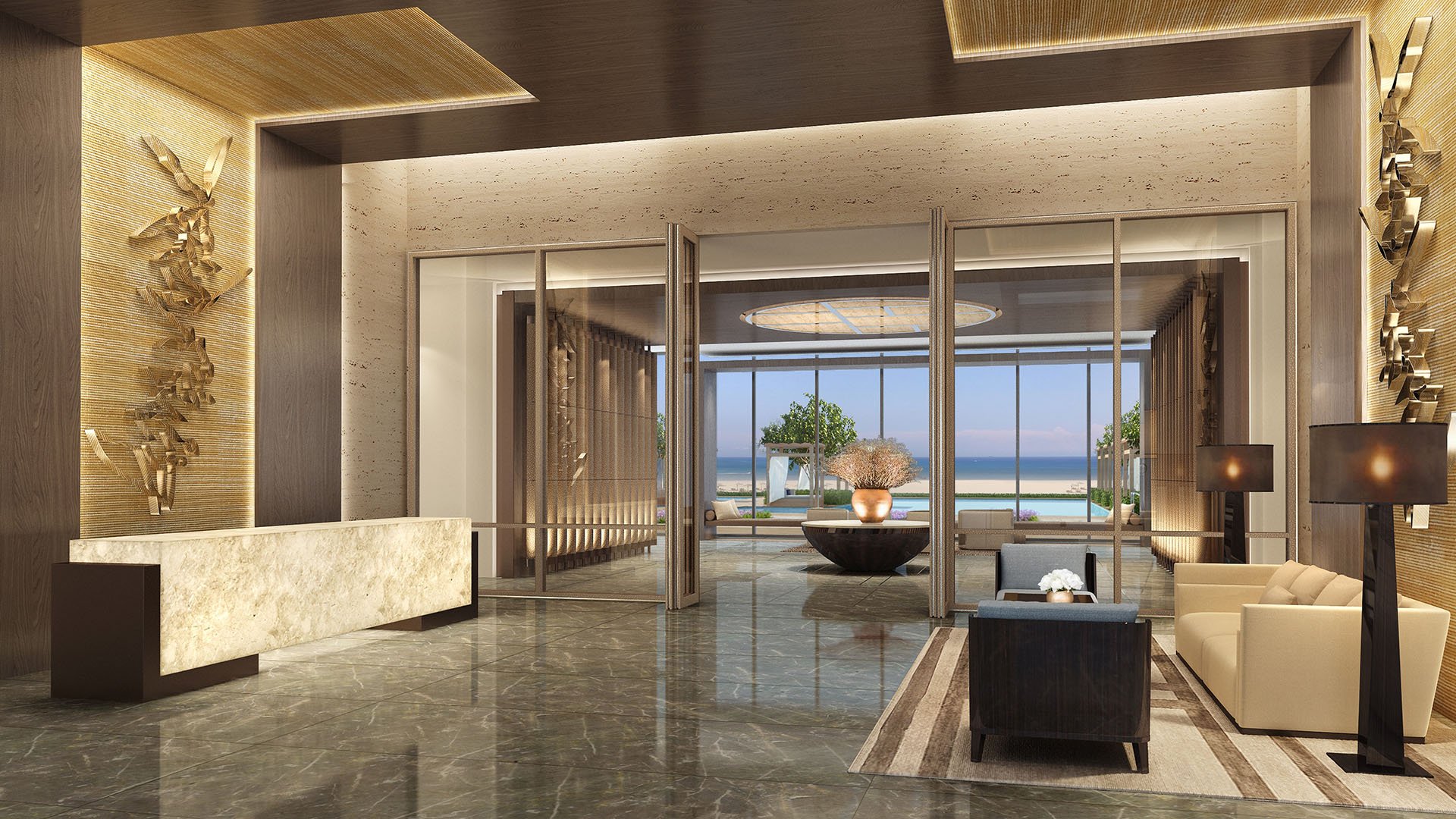
A cooling refuge should be confirmed in writing, not inferred from an amenity description. Ask the association to identify its location, intended capacity, temperature targets, backup-power coverage, and staffing arrangements. Confirm whether residents can reach it after a storm and whether access depends on functioning elevators or other common systems.
The distinction matters for households that need dependable access to a cooled space. Ask whether the refuge, if provided, is intended for brief relief or longer use, and what happens if demand exceeds its planned capacity. A designated space needs an operating protocol, not merely a room name.
For buyers also considering Arte Surfside, use the same written questions rather than assuming that one property's amenity program establishes another's emergency capabilities. Comparison is useful only when each association supplies property-specific answers.
Until residential cooling or a refuge is confirmed, plan alternate accommodation independently. Neither an attractive lounge nor a general reference to emergency power should substitute for a documented cooling arrangement.
Under Florida Statutes §718.1265, condominium boards exercising emergency powers may implement plans that shut down elevators, electricity, water, sewer, security systems, or air conditioners. Based on specified professional or public-agency advice, boards may also determine that portions of the condominium are unavailable for entry or occupancy.
Restored electricity does not itself authorize reoccupancy. Request a written re-entry protocol identifying who authorizes access, how notices are delivered, what identification is required, and whether entry may occur in phases.
Distinguish brief access to retrieve belongings from permission to remain overnight. Ask about elevator availability, access to the particular residence, and conditions for entry before common systems recover. The protocol should explain how residents learn that restrictions have changed, including owners who are away when the storm occurs.
Returning residents should report power outages to Florida Power & Light; Surfside has no jurisdiction over individual utility outages or claims. Keep utility restoration and condominium access separate in the buyer's planning.
Portable generation is not a substitute for verified building infrastructure. In Surfside, portable-generator use is prohibited on roofs, balconies, walkways, stairways, stairwells, and ingress or egress areas. Operation is also prohibited when the exhaust system is within 10 feet of a building opening, including doors and windows.
The town's generator provisions cover permanent and temporary equipment, including permitting, placement, screening, exhaust clearances, and operation. Temporary generators must be outdoors, at least 10 feet from openings or windows, and cannot obstruct ingress, egress, or discharge ways.
For a condominium buyer, the practical conclusion is straightforward: do not build a personal continuity plan around a portable generator on a terrace. Generators, gas grills, and charcoal must not be used indoors. Ask management about authorized arrangements rather than assuming private equipment will be permissible.
Pair the operational review with a financial one. Request insurance deductibles and exclusions, details of pending repairs or assessments, and written clarification of responsibility for drying, mold remediation, temporary cooling, and alternate accommodation. An association's authority to arrange work does not establish who ultimately pays every related expense.
Under Florida law, associations exercising emergency powers may contract for damage-prevention services, including drying units, boarding openings, replacing damaged air-conditioning equipment, and sanitizing condominium property. Ask how such work is authorized, coordinated, and communicated to owners.
For an owner who may be away, clarify arrangements for unit access and contractor coordination. Have the relevant documents reviewed before relying on reimbursement or accommodation assumptions.
A buyer comparing Fendi Château with The Surf Club Four Seasons Surfside should apply the same evidence standard to both: documented emergency loads, a confirmed cooling plan, and a clear re-entry protocol. Brand identity is not a technical specification.
Before closing, assemble the governing and disclosure documents, technical records, emergency procedures, and insurance information for review by appropriate legal, engineering, and insurance advisers. The objective is not to demand uninterrupted comfort under every circumstance. It is to understand the limits, responsibilities, and alternatives before they become urgent.
For a discreet perspective on South Florida ownership and buyer diligence, explore MILLION.
If branded residences are on your mind — as a home or as an allocation — we would be glad to share what we are seeing, privately.
Begin a quiet conversationThe 58-residence condominium is at 9380 Collins Avenue, Surfside, Florida 33154.
Publicly disclosed project information does not establish whether individual residences’ air-conditioning systems receive emergency power. Request written confirmation for the residence being purchased.
No. Unspecified capabilities remain property-specific diligence questions, not proof that equipment or services are absent.
Request generator specifications, fuel-endurance assumptions, maintenance and load-test records, an electrical one-line diagram, and a written load-priority schedule.
No designated, generator-backed cooling refuge is established by the disclosed project information. Ask for written confirmation of location, capacity, cooling targets, power coverage, access, and staffing.
No. An association exercising statutory emergency powers may restrict entry or occupancy on safety grounds even after electricity returns.
It should identify who authorizes entry, notification methods, identification requirements, phased access, elevator availability, and conditions for entering units before common systems recover.
Surfside's emergency-management rules prohibit portable-generator use on balconies, roofs, and specified circulation and access areas. Generators must not be used indoors.
Review insurance deductibles and exclusions, pending repairs or assessments, and responsibility for drying, mold remediation, temporary cooling, and alternate accommodation.
Report outages to Florida Power & Light. Surfside has no jurisdiction over individual utility outages or claims, and utility restoration does not authorize condominium re-entry.