For buyers who expect to entertain at Shorecrest Flagler Drive West Palm Beach, the usefulness of shared amenity spaces will depend on the building’s governing documents and operating procedures. Reservation timing, guest access, costs, vendor requirements, event limits, and enforcement should be reviewed before purchase.
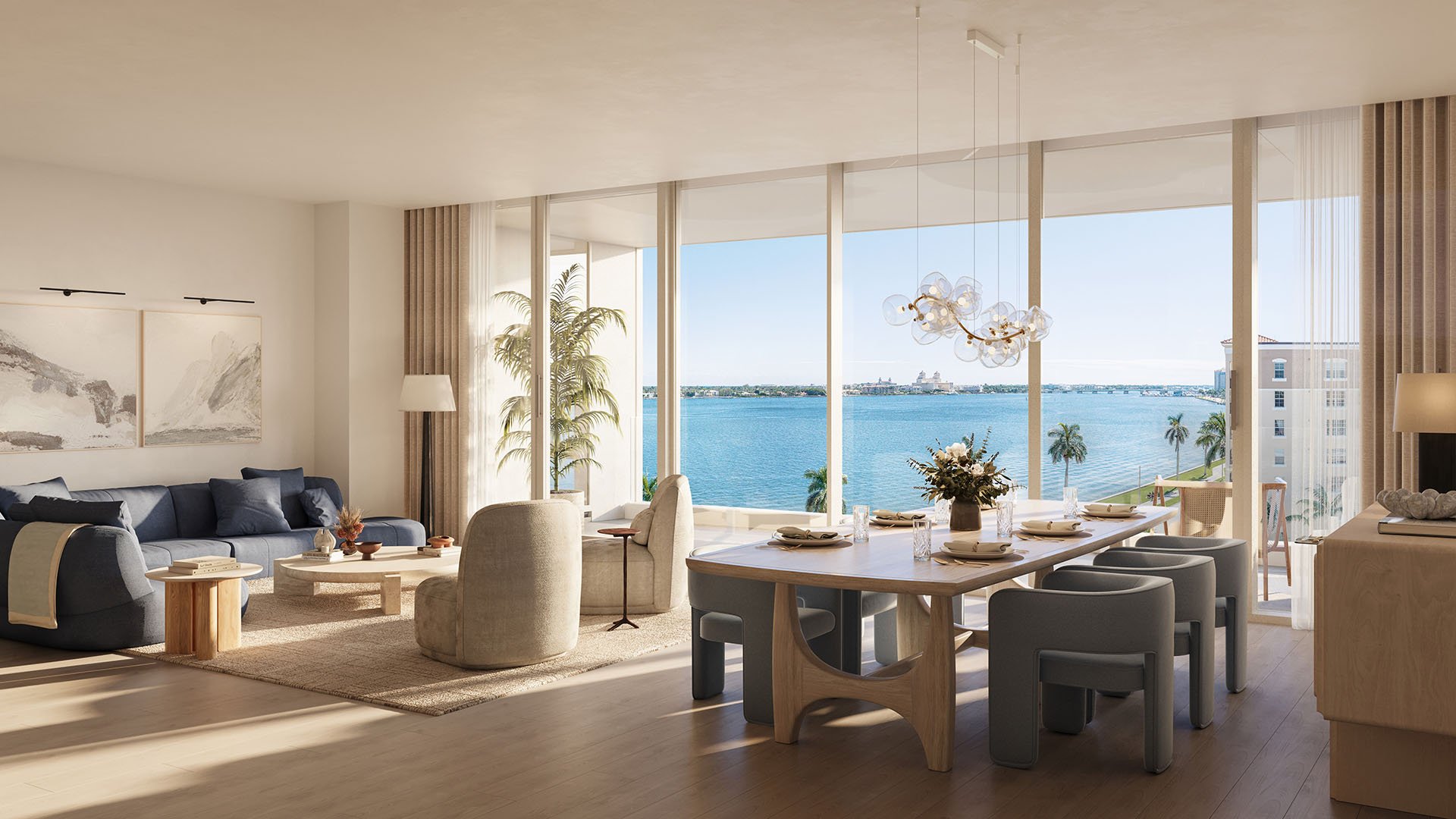
Buyers considering Shorecrest Flagler Drive West Palm Beach may place substantial value on the ability to host family, friends, or professional guests. When shared amenity spaces form part of that plan, visual appeal is only one element of the purchase analysis.
Practical value depends on the rules that control access. A space suited to a private dinner may be less useful if preferred dates are difficult to secure, the guest allowance is too limited, or setup requirements conflict with the owner’s plans. Buyers should therefore evaluate how the operating framework fits their actual entertaining habits.
The governing documents and applicable reservation materials should explain who may book a shared space, how requests are submitted, how far ahead reservations may be made, and whether priority rules apply. Buyers should also determine whether procedures differ for weekends, holidays, or periods of high demand.
Costs require separate attention. Relevant documents may address reservation charges, deposits, cleaning costs, cancellation terms, damage responsibility, or other event-related expenses. A buyer should identify which amounts are fixed, which may vary, and whether the association can revise them.
Guest rules can be equally consequential. The review should cover attendance limits, registration procedures, access controls, event duration, quiet hours, alcohol restrictions, and any conditions on exclusive use. The goal is to understand the distinction between ordinary resident access and a private gathering.
Owners who expect to use caterers, chefs, florists, musicians, rental providers, or other vendors should confirm whether advance approval is required. Insurance, licensing, access credentials, delivery schedules, elevator reservations, and supervision requirements can affect both feasibility and cost.
Setup and cleanup responsibilities should also be clear. Buyers can ask when vendors may enter, where deliveries are received, how waste must be removed, and who is accountable for restoring a shared space. Any assistance from building staff should be distinguished from the owner’s obligations under the governing rules.
A buyer’s West Palm Beach shortlist may also include Forté on Flagler West Palm Beach, The Ritz-Carlton Residences® West Palm Beach, and Alba West Palm Beach. These project pages can help organize a residential comparison, but buyers should obtain and evaluate the applicable documents for each property independently.
The most useful comparison focuses on repeatable access rather than the number of spaces shown in marketing materials. Clear booking procedures, workable event limits, transparent costs, and practical vendor access may matter more to an active host than a longer amenity list.
Association authority also deserves attention. Buyers should identify which rules may be amended, how changes are adopted, and whether management has discretion over approvals or enforcement. This helps distinguish the current framework from provisions that could evolve.
An owner planning small dinners may prioritize food-service logistics, privacy, and straightforward cleanup. Someone expecting larger gatherings may focus on attendance limits, duration, noise controls, security, and exclusive-use provisions. Buyers who value spontaneity should pay particular attention to advance-booking windows and cancellation procedures.
Restrictions are not necessarily a drawback. Well-defined rules can protect residents, staff, and common property while creating predictable expectations. The central question is whether those rules support the buyer’s intended use without introducing unacceptable cost, delay, or uncertainty.
Before committing, buyers should review the final documents available to them, direct unresolved questions to appropriate professional advisers, and avoid relying on assumptions about future access. Written terms provide a stronger basis for a purchase decision than informal expectations.
Why do amenity reservation rules matter to Shorecrest buyers who entertain? They can determine whether shared spaces are available on suitable dates and under workable conditions.
Which documents should a buyer review? Review the governing documents, current rules and regulations, applicable budget materials, and any written reservation procedures provided for the property.
What booking details deserve attention? Check advance-reservation windows, request procedures, priority provisions, time limits, and rules for weekends or holidays.
What event-related costs should buyers investigate? Look for reservation charges, deposits, cleaning costs, cancellation terms, and responsibility for damage or additional services.
Which guest restrictions can affect a gathering? Attendance limits, registration requirements, access controls, quiet hours, event duration, and exclusive-use conditions can all matter.
Can an owner bring in an outside caterer or other vendor? That depends on the applicable rules. Buyers should confirm approval, insurance, credential, delivery, and supervision requirements before relying on outside vendors.
Does staff assistance override association rules? Buyers should not assume that operational assistance changes governing restrictions or guarantees approval or availability.
How should buyers compare amenity programs across properties? Compare booking reliability, costs, guest policies, vendor access, owner responsibilities, and the authority to change the rules.
Can amenity operating rules change after purchase? Rules may be subject to amendment under the governing documents, so buyers should examine amendment authority and procedures.
What is the best way to assess whether the rules fit a buyer’s lifestyle? Map anticipated gathering size, frequency, timing, service needs, and privacy expectations against the written operating framework.
For a discreet conversation and a curated building-by-building shortlist, connect with MILLION.
If branded residences are on your mind — as a home or as an allocation — we would be glad to share what we are seeing, privately.
Begin a quiet conversation