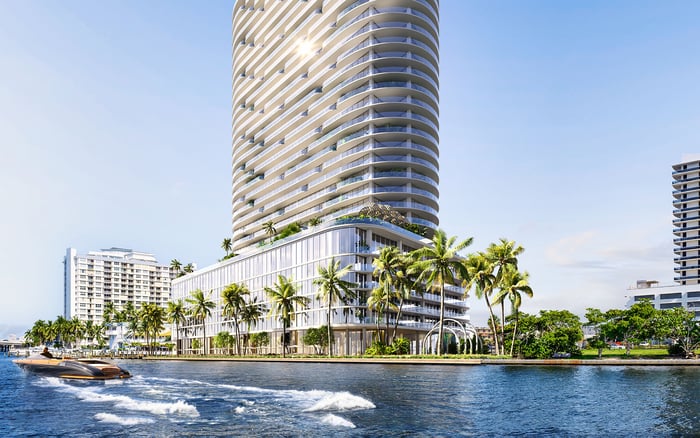
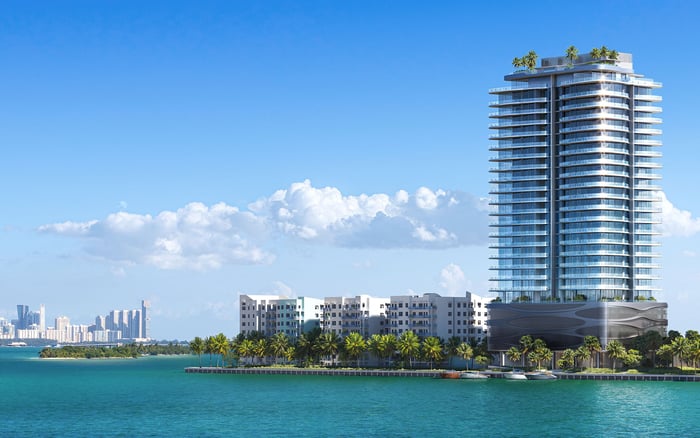
Alana’s February 2025 TCO followed a marketed Q4 2024 delivery window. Buyers should align financing, temporary housing, insurance, and movers with a unit-specific closing appointment rather than a broad project estimate.
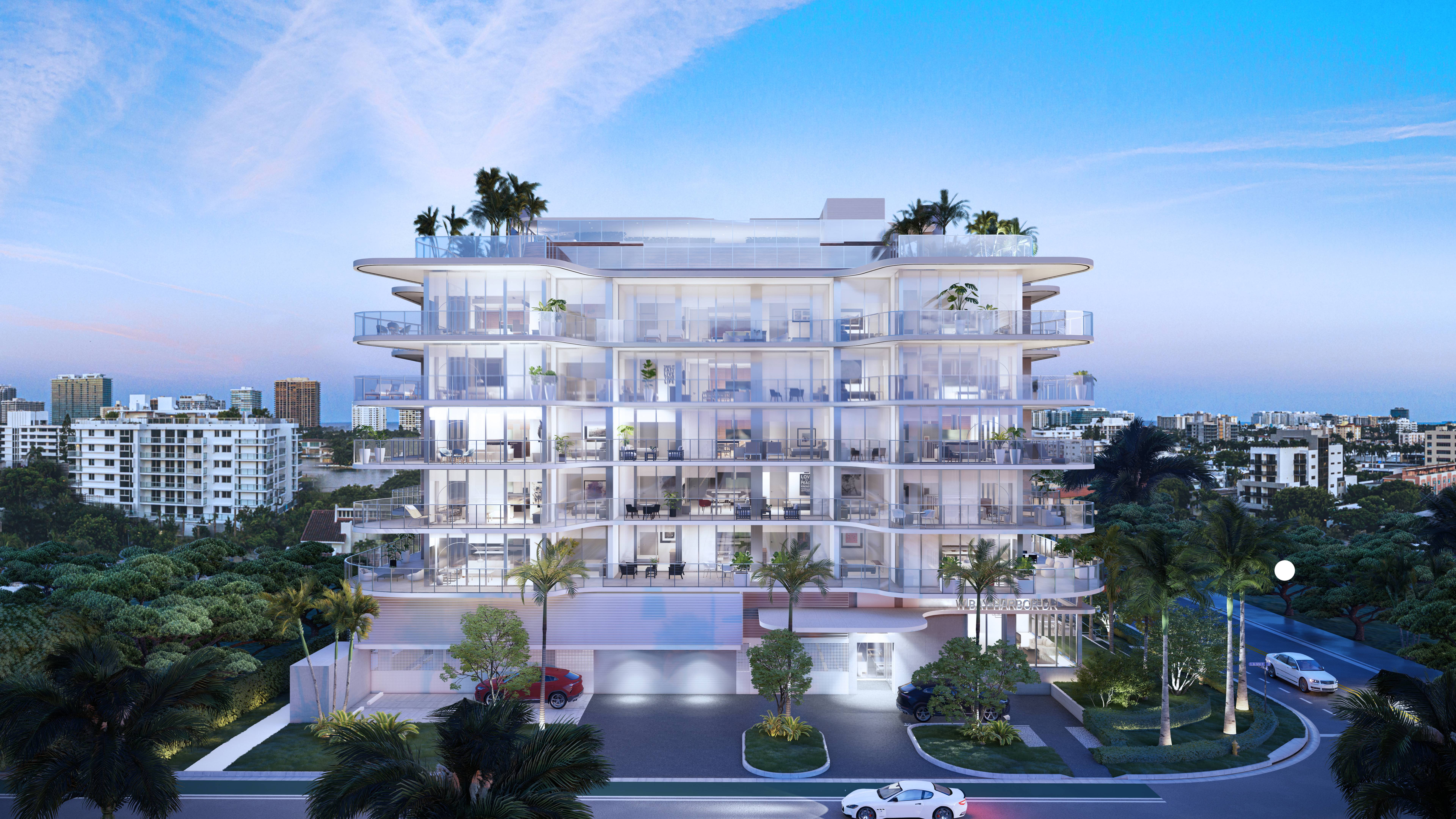
At Alana Bay Harbor Islands, the distinction between projected delivery and actual occupancy readiness is central to closing plans. Delivery was projected for the fourth quarter of 2024. The condominium received its Temporary Certificate of Occupancy, or TCO, on February 6, 2025, enabling the property to enter its occupancy phase. Later “Move In Today” positioning indicated that only a few residences remained.
That sequence establishes a shift between the estimated delivery window and occupancy readiness. It does not mean every purchaser experienced the same delay, financing consequence, or move-in date. Each buyer’s position depends on the purchase agreement, lender terms, closing notice, unit clearance, and building procedures.
The seven-story boutique condominium at 9901 W Bay Harbor Drive contains 30 residences, with a limited number of homes per floor. Most have two or three bedrooms and span approximately 1,229 to 1,662 square feet. Its scale may make the closing and moving roster more manageable than that of a large tower, but it does not eliminate the need for precise scheduling.
A projected delivery date is not a substitute for a unit-specific closing appointment.
A mortgage rate lock applies for an agreed period, not indefinitely. If closing moves beyond that period, a buyer may need an extension, a new lock, or another lender-approved solution. The financial effect can vary by lender, loan structure, market conditions, and the reason for the extension.
Individual Alana buyers’ rate-lock terms, extension charges, underwriting conditions, and outcomes are not disclosed. It would therefore be inaccurate to conclude that every purchaser lost a favorable rate. The narrower, supportable point is that a closing organized around a fourth-quarter 2024 expectation could have fallen outside a lock calibrated to that timeline.
Buyers should ask their lender to specify the lock expiration date, extension options, daily or flat extension costs, and any conditions for re-underwriting. They should also confirm whether updated bank statements, income documentation, appraisals, insurance evidence, or condominium documents are required. These questions are best resolved before a formal closing notice compresses the decision window.
Liquidity deserves equal attention. A delayed closing can alter the timing of deposit funds, loan proceeds, taxes, insurance premiums, furnishing invoices, and carrying costs for another residence. A current cash schedule is more useful than a budget tied to an outdated preconstruction figure or legacy asking price.
Temporary housing should bridge a verified gap, not create another inflexible obligation. Until a buyer has a firm closing appointment and unit-specific occupancy clearance, cancellable or extendable accommodations are generally the more resilient choice. The arrangement may be less glamorous than a fixed seasonal commitment, but flexibility has tangible value while dates remain fluid.
Owners selling or vacating another home should coordinate possession dates carefully. Where possible, avoid tying lease termination, household staff changes, vehicle transport, school routines, and furniture delivery to the same unconfirmed day. A short overlap can be preferable to an emergency extension, particularly for a furnished household or a second-home owner arriving from another state or country.
Buyers comparing Alana with nearby Onda Bay Harbor and The Well Bay Harbor Islands should assess timing project by project. New-construction labels, completion years, TCO status, final completion, and actual closing activity can represent different milestones.
A successful move requires both a completed purchase and authorization to occupy the specific residence. Before releasing movers, buyers should verify the closing appointment, unit clearance, building move-in rules, elevator reservation, permitted hours, insurance certificates, loading access, and any protective requirements for common areas.
Alana’s 30-residence format means fewer households must ultimately be coordinated than in a high-density condominium. Even so, a concentrated wave of closings can create competition for elevator and delivery windows. Furniture installers, art handlers, audiovisual teams, window-treatment specialists, and storage providers should receive the same confirmed schedule. Contracts with refundable deposits or practical rescheduling provisions can preserve flexibility.
The phrase “Move-In Ready” should also be read precisely. It can signal that a project has entered occupancy and that sales are active, but it does not replace confirmation of a buyer’s closing package or residence-specific access. Buyers should ask building management which work may occur before occupancy, what vendor documentation is required, and whether deliveries can be staged after closing.
Purchasers considering other intimate waterfront offerings, such as La Maré Bay Harbor Islands, or looking toward The Delmore Surfside should apply the same discipline. Surfside and Bay Harbor Islands may appeal to a similar luxury buyer, yet every contract and building has distinct notice provisions and operating rules.
Alana has appeared with inconsistent completion years, including 2025 and 2026. An April 20, 2026 completion date has also appeared alongside a characterization of the condominium as being in a post-TCO closing and move-in phase. These discrepancies may reflect distinctions among TCO, final completion, closings, move-ins, and differing conventions. They do not, by themselves, confirm a second formal delay.
Legacy figures can be more misleading. Earlier information continued to show 2024 delivery and pricing from $761,900, while more recent asking prices began at approximately $1.295 million. Availability and pricing can change, so neither historic figure should anchor a current closing budget without direct verification.
Sophisticated buyers therefore separate four questions: Is the building authorized for occupancy? Is the individual residence cleared? Has the buyer received a valid closing notice? Has management approved the move? A broad completion year cannot answer all four.
Counsel should review the contractual outside date, closing-notice period, default provisions, financing contingency, and any remedies or extensions. The lender should confirm the rate lock, underwriting refresh, appraisal status, condominium approval, cash-to-close estimate, and wire procedures. Building management should confirm final CO status where relevant, residence clearance, insurance requirements, elevator booking, vendor access, and move-in documentation.
The buyer’s practical plan should include a flexible housing end date, reschedulable movers, secure storage, utility activation, property insurance, and a staged furnishing sequence. Funds and identity-verification contacts should remain organized, and wiring instructions should be independently confirmed through a trusted channel before money is sent.
Alana’s February 2025 TCO is a meaningful, documented milestone, and the later “Move In Today” positioning indicates that the property has entered its occupancy era. For an individual purchaser, however, confidence comes from synchronized documents and appointments, not a general slogan. The most elegant closing is one in which financing, housing, and logistics all follow the same verified date.
For discreet guidance on South Florida luxury residences and closing strategy, connect with MILLION.
If branded residences are on your mind — as a home or as an allocation — we would be glad to share what we are seeing, privately.
Begin a quiet conversationAlana received its Temporary Certificate of Occupancy on February 6, 2025, enabling the project to enter its occupancy phase.
Construction-era marketing projected delivery in the fourth quarter of 2024, before the February 2025 TCO milestone.
No such conclusion is supported. Individual lock terms and outcomes are not publicly disclosed, though a schedule shift could place an original lock outside its agreed window.
Confirm the expiration date, extension options and costs, re-underwriting conditions, appraisal status, and any updated document requirements.
Temporary housing should remain cancellable or extendable until the buyer has a firm closing appointment and unit-specific occupancy clearance.
A TCO is an important building-level milestone, but buyers should still verify their residence’s clearance, closing status, and management approval.
Confirm elevator reservations, permitted hours, loading access, insurance certificates, vendor rules, and protection requirements for common areas.
The seven-story boutique condominium contains 30 residences, with homes generally offering two or three bedrooms.
Different years may reflect TCO, final completion, closing activity, move-ins, or database conventions rather than a confirmed additional delay.
Counsel should review the outside date, closing-notice period, financing contingency, default provisions, and any available extensions or remedies.