A disciplined framework for translating newly liquid wealth into a Palm Beach residence, with emphasis on market segmentation, property-level underwriting, negotiation, and future resale.

A liquidity event can make purchase price seem like the simplest variable. It is not. The first decision is what the Palm Beach residence must accomplish: serve as a seasonal base, become a long-duration family asset, provide a lower-maintenance alternative to an estate, or preserve flexibility as the owner’s post-transaction plans evolve.
That mandate should shape property type, carrying-cost tolerance, appetite for renovation, and likely holding period. A buyer arriving from The Hamptons may recognize the appeal of scarcity and privacy, but should not assume the two markets reward identical choices. Palm Beach demands its own framework for location, condition, insurance, operating obligations, and buyer-pool depth.
This is also the time to separate lifestyle capital from investment capital. Set a purchase range that remains comfortable after furnishing, improvements, insurance, taxes, applicable association obligations, and reserves. Legal, tax, estate-planning, and insurance advisers should review ownership structure and timing before any contract is signed.
Geographic precision is the central discipline. Palm Beach island, West Palm Beach, and Palm Beach County should be analyzed separately rather than treated as interchangeable labels.
Broad market headlines can obscure differences among neighborhoods, property types, condition levels, and price tiers. A useful review should distinguish estates from condominiums, renovated homes from renovation opportunities, and island properties from residences elsewhere in Palm Beach County.
Market direction alone should not determine the purchase. The relevant question is whether a specific residence offers an appropriate combination of location, condition, ownership obligations, and price basis for the buyer’s mandate.
An estate can provide privacy, land, and autonomy, but may also require greater oversight, staffing, and exposure to capital projects. A condominium can simplify ownership, yet buyers must scrutinize governance, reserves, assessments, renovation rules, service levels, and rental restrictions. Building-level analysis is essential because ownership obligations can vary by property.
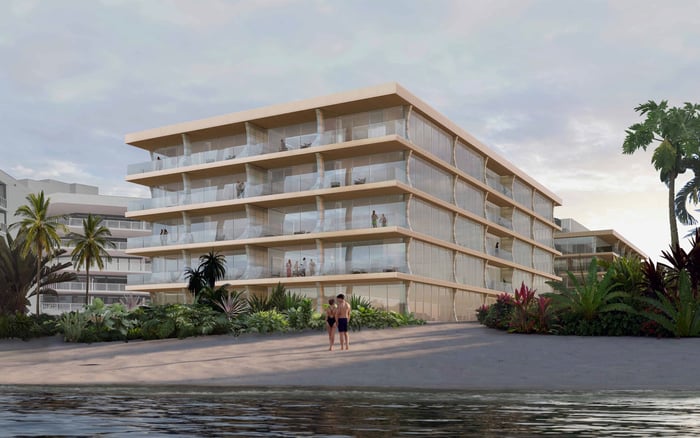
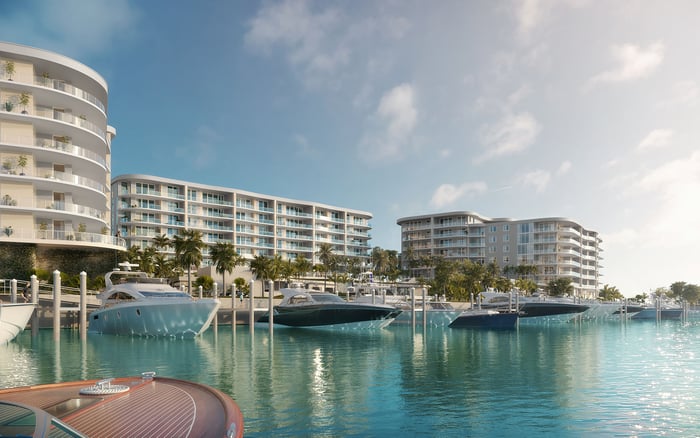
For buyers comparing island ownership with newer residential formats, Palm Beach Residences can be part of the initial review. Across the water, Forté on Flagler West Palm Beach and South Flagler House West Palm Beach provide additional reference points for evaluating condominium ownership in West Palm Beach. Buyers considering a broader geographic radius may also compare The Ritz-Carlton Residences® Palm Beach Gardens.
These are not substitutes for one another. The comparison should make the trade-offs explicit: direct control versus managed ownership, renovation risk versus a more defined acquisition, and island scarcity versus access to a broader range of residential choices.
A rigorous pricing review begins with segmented comparables. Compare estate homes with relevant estate homes, renovated residences with renovated residences, condominiums within the appropriate building and tier, and land-value opportunities with transactions that reflect redevelopment potential.
For each candidate, commission a property-specific operating schedule. It should capture recurring costs, known capital requirements, insurance availability, relevant association obligations, and a realistic maintenance allowance. Waterfront exposure, age, construction, prior improvements, and deferred work all warrant close review. A waterfront designation can enhance desirability, but it does not eliminate technical or financial diligence.
Price condition twice: first as the direct cost of the work, and again as the cost of time, management attention, and uncertainty. A newly liquid buyer may value immediacy more than a nominal discount. Conversely, a dated residence can become compelling when its basis adequately compensates for execution risk.
A broad market narrative does not make every asking price defensible. The negotiating posture should remain specific to the subject property.
Turnkey residences in preferred settings may require a different approach from longer-marketed, dated, less-prime, or operationally complex properties. Days on market matter, but so do price changes, condition, comparable closings, seller timing, and the cost of correcting deficiencies.
A clean offer can carry value without becoming an unprotected offer. Preserve diligence appropriate to the property, set internal decision deadlines, and establish the walk-away price before negotiations become personal.
Resale should shape selection even when the intended hold is long. Favor attributes likely to remain clear to a future buyer: a recognized location, coherent layout, credible condition, manageable ownership obligations, insurability, and a price basis supported by relevant closings.
Second-home utility matters as well. A residence that is elegant but operationally burdensome may be used less than expected. The strongest acquisition is not necessarily the largest or most visibly prestigious. It is the property that aligns lifestyle, stewardship, and future liquidity without requiring the buyer to rely on broad market appreciation.
Should a buyer purchase immediately after a liquidity event? Only if the ownership structure, capital allocation, and residential mandate are clear. Liquidity alone is not a reason to accelerate diligence.
Is Palm Beach a single market for pricing purposes? No. Palm Beach island, West Palm Beach, and Palm Beach County should be evaluated as distinct geographies with different property choices.
Should broad 2026 market headlines determine an offer? No. The offer should reflect relevant comparables, property condition, ownership costs, and the buyer’s objectives.
Why should buyers segment comparable sales? Segmentation helps prevent unlike properties, locations, and condition levels from distorting the pricing analysis.
Should buyers prefer an estate or a condominium? The choice depends on privacy, control, service expectations, renovation tolerance, and willingness to manage recurring obligations.
What comparables are most useful? Prioritize relevant transactions matched by location, property type, condition, scale, and renovation status.
Where may negotiation be more plausible? A property’s marketing history, condition, operational complexity, seller timing, and required improvements can inform the scope for negotiation.
What should property-level underwriting include? Review condition, insurance, recurring expenses, capital needs, association obligations, restrictions, and a realistic maintenance reserve.
How should future liquidity affect the purchase? Consider buyer-pool depth, location, condition, ownership costs, and restrictions before prioritizing size or novelty.
What is the best first step? Write a concise acquisition brief covering use, geography, property type, budget, holding period, and nonnegotiable diligence requirements.
To compare the best-fit options with clarity, connect with MILLION.
If branded residences are on your mind — as a home or as an allocation — we would be glad to share what we are seeing, privately.
Begin a quiet conversation