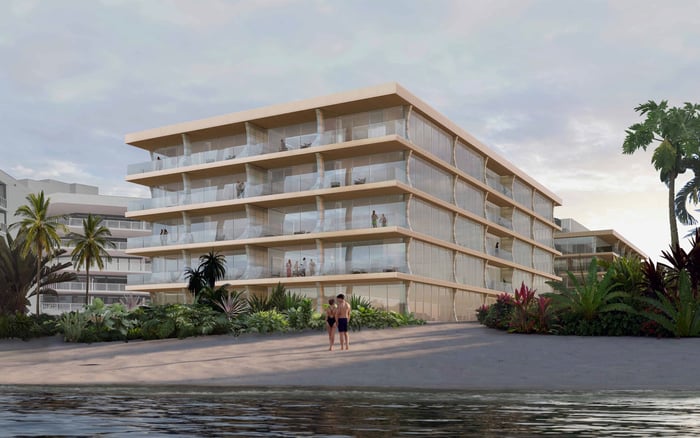
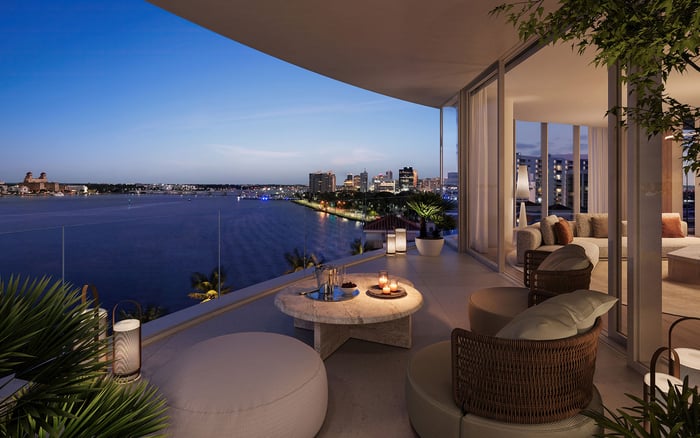
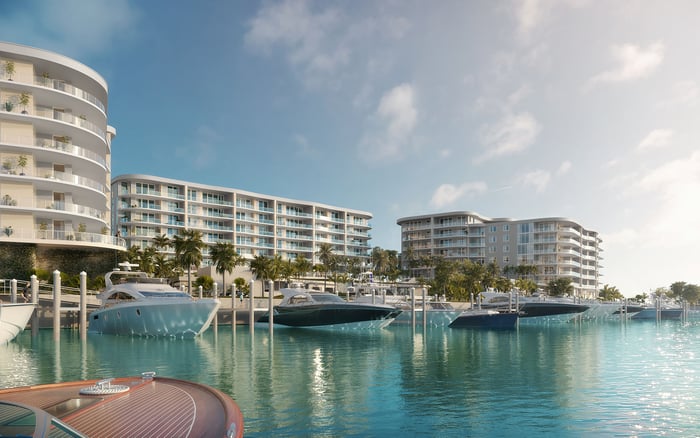
A water view deserves more than an emotional valuation. For buyers considering Palm Beach Residences, unit-specific sightlines, neighboring development rights and partial-obstruction scenarios offer a disciplined way to assess the asking price.
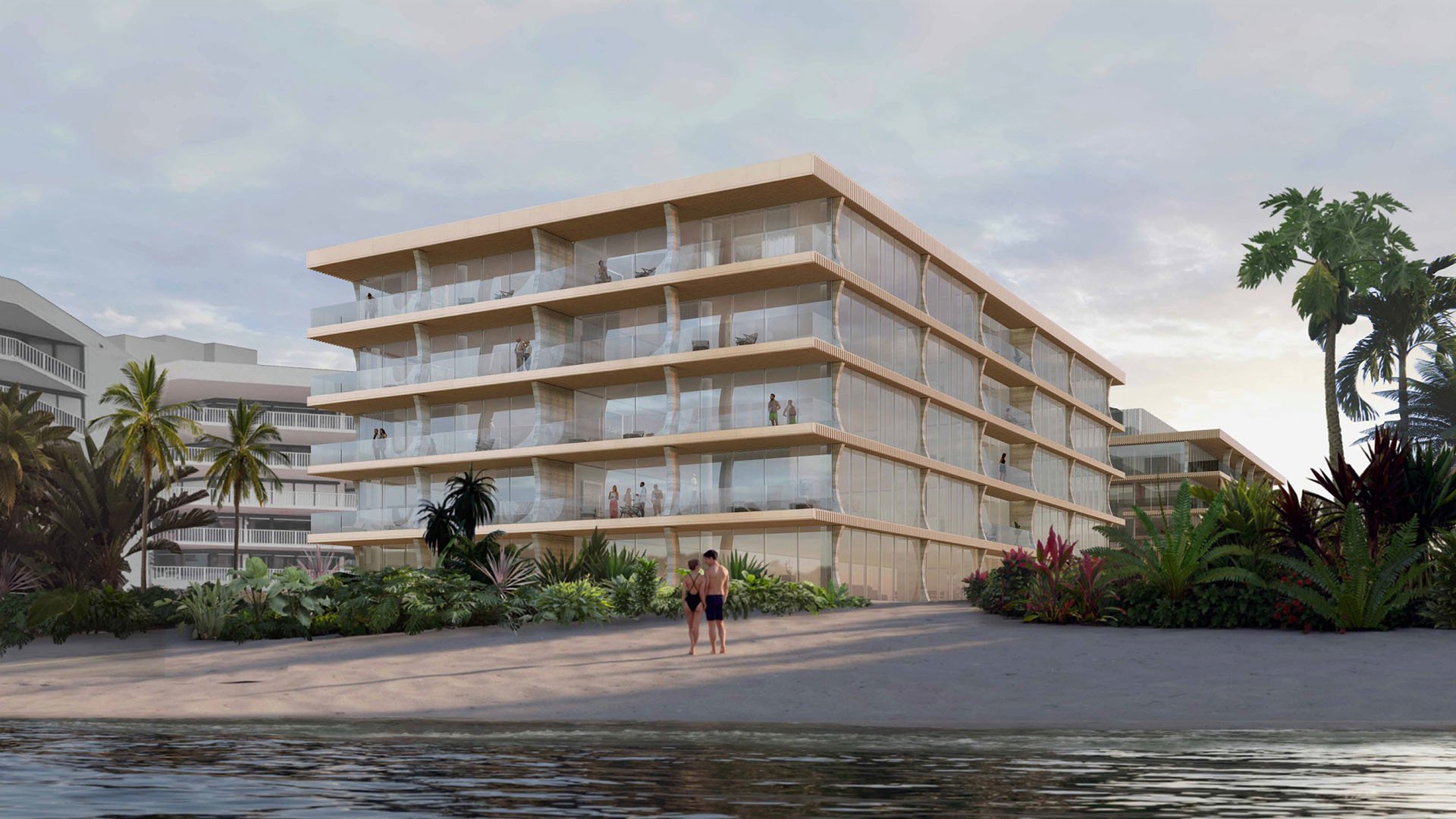
The appeal of a water-facing residence is immediate: light across the living room, a distant horizon and a terrace connected to the landscape. The financial question deserves a slower answer. Before paying a premium for that outlook, distinguish what is visible today from what can reasonably be expected to remain visible throughout ownership.
For a buyer considering Palm Beach Residences, that distinction should guide the purchase review. Establish the exact residence, its orientation and its principal sightlines before assigning value to a broad waterfront description. Regional examples can sharpen the questions, but they cannot establish this project's specifications, pricing or legal view protections.
The objective is not to assume obstruction. It is to ensure that the purchase remains compelling under more than one plausible view scenario. A beautiful outlook can justify a personal premium without being treated as an immutable asset.
When comparing Palm Beach Residences with South Flagler House West Palm Beach, keep descriptions of the outlook separate from evidence of legal protection. Any language promising a permanent or unobstructed view warrants a document-specific follow-up rather than an assumption.
On its own, marketing wording is not proof of a recorded view easement. Equally, the absence of an easement in a sales presentation does not prove that no protection exists. The buyer's attorney should establish what the relevant documents provide.
The same questions belong in a comparison with Forté on Flagler West Palm Beach: which rooms and terrace positions enjoy the desired outlook, and which documents, if any, address its continued availability?
Ask counsel to review the purchase agreement, title materials and any relevant recorded instruments together. Marketing language, physical conditions and enforceable rights should remain separate categories until that review connects them.
A low-rise neighbor is a present condition, not a complete measure of development potential. Before treating its roofline as a lasting boundary, ask what could be built on the parcel and what approvals would be necessary. This is a due-diligence question, not a claim that redevelopment is planned near Palm Beach Residences.
Height alone is an incomplete test. Building width, placement and spacing belong in the same review. A potential structure should be evaluated against the residence's actual viewing angles, not simply its position on a neighborhood map.
Have a qualified planning professional examine parcels that intersect the residence's valued sightlines. Distinguish existing conditions from development permitted under current rules, pending applications and proposals requiring discretionary changes. Do not collapse those categories into a single worst-case silhouette.
Start with the rooms that matter most to the household. A view from the terrace edge is not a substitute for the outlook from the dining table, living-room seating or primary bedroom. Request photography or visualizations tied to the actual unit's elevation and orientation, rather than a generic promotional vantage point.
For a residence not yet available to inspect, ask how each visualization was produced and what neighboring conditions it assumes. Any obstruction study should state its assumptions clearly, especially where a proposed building's dimensions or placement remain unsettled.
If The Ritz-Carlton Residences® Palm Beach Gardens is also on your shortlist, apply the same unit-specific review rather than carrying assumptions from one property to another. Compare the actual outlook and relevant documents independently.
Waterfront access and amenities should be evaluated separately from the legal durability of a residence's view. Likewise, a scarcity claim is not a substitute for a unit-specific assessment.
Do not treat the entire difference between two waterfront asking prices as a measured water-view premium. Consider size, floor level, layout, finishes, outdoor space and amenities alongside the outlook. Ask an appraiser or adviser for the closest available comparisons and a clear explanation of the adjustments.
Then request three valuation scenarios. These are decision tools, not predictions or established market discounts:
The current outlook remains: assess the price against comparable residences while distinguishing the view from other attributes.
A secondary sightline narrows: test the purchase if a lateral vista changes but the principal water outlook remains.
The principal outlook is partly obstructed: reassess the price you would accept if the room or terrace you value most loses part of its view.
Avoid assigning a universal percentage reduction to any scenario. Instead, identify which change would alter your willingness to buy and by how much. The resulting reservation price is a personal decision threshold, not a claim about future resale value.
If a temporary development pause is presented as reassurance during a Palm Beach County purchase, ask counsel or a planning professional to verify it before relying on it. Establish whether the measure is proposed or enacted, which parcels it covers and which types of approvals it affects.
Do not assume that a pause on certain applications prohibits all construction or protects a view throughout ownership. Its current status, duration and applicability belong in the review. A temporary planning measure should not become a permanent assumption in the purchase valuation.
Bring the sightline review, neighboring-parcel analysis and document review into one purchase discussion. Record what supports the current outlook, what remains uncertain and which potential changes would materially affect your enjoyment. Ask the adviser to distinguish legal protection from physical separation and expectations about future development.
The strongest purchase case is one you still endorse once those distinctions are clear. Pay for the pleasure of the view, but commit with a considered understanding of its durability-and of the residence's appeal beyond it.
For a considered approach to your next waterfront purchase, explore MILLION.
If branded residences are on your mind — as a home or as an allocation — we would be glad to share what we are seeing, privately.
Begin a quiet conversationA buyer may value the outlook highly, but any premium should be tested against comparable residences and unit-specific conditions. Regional waterfront asking prices do not establish a measured view premium for this project.
Marketing language alone does not establish a recorded view easement. Counsel should review the relevant title materials, recorded instruments and purchase agreement before drawing a conclusion.
No; comparisons can sharpen due-diligence questions but cannot establish another residence's legal protections. Review the documents and sightlines for the exact unit under consideration.
Its current height does not establish the parcel's development potential. Ask a planning professional to distinguish what is permitted today from proposals requiring further approvals.
Floor level should be tested alongside neighboring building height, width, placement and the unit's orientation. A higher-floor designation alone is not a complete sightline assessment.
Prioritize the outlook from the living-room seating, dining area, primary bedroom and the terrace positions you expect to use. Request imagery tied to the actual unit rather than a generic vantage point.
Compare an unchanged outlook, a narrowed secondary sightline and partial obstruction of the principal outlook. Use those scenarios to test personal willingness to pay, not to predict a universal resale discount.
Do not assume a temporary pause protects an outlook throughout ownership. Have counsel or a planning professional confirm the measure's status, duration, geographic scope and applicability.
Frontage describes a site's relationship to the water, not necessarily the legal protection of each unit's outlook. Scarcity claims and marina amenities should be evaluated separately from sightline durability.
Use a real-estate attorney for the relevant documents, a qualified planning professional for neighboring development potential and an appraiser or adviser for valuation comparisons. Their conclusions should distinguish established conditions from hypothetical scenarios.