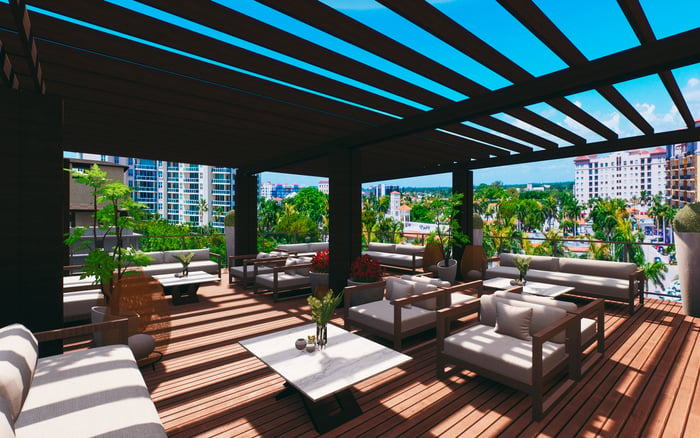
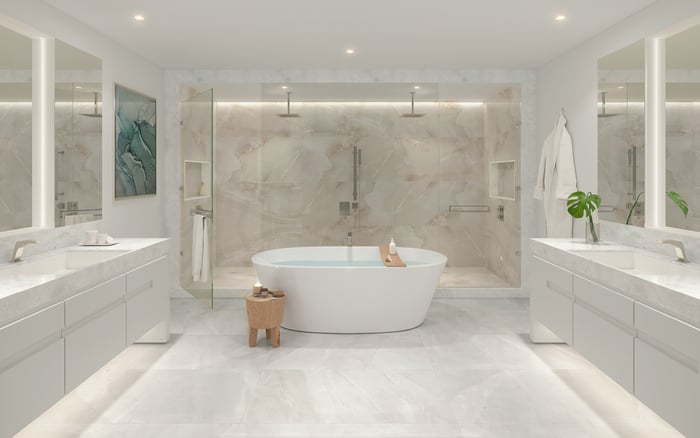
For family buyers in Boca Raton, wellness is less about the longest amenity list than daily usability, age-appropriate programming and reliable access to established medical providers.
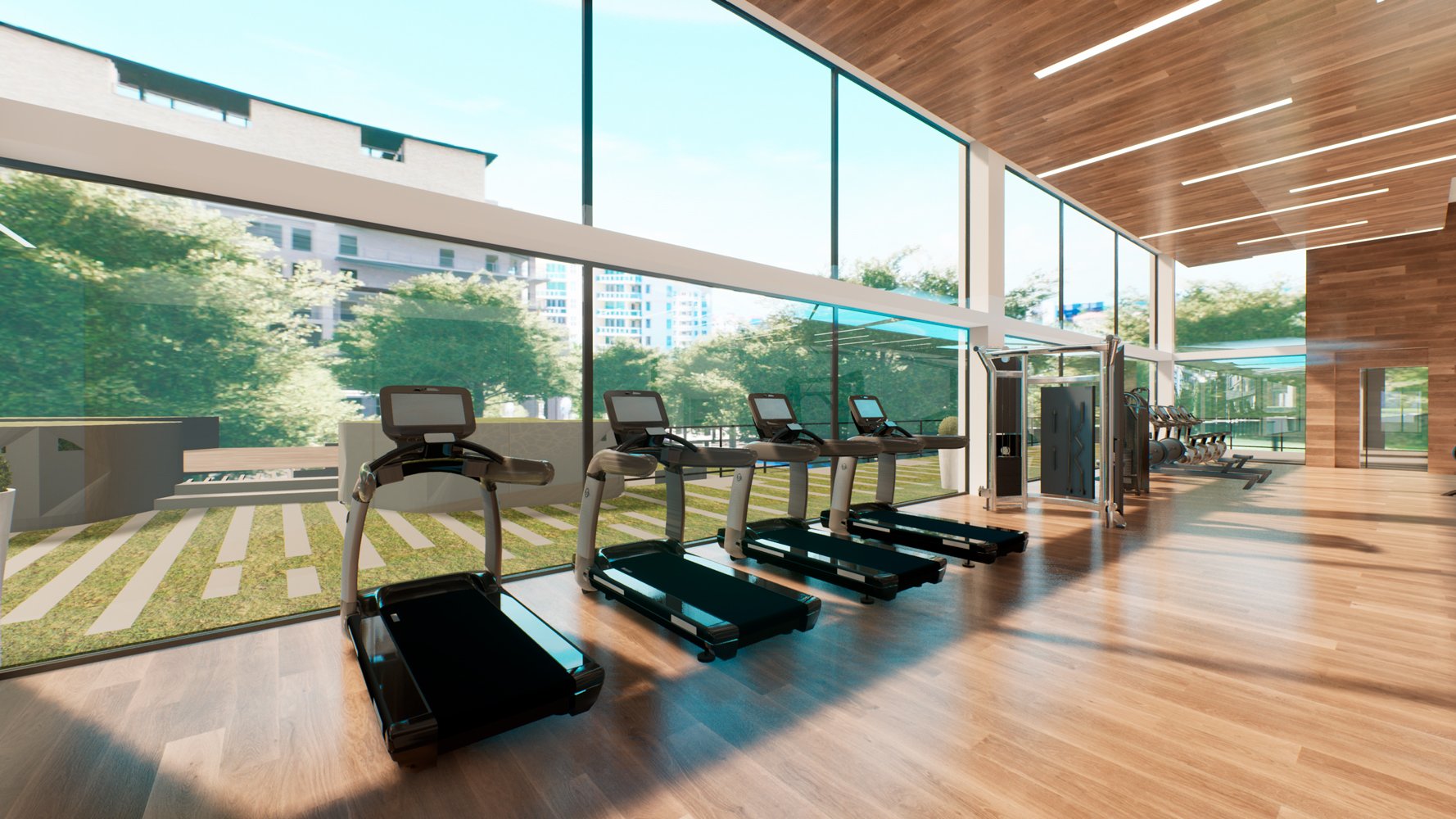
For a family buyer in Boca Raton, the decisive question is not how impressive an amenity program appears during a tour. It is whether the available spaces, schedules and rules will support the household’s actual week.
Parents, teenagers and younger children may have different priorities. Medical proximity belongs in the same assessment because recurring appointments, urgent needs and established provider relationships can influence daily convenience.
Lifestyle value is best considered as a system: useful amenities at home, practical operating rules and manageable routes to the care providers a family trusts.
Assign every important amenity to a likely user and a realistic time slot. Consider who would use a fitness room, pool, spa, court, outdoor area or social space, then estimate how often that use would occur.
Operating details can matter as much as design. Ask whether opening hours fit around school and work, whether reservations are required and whether age restrictions affect access.
When reviewing Mr. C Residences Boca Raton, evaluate the current amenity plan against each family member’s preferred routine rather than relying on the length of the offering.
Mixed-age households may benefit from a layout that allows quiet recovery, active recreation and children’s activities to occur without unnecessary conflict. The goal is not simply to find more spaces, but to determine whether those spaces can serve different residents at practical times.
Buyers considering Alina Residences Boca Raton should review current plans and governing documents, confirming which amenities are available, who may use them and when.
The same review should address supervision expectations, guest access and whether heavily used areas could affect privacy or noise. A family should leave the process understanding how the property would function on an ordinary weekday, not only during a scheduled presentation.
Distance on a map is only an initial filter. Families can identify the pediatrician, primary-care physician, urgent-care option, emergency department and recurring specialists that matter to them, then assess the relevant routes during the periods they are most likely to travel.
Measure the full trip rather than mileage alone. Account for the time needed to leave the property, pass through access controls, reach a main road, park and enter the destination. If adults share care responsibilities, routes from school and work may be relevant alongside the route from home.
Medical priorities differ by household. A family with recurring specialist visits may value consistency, while another may focus on practical access for routine and urgent needs. The aim is to identify the Boca Raton residence that creates the least friction for the family’s existing care network.
For options such as Glass House Boca Raton and The Residences at Mandarin Oriental Boca Raton, begin route testing at the precise property entrance. Apply the same entrance-specific method to every other residence under consideration.
Request a written operating profile for every amenity the family expects to use. Confirm hours, staffing, age restrictions, reservation windows, cancellation rules, guest privileges, additional fees and whether facilities are resident-exclusive or shared.
Ask how maintenance, private programming and seasonal demand may affect access. A visually appealing space may have limited practical value if its schedule, rules or layout do not support the family’s intended use.
For a property that is not yet complete, distinguish available amenities from planned ones and review current documents. At an existing residence, visit at relevant times and observe how shared spaces function. In either case, operating rules can shape the ownership experience as much as design.
Some families prefer a broad communal amenity program, while others value wellness features within the residence. Private facilities may offer greater schedule control and discretion, but they also place maintenance and replacement responsibilities on the owner.
Shared amenities may provide variety and opportunities for social activity, though access depends on community rules. The right balance depends on expected frequency of use, desired privacy and the household’s willingness to manage private equipment or spaces.
Create a scorecard for the residences under serious consideration. Grade wellness according to likely use, operating convenience, privacy and suitability for each age group. Separately, assess medical access using observed travel time, route consistency and compatibility with established providers.
A smaller but practical amenity program may be more valuable to one family than a broader program that is difficult to access. A somewhat longer medical route may also remain acceptable if the trip is predictable. The strongest choice is the one that reduces friction across recreation, wellness and care.
What is the first wellness question a family should ask? Identify which amenities each household member is likely to use and when that use would occur.
Is a larger spa automatically more valuable? No. Practical value depends on factors such as hours, staffing, booking access, age rules and fees.
Why should buyers test medical routes in person? A map may not reflect access controls, congestion, parking or the full trip from the property entrance.
Which medical destinations should families consider? Consider the providers and facilities relevant to the household, including routine, urgent and recurring care.
When should medical travel times be tested? Test routes during the periods when the family would realistically need to travel, including busy weekday windows where relevant.
What should a mixed-age household look for? Look for spaces and schedules that can accommodate adults, teenagers and younger children without unnecessary conflict.
Why do amenity hours matter? An amenity is only useful if its operating schedule aligns with the household’s school, work and family routines.
What should buyers verify for a property that is not complete? Distinguish currently available amenities from planned ones and confirm the latest details in current property documents.
Are private wellness spaces better than shared amenities? Private spaces may offer control and privacy, while shared facilities may provide more variety without direct household management.
How should a family make the final decision? Compare expected amenity use with tested medical access, then prioritize the residence that best supports everyday routines.
For a confidential assessment and a building-by-building shortlist, connect with MILLION.
If branded residences are on your mind — as a home or as an allocation — we would be glad to share what we are seeing, privately.
Begin a quiet conversation