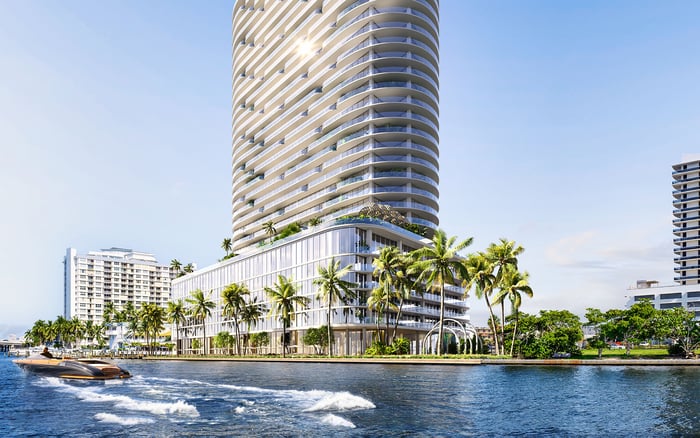
A disciplined framework for Manhattan buyers evaluating a Bay Harbor Islands residence in 2026, centered on intended use, property-level diligence, contract review, carrying obligations, and retained liquidity.
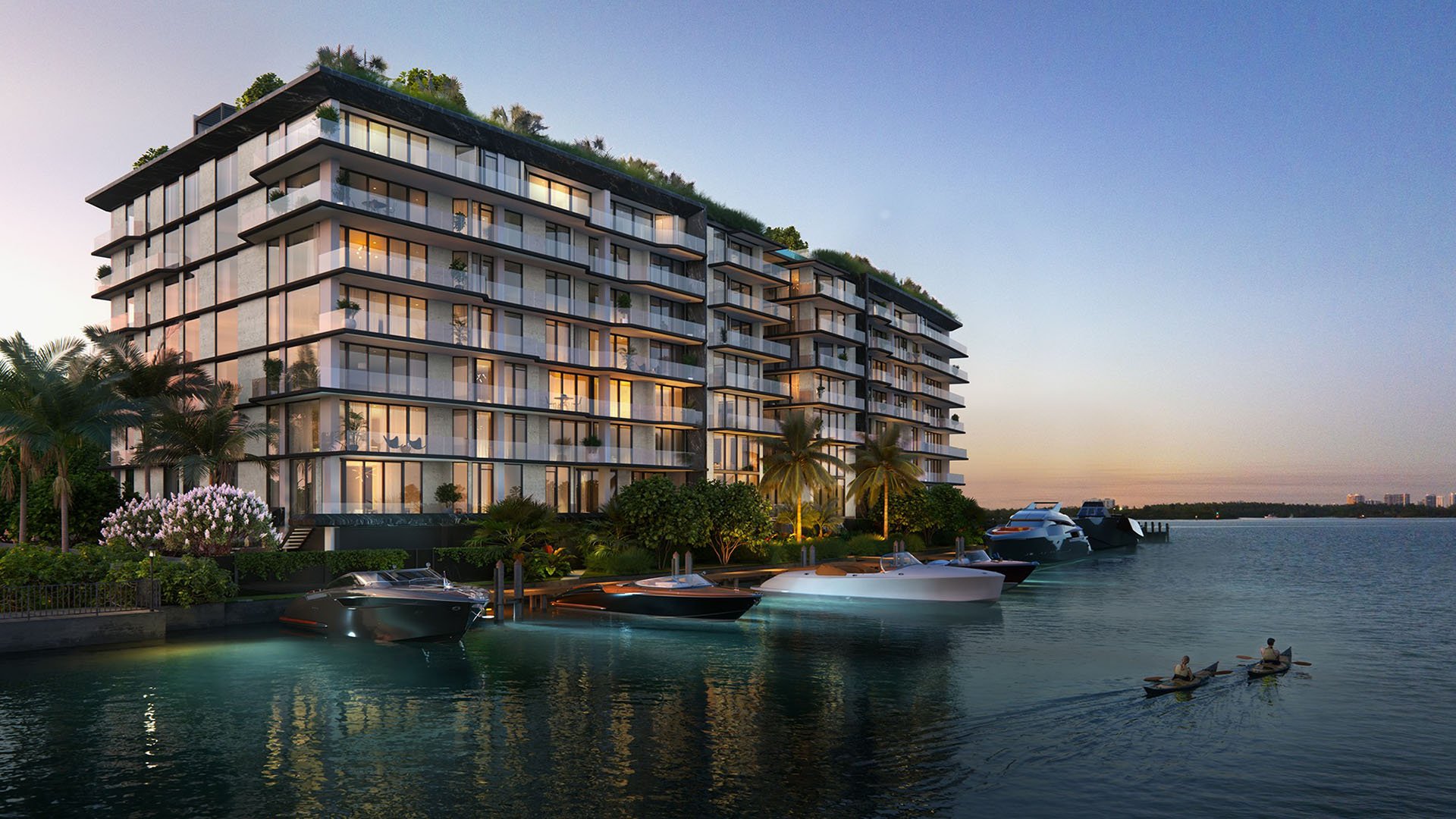
Newly available capital can create pressure to act quickly, but a Bay Harbor Islands purchase should begin with a clear residential mandate. Decide whether the property will serve as a primary home, second home, or occasional base, then define the preferred closing window, interior scale, outdoor-space needs, privacy expectations, parking requirements, and tolerance for construction uncertainty.
The budget should account for more than the purchase price. Buyers should consider closing expenses, furnishing, insurance, taxes, association obligations, maintenance, and an appropriate liquidity reserve. The objective is not simply to deploy capital; it is to select a residence that remains comfortable to own as personal plans evolve.
Avoid treating every Bay Harbor Islands option as interchangeable. Compare each residence by usable interior space, layout efficiency, terrace utility, natural light, exposure, privacy, parking, storage, and the relationship to the water. A compelling headline price cannot compensate for a floor plan or ownership structure that conflicts with daily routines.
Water-related value also requires precise analysis. Ask whether a residence has direct frontage, a protected outlook, marina or dock access, a partial view, or only proximity to the water. Buyers should also investigate whether future development or surrounding conditions could affect privacy and sightlines.
A focused shortlist can include Bay Harbor Towers, 9900 West Bay Harbor Islands, La Maré Bay Harbor Islands, and Alana Bay Harbor Islands. Their inclusion should begin the comparison rather than predetermine the result; current availability, specifications, documents, and terms require direct verification.
A completed residence and a property under construction present different questions. For completed inventory, examine the actual unit, common areas, building condition, financial disclosures, pending obligations, and association records. For a construction purchase, focus on the deposit schedule, completion provisions, permitted changes, closing conditions, remedies, and the consequences of delay.
Marketing materials should not substitute for governing or contractual documents. Qualified Florida counsel should review the purchase agreement and relevant disclosures, while appropriate property, insurance, tax, and financial professionals should address matters within their disciplines.
Create a side-by-side worksheet for every finalist. Include the purchase price, expected closing expenses, furnishing allowance, recurring building charges, taxes, insurance, parking, storage, and any known assessments or capital obligations disclosed during diligence. Use the same assumptions for each property so the comparison remains consistent.
The analysis should also preserve flexibility. A buyer whose circumstances may change should examine resale considerations, transfer restrictions, leasing provisions, and the practical consequences of an extended holding period. No projected rental or resale outcome should be treated as certain.
Leasing flexibility is a document-based question, not a marketing assumption. Review the declaration, bylaws, rules, application procedures, approval requirements, and current association disclosures before assigning value to potential rental use.
The same discipline applies to pets, renovations, guests, vehicle policies, move procedures, and access to amenities or waterfront facilities. If a feature is important to the purchase decision, obtain confirmation through the controlling documents and current written disclosures.
Once diligence is complete, revisit the finalists at different times when possible and test each layout against ordinary routines. Consider arrival, work-from-home needs, entertaining, storage, outdoor use, privacy, and extended stays. The strongest choice is the residence whose design, timing, ownership framework, and capital demands remain aligned after the initial excitement has faded.
What should a buyer decide before touring Bay Harbor Islands residences? Define the property's intended use, preferred timing, space requirements, privacy expectations, and acceptable ownership obligations.
Should the budget extend beyond the purchase price? Yes. The analysis should also consider closing, furnishing, taxes, insurance, association charges, maintenance, and retained liquidity.
How should buyers compare waterfront positioning? Distinguish direct frontage, protected views, marina or dock access, partial views, and simple proximity to the water.
Is price per square foot enough to compare residences? No. Layout efficiency, terraces, exposure, privacy, parking, storage, and ownership costs also influence practical value.
What requires review in a construction contract? Counsel should examine deposits, completion provisions, permitted changes, closing conditions, delay language, and available remedies.
What should buyers inspect in a completed building? Review the residence, common areas, building condition, financial disclosures, association records, and disclosed obligations.
Can marketing materials confirm leasing rights? No. Leasing terms should be verified through governing documents, current rules, and applicable written disclosures.
Why should buyers retain liquidity after closing? A reserve can support furnishing, carrying expenses, unexpected obligations, and changes in personal timing.
Who should assist with due diligence? Buyers should engage qualified legal, property, insurance, tax, and financial professionals for issues within their respective fields.
What makes a final choice decision-ready? A consistent comparison of lifestyle fit, documents, timing, total ownership basis, and risk helps reveal which residence best supports the buyer's plans.
If you'd like a private walkthrough and a curated shortlist, connect with MILLION.
If branded residences are on your mind — as a home or as an allocation — we would be glad to share what we are seeing, privately.
Begin a quiet conversation